THE ADVENTURE COLLECTIVE® · Independent discovery and booking for outdoor travel

Explore Chefchaouen’s blue streets with a local guide on a focused three-hour private walk—visit Outa el Hammam, the Kasbah, and Ras El Ma while learning regional history and practical local tips.
Explore Chefchaouen’s blue streets with a local guide on a focused three-hour private walk—visit Outa el Hammam, the Kasbah, and Ras El Ma while learning regional history and practical local tips.
You step off Outa el Hammam and the alleys press close—walls washed in cool pigments of blue, doorways layered with weather and handprints. Baba leads the way through narrow streets where light slices between buildings and local life continues unhurried: a vendor cleaning mint, laundry flapping, and the soft rush of water at Ras El Ma daring you to pause.
Verified experiences and guided adventures in the surrounding area.
Operated by BABA · Chefchaouen, Tanger-Tetouan-Al Hoceima
You step off Outa el Hammam and the alleys press close—walls washed in cool pigments of blue, doorways layered with weather and handprints. Baba leads the way through narrow streets where light slices between buildings and local life continues unhurried: a vendor cleaning mint, laundry flapping, and the soft rush of water at Ras El Ma daring you to pause.
Chefchaouen began as a mountain stronghold in the 15th century and evolved with Andalusian refugees and local Amazigh traditions; the Rif Mountains around it are folded sedimentary rock that channels runoff into stepped springs and the river that feeds Ras El Ma. The Kasbah in Outa el Hammam holds simple galleries and a small museum that place the town’s past—Spanish influence, craft traditions, and centuries of trade—into readable fragments between bluewashed lanes.
On a three-hour private walk you’ll hit the key nodes: Outa el Hammam square, the Kasbah courtyard, riverside Ras El Ma and hidden alleys for photos and tea. The guide’s local stories and language skills unlock small moments—where to find handwoven wool, where the best rooftop views open at golden hour, and how local water use shapes daily life.
Practical notes: expect cobblestones and short flights of stone steps, light walking at an easy pace, and pockets of sun and shade. Bring cash for tea and tips, wear comfortable shoes, and arrive 15 minutes early at the Kasbah entrance. The tour includes bottled water and a chance to sit for mint tea—an efficient, low-impact way to read Chefchaouen’s culture and landscape in one intimate visit.
Yes — the listing specifies a private three-hour experience tailored by the guide to your interests.
Meet in front of the Kasbah door at Outa el Hammam (main square); arrive about 15 minutes early.
The operator notes wheelchair accessibility for some areas, but the medina contains cobblestones and steps—contact the guide in advance to confirm route and assistance.
Guides commonly speak Arabic, Spanish, French and English; confirm language preference when booking to ensure availability.
BABA operates guided outdoor trips and adventures with an emphasis on safety, stewardship, and memorable experiences.
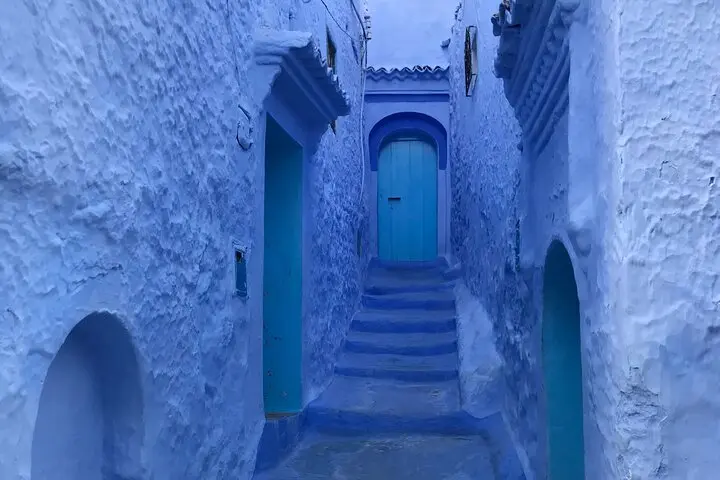
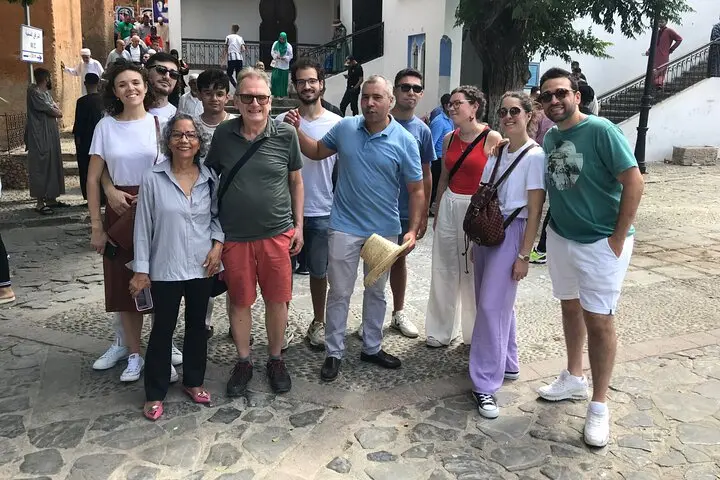
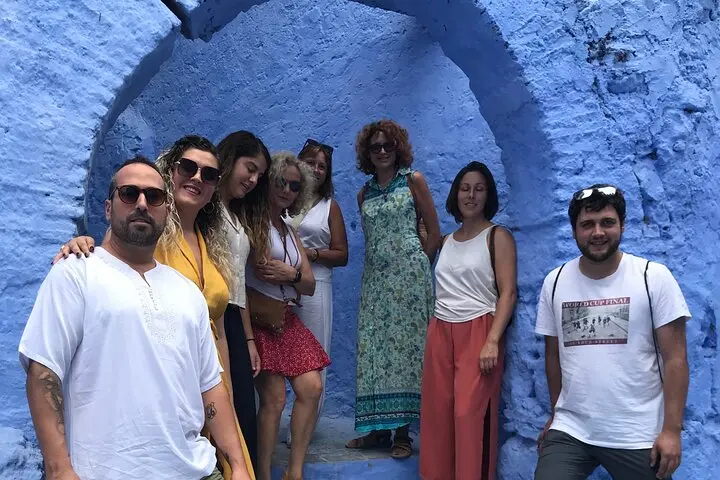
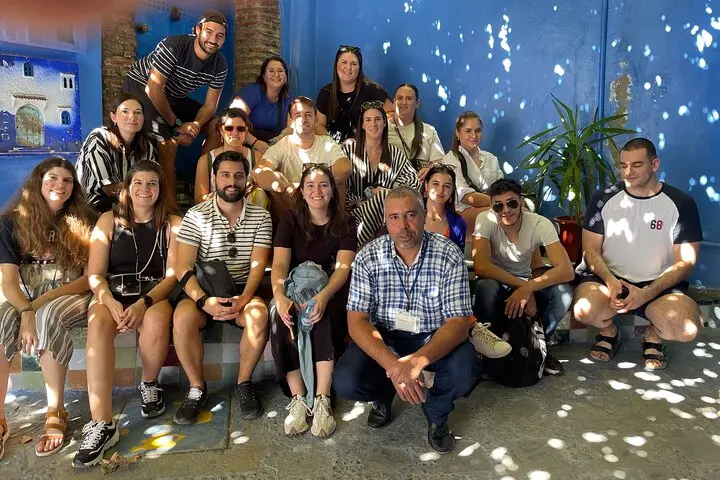
You step off Outa el Hammam and the alleys press close—walls washed in cool pigments of blue, doorways layered with weather and handprints. Baba leads the way through narrow streets where light slices between buildings and local life continues unhurried: a vendor cleaning mint, laundry flapping, and the soft rush of water at Ras El Ma daring you to pause.
You step off Outa el Hammam and the alleys press close—walls washed in cool pigments of blue, doorways layered with weather and handprints. Baba leads the way through narrow streets where light slices between buildings and local life continues unhurried: a vendor cleaning mint, laundry flapping, and the soft rush of water at Ras El Ma daring you to pause.
Chefchaouen began as a mountain stronghold in the 15th century and evolved with Andalusian refugees and local Amazigh traditions; the Rif Mountains around it are folded sedimentary rock that channels runoff into stepped springs and the river that feeds Ras El Ma. The Kasbah in Outa el Hammam holds simple galleries and a small museum that place the town’s past—Spanish influence, craft traditions, and centuries of trade—into readable fragments between bluewashed lanes.
On a three-hour private walk you’ll hit the key nodes: Outa el Hammam square, the Kasbah courtyard, riverside Ras El Ma and hidden alleys for photos and tea. The guide’s local stories and language skills unlock small moments—where to find handwoven wool, where the best rooftop views open at golden hour, and how local water use shapes daily life.
Practical notes: expect cobblestones and short flights of stone steps, light walking at an easy pace, and pockets of sun and shade. Bring cash for tea and tips, wear comfortable shoes, and arrive 15 minutes early at the Kasbah entrance. The tour includes bottled water and a chance to sit for mint tea—an efficient, low-impact way to read Chefchaouen’s culture and landscape in one intimate visit.