THE ADVENTURE COLLECTIVE® · Independent discovery and booking for outdoor travel

Short on time but hungry for context? A three-hour private walking tour of Hong Kong stitches together colonial corners, busy markets and sacred temples with local stories and transport-savvy tips.
Short on time but hungry for context? A three-hour private walking tour of Hong Kong stitches together colonial corners, busy markets and sacred temples with local stories and transport-savvy tips.
You step from a shaded arcade onto a slick stone lane; the harbour is an eye-level ribbon of steel-grey light and ferries cut through it like punctuation.
Verified experiences and guided adventures in the surrounding area.
Operated by Hong Kong a la carte · Hong Kong, Hong Kong
You step from a shaded arcade onto a slick stone lane; the harbour is an eye-level ribbon of steel-grey light and ferries cut through it like punctuation.
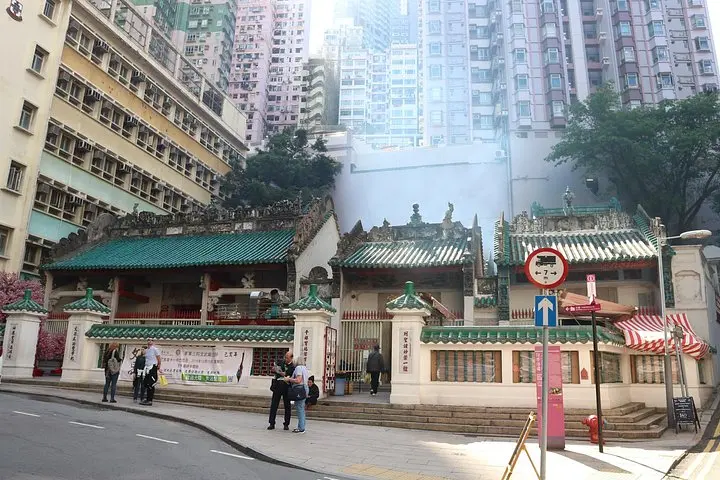
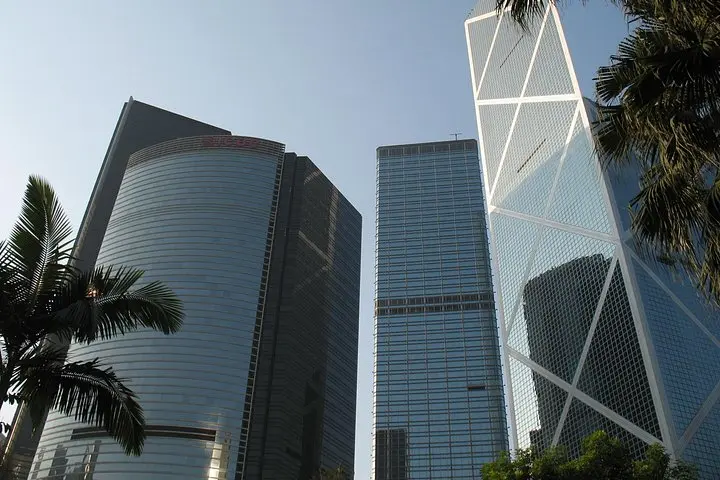
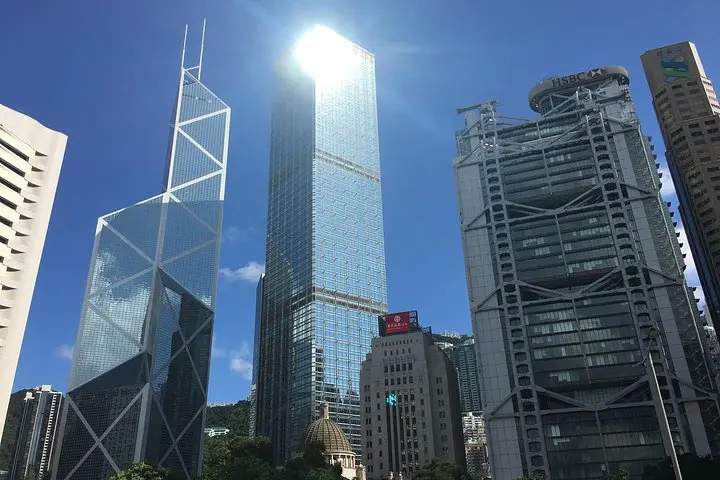
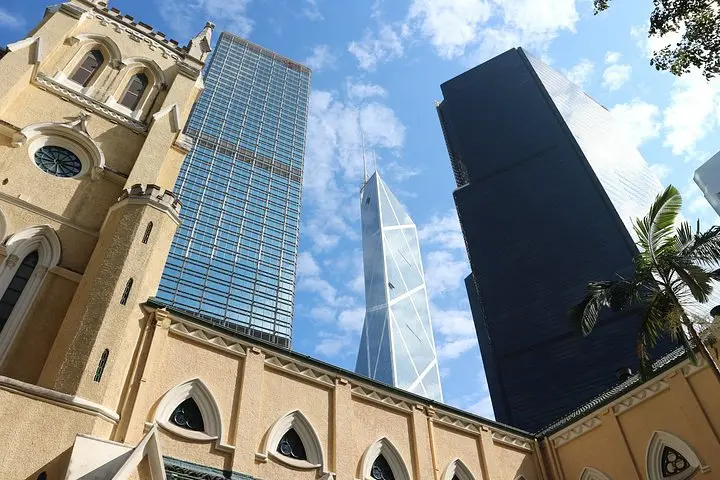
In three hours a private guide will thread you through the city’s edges — from colonial-era granite buildings in Central to the crowded market alleys of Mongkok or the incense-soft hush of Wong Tai Sin. The route is yours to shape, but expect a mix of high-rise geometry and human-scale lanes where food stalls, tram tracks and neon vie for attention.
Hong Kong’s story is visible in its layers: granite and volcanic bedrock heaved into steep hills, a British colonial grid that met Cantonese village plots, and decades of rapid land reclamation that pushed the shoreline outward. Culture arrives in tastes — wonton, egg tarts, herbal tea — and in civic rhythms: ferry horns at dawn, diners spilling onto pavements at night.
Practical guidance: wear grippy shoes for stairs and uneven paving, bring a small Octopus card for trams and MTR, and plan for crowds during peak hours. Summer is hot and wet; the city can change rapidly during typhoon season, so check forecasts. A private guide saves time and gives local context—history, geopolitics and off-grid anecdotes that don’t appear in guidebooks.
This is a walk that balances quick urban moves with slow conversation: expect to walk 3–6 km depending on route, climb short flights of public steps, and end with a clear sense of how Hong Kong’s past shapes its frenetic present.
Yes — the tour is private and meeting logistics are flexible; confirm pickup or a central meeting point when booking.
Yes — many streets are stroller-friendly though some areas include steps; discuss route choices with the guide.
Guides can point you to tastings or street-food stops; food purchases are typically at the traveler’s expense unless specified.
The tour generally runs in light rain; for severe weather (typhoon signals) operators may reschedule with full refund if canceled in advance.
Hong Kong a la carte operates guided outdoor trips and adventures with an emphasis on safety, stewardship, and memorable experiences.
You step from a shaded arcade onto a slick stone lane; the harbour is an eye-level ribbon of steel-grey light and ferries cut through it like punctuation.
You step from a shaded arcade onto a slick stone lane; the harbour is an eye-level ribbon of steel-grey light and ferries cut through it like punctuation.
In three hours a private guide will thread you through the city’s edges — from colonial-era granite buildings in Central to the crowded market alleys of Mongkok or the incense-soft hush of Wong Tai Sin. The route is yours to shape, but expect a mix of high-rise geometry and human-scale lanes where food stalls, tram tracks and neon vie for attention.
Hong Kong’s story is visible in its layers: granite and volcanic bedrock heaved into steep hills, a British colonial grid that met Cantonese village plots, and decades of rapid land reclamation that pushed the shoreline outward. Culture arrives in tastes — wonton, egg tarts, herbal tea — and in civic rhythms: ferry horns at dawn, diners spilling onto pavements at night.
Practical guidance: wear grippy shoes for stairs and uneven paving, bring a small Octopus card for trams and MTR, and plan for crowds during peak hours. Summer is hot and wet; the city can change rapidly during typhoon season, so check forecasts. A private guide saves time and gives local context—history, geopolitics and off-grid anecdotes that don’t appear in guidebooks.
This is a walk that balances quick urban moves with slow conversation: expect to walk 3–6 km depending on route, climb short flights of public steps, and end with a clear sense of how Hong Kong’s past shapes its frenetic present.