THE ADVENTURE COLLECTIVE® · Independent discovery and booking for outdoor travel

Navigate the calm channels of Portugal’s Ria Formosa on a three-hour boat tour from Olhão. Swim on a desert island, visit a fishing community, and learn about the lagoon’s birds, seagrass and traditional fisheries.
Navigate the calm channels of Portugal’s Ria Formosa on a three-hour boat tour from Olhão. Swim on a desert island, visit a fishing community, and learn about the lagoon’s birds, seagrass and traditional fisheries.
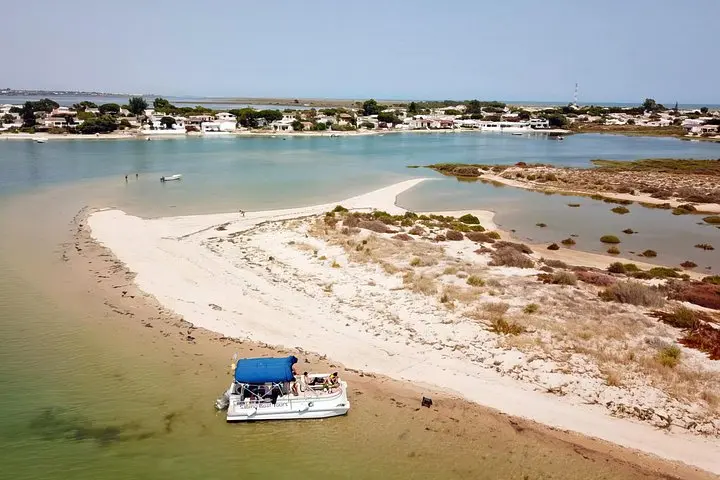
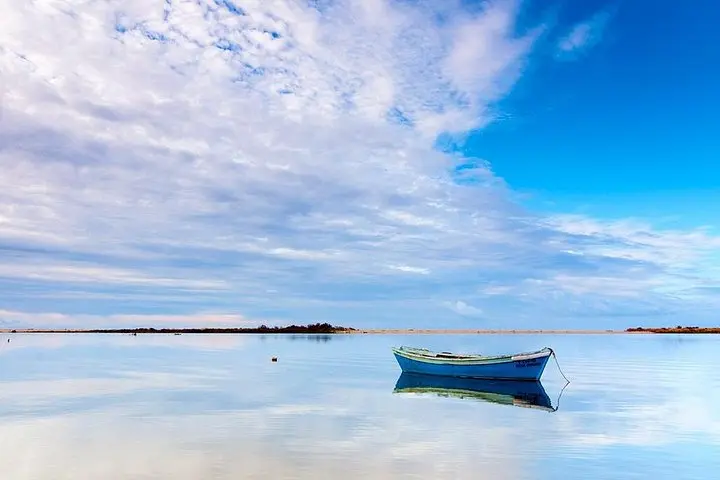
The hull slips out of Olhão’s quay and the shallow channels of the Ria Formosa open like a map you can walk on. Salt-tanged air and a low, wide light set the lagoon aglow while the skipper points out sandbanks that shift with the tides. In three hours you’ll thread calm channels, step onto pristine white sand, and visit working island communities where fishing nets and laundry dry side by side.
Verified experiences and guided adventures in the surrounding area.
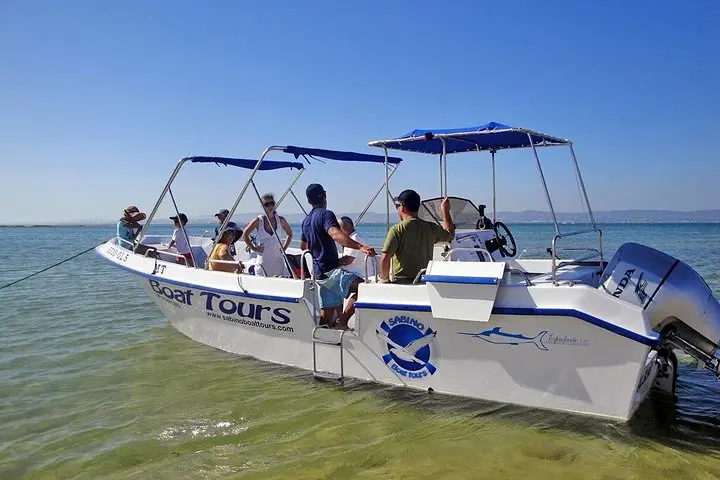
Operated by Sabino Boat Tours · Olhão, Algarve
The hull slips out of Olhão’s quay and the shallow channels of the Ria Formosa open like a map you can walk on. Salt-tanged air and a low, wide light set the lagoon aglow while the skipper points out sandbanks that shift with the tides. In three hours you’ll thread calm channels, step onto pristine white sand, and visit working island communities where fishing nets and laundry dry side by side.
The Ria Formosa is a barrier-lagoon system formed by millennia of tidal exchange and sediment transport. Its islands—Culatra, Farol and others—grew as shoals trapped sand, creating habitats for seagrass, wading birds and traditional shellfish beds. Human presence here is practical and old: small fishing villages, an iconic lighthouse at Farol marking Portugal’s southern edge, and centuries of saltwork, boatbuilding and coastal stewardship.
Expect a mix of geology, wildlife and culture: salt pans glitter, plovers dart along the shoreline, and the skipper will explain eelgrass meadows and artisanal fisheries. Practicalities matter: the tour departs from Jardim Patrão Joaquim Lopes in Olhão—arrive 15 minutes early. Wear reef-safe sunscreen, bring a towel and a light wind layer; there’s a swim stop on a desert island and time to explore a fishing village like Culatra or Farol. Cameras and binoculars pay dividends here; island cafés accept cash for a quick snack.
This trip is low-impact and accessible, ideal for travelers who want a concise introduction to the Algarve’s coastal ecosystems—part nature cruise, part cultural encounter—with plenty of swimming and shore time.
The meeting point is Jardim Patrão Joaquim Lopes, Av. 5 de Outubro, Cais T in Olhão—arrive at least 15 minutes early.
Yes—there are two stops, including a desert island for swimming and a visit to an island community such as Culatra or Farol.
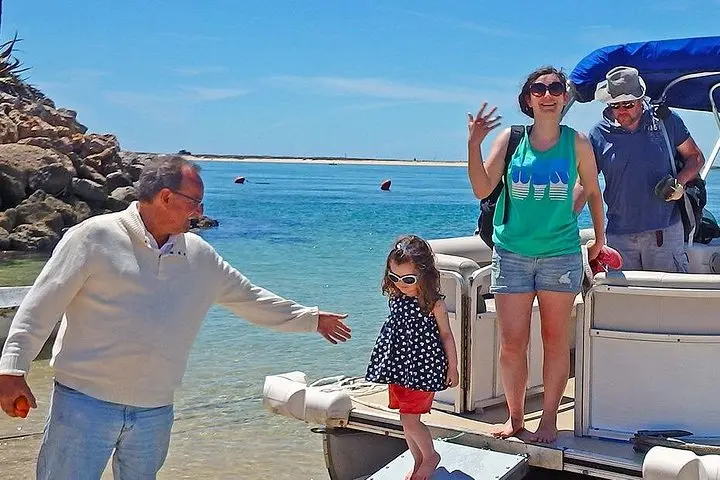
The tour is rated easy and accessible; however, island landings may involve stepping on sand and a small gangway—contact the operator for specific mobility needs.
Expect waders like avocets and oystercatchers, terns, and possibly dolphins offshore; seasonal migratory birds are common in spring and autumn.
Sabino Boat Tours operates guided outdoor trips and adventures with an emphasis on safety, stewardship, and memorable experiences.
The hull slips out of Olhão’s quay and the shallow channels of the Ria Formosa open like a map you can walk on. Salt-tanged air and a low, wide light set the lagoon aglow while the skipper points out sandbanks that shift with the tides. In three hours you’ll thread calm channels, step onto pristine white sand, and visit working island communities where fishing nets and laundry dry side by side.
The hull slips out of Olhão’s quay and the shallow channels of the Ria Formosa open like a map you can walk on. Salt-tanged air and a low, wide light set the lagoon aglow while the skipper points out sandbanks that shift with the tides. In three hours you’ll thread calm channels, step onto pristine white sand, and visit working island communities where fishing nets and laundry dry side by side.
The Ria Formosa is a barrier-lagoon system formed by millennia of tidal exchange and sediment transport. Its islands—Culatra, Farol and others—grew as shoals trapped sand, creating habitats for seagrass, wading birds and traditional shellfish beds. Human presence here is practical and old: small fishing villages, an iconic lighthouse at Farol marking Portugal’s southern edge, and centuries of saltwork, boatbuilding and coastal stewardship.
Expect a mix of geology, wildlife and culture: salt pans glitter, plovers dart along the shoreline, and the skipper will explain eelgrass meadows and artisanal fisheries. Practicalities matter: the tour departs from Jardim Patrão Joaquim Lopes in Olhão—arrive 15 minutes early. Wear reef-safe sunscreen, bring a towel and a light wind layer; there’s a swim stop on a desert island and time to explore a fishing village like Culatra or Farol. Cameras and binoculars pay dividends here; island cafés accept cash for a quick snack.
This trip is low-impact and accessible, ideal for travelers who want a concise introduction to the Algarve’s coastal ecosystems—part nature cruise, part cultural encounter—with plenty of swimming and shore time.