THE ADVENTURE COLLECTIVE® · Independent discovery and booking for outdoor travel
Explore Venice on a focused 3-hour walking tour from Santa Lucia station — see St. Mark’s, Rialto Bridge and tucked-away canals while learning the city’s maritime history and practical tips for navigating its streets.
Explore Venice on a focused 3-hour walking tour from Santa Lucia station — see St. Mark’s, Rialto Bridge and tucked-away canals while learning the city’s maritime history and practical tips for navigating its streets.
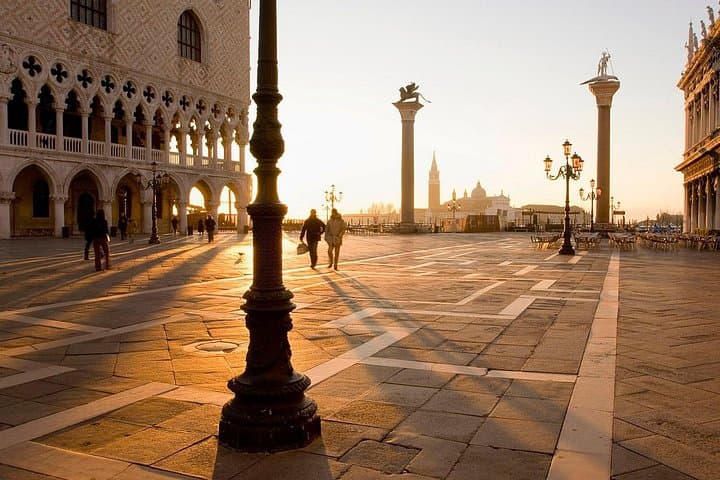
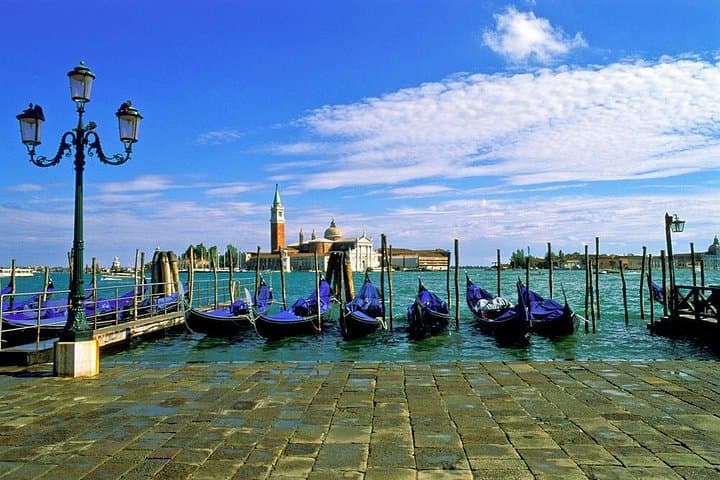
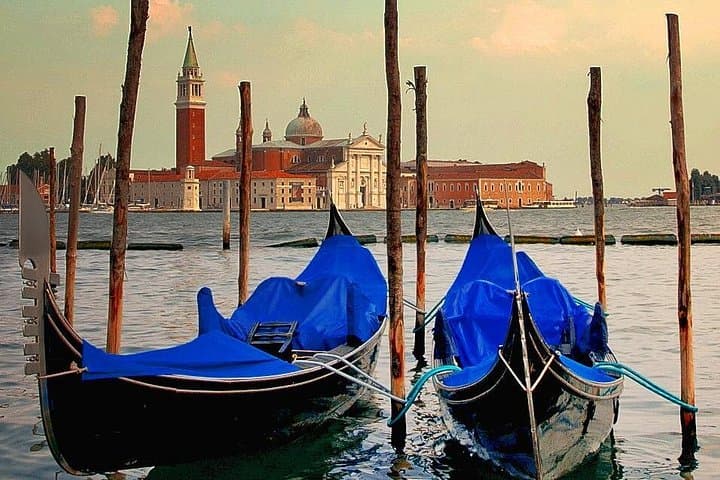
You step off the vaporetto at Venezia Santa Lucia and the city rearranges itself around you — narrow alleys funneling to bright squares, the Grand Canal curving like a slow river through the urban frame. For three hours a guide walks you through St. Mark’s Square, down to the Rialto and into quieter campos, sketching the lines of palaces, bridges and the water that shapes daily life.
Verified experiences and guided adventures in the surrounding area.
Operated by ROMAETRAVEL · Venice, Veneto
You step off the vaporetto at Venezia Santa Lucia and the city rearranges itself around you — narrow alleys funneling to bright squares, the Grand Canal curving like a slow river through the urban frame. For three hours a guide walks you through St. Mark’s Square, down to the Rialto and into quieter campos, sketching the lines of palaces, bridges and the water that shapes daily life.
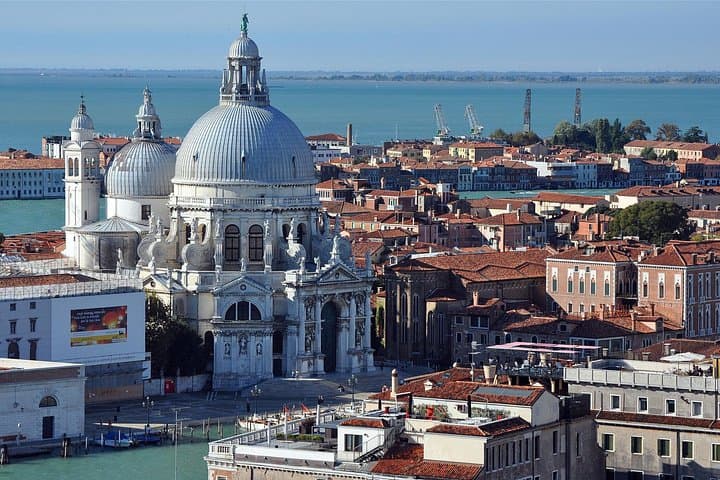
Venice was built on a lagoon of tidal flats and wooden piles driven into silty ground; its architecture and wealth grew from maritime trade during the Republic of Venice. The Grand Canal, about 3.8 km long and averaging 5 m deep, remains the city’s main artery; the Rialto Bridge you cross today dates in its present stone form to 1591. St. Mark’s Basilica, with origins in the 11th century, and the Doge’s Palace speak to civic power and religious display — but the real city lives on foot among 354 bridges and alleys where markets and neighborhood cafés persist.
Practical planning matters: meet at Venezia Santa Lucia station on time, and expect cobbled streets and frequent steps. Wear comfortable, grippy shoes and bring a filled water bottle — fountains are available in major squares. Midday in St. Mark’s draws crowds; mornings and late afternoons offer cooler light and quieter lanes. Note a local tourist access fee can apply on some days. With a modest pace and a knowledgeable guide, this walking tour balances headline sights with off-the-beaten paths, giving newcomers both context and a confident route to continue exploring the Floating City on their own.
The tour meets at Venezia Santa Lucia train station; confirm the specific exit or platform with your booking voucher and arrive 10–15 minutes early.
Many bridges have steps and there are frequent narrow passages; this tour is generally not wheelchair-accessible and strollers can be difficult to manage.
Admissions are not included—this walking tour focuses on exterior views and commentary; plan separately if you want to enter sites like Doge’s Palace or St. Mark’s Basilica.
This specific product lists a professional guide; check the booking page for language availability and any options for private multilingual tours.
ROMAETRAVEL operates guided outdoor trips and adventures with an emphasis on safety, stewardship, and memorable experiences.
You step off the vaporetto at Venezia Santa Lucia and the city rearranges itself around you — narrow alleys funneling to bright squares, the Grand Canal curving like a slow river through the urban frame. For three hours a guide walks you through St. Mark’s Square, down to the Rialto and into quieter campos, sketching the lines of palaces, bridges and the water that shapes daily life.
You step off the vaporetto at Venezia Santa Lucia and the city rearranges itself around you — narrow alleys funneling to bright squares, the Grand Canal curving like a slow river through the urban frame. For three hours a guide walks you through St. Mark’s Square, down to the Rialto and into quieter campos, sketching the lines of palaces, bridges and the water that shapes daily life.
Venice was built on a lagoon of tidal flats and wooden piles driven into silty ground; its architecture and wealth grew from maritime trade during the Republic of Venice. The Grand Canal, about 3.8 km long and averaging 5 m deep, remains the city’s main artery; the Rialto Bridge you cross today dates in its present stone form to 1591. St. Mark’s Basilica, with origins in the 11th century, and the Doge’s Palace speak to civic power and religious display — but the real city lives on foot among 354 bridges and alleys where markets and neighborhood cafés persist.
Practical planning matters: meet at Venezia Santa Lucia station on time, and expect cobbled streets and frequent steps. Wear comfortable, grippy shoes and bring a filled water bottle — fountains are available in major squares. Midday in St. Mark’s draws crowds; mornings and late afternoons offer cooler light and quieter lanes. Note a local tourist access fee can apply on some days. With a modest pace and a knowledgeable guide, this walking tour balances headline sights with off-the-beaten paths, giving newcomers both context and a confident route to continue exploring the Floating City on their own.
