THE ADVENTURE COLLECTIVE® · Independent discovery and booking for outdoor travel

Spend three nights exploring Cusco, the Sacred Valley and Machu Picchu with guided visits to Sacsayhuaman, Pisac and Ollantaytambo. This compact tour balances cultural sites, scenic train travel and practical logistics for first-time visitors.
Spend three nights exploring Cusco, the Sacred Valley and Machu Picchu with guided visits to Sacsayhuaman, Pisac and Ollantaytambo. This compact tour balances cultural sites, scenic train travel and practical logistics for first-time visitors.
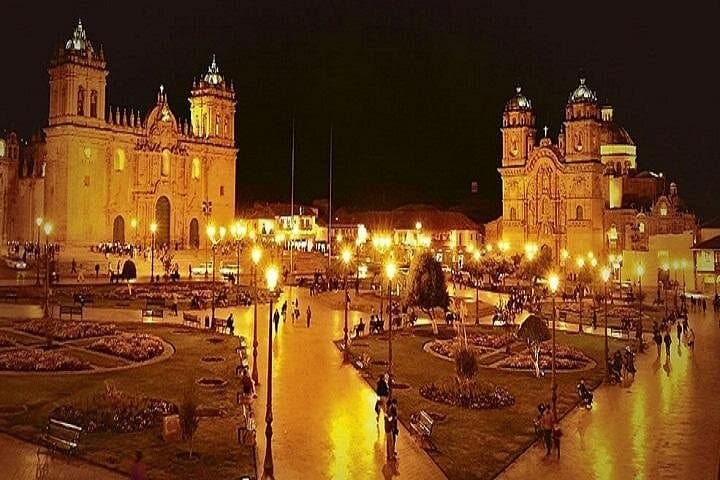
You step out before sunrise onto Cusco’s high-stone streets, the air thin and bright against the shoulders of the Andes. The city’s Spanish colonial facades sit on Inca foundations; farther up, Sacsayhuaman’s enormous fitted stones loom on the ridge like careful guards. A train whistle will soon cut across the canyon as the Urubamba River dares you toward the emerald terraces below.
Verified experiences and guided adventures in the surrounding area.
Operated by MISTERIOS PERU · Cusco, Cusco
You step out before sunrise onto Cusco’s high-stone streets, the air thin and bright against the shoulders of the Andes. The city’s Spanish colonial facades sit on Inca foundations; farther up, Sacsayhuaman’s enormous fitted stones loom on the ridge like careful guards. A train whistle will soon cut across the canyon as the Urubamba River dares you toward the emerald terraces below.
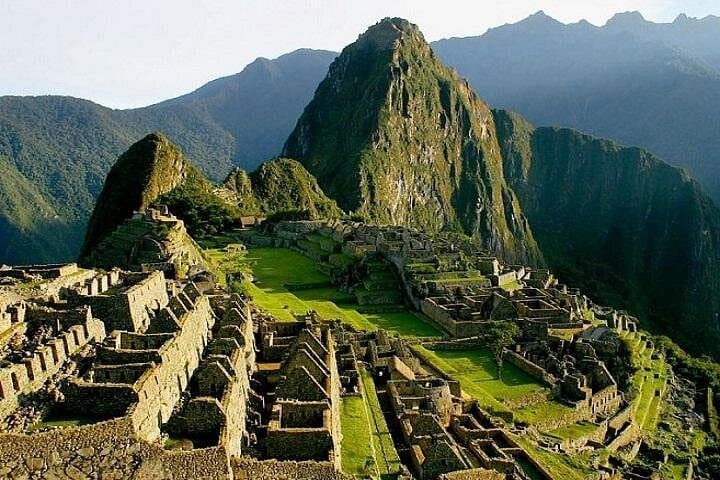
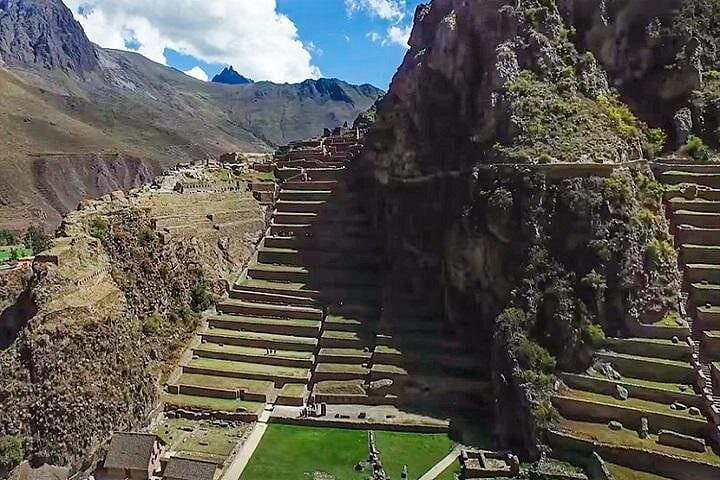
This compact 3-night itinerary threads together the Inca heartland: Koricancha’s solar rites, the hulking masonry of Sacsayhuaman, Pisac’s hilltop ruins and market, the living streets of Ollantaytambo, and the skylined citadel of Machu Picchu. Geologically, the region is carved from volcanic and metamorphic rock, shaped by glacial action and the persistent pulse of the river; agriculturally, the stepped terraces show how elevation was engineered into reliable microclimates.
Culturally, expect woven textiles and highland cuisine—roasted corn, quinoa soups, and coca leaf ceremonies—and local guides who connect sites to Inca political and agricultural practice. The train to Aguas Calientes follows a narrow gorge; on the short bus up to Machu Picchu the mountain seems to lift the citadel from cloud.
Practical guidance: plan at least 24–48 hours in Cusco to acclimatize, book Machu Picchu admission and the Ollantaytambo–Aguas Calientes train seats in advance, and carry layered clothing for big temperature swings. Bring sturdy footwear for uneven stonework, a reusable water bottle, and cash for markets. Mornings are quieter and offer the clearest light for photos and fewer crowds.
Yes—the itinerary specifies Machu Picchu admission is included for the guided visit on Day 3.
No—Huayna Picchu and Machu Picchu Mountain require separate timed permits and are not included in the standard group itinerary.
Expect 2–4 hours of walking on uneven stone paths during Cusco and Sacred Valley visits and about 2.5 hours guided at Machu Picchu; moderate fitness is recommended.
May through September (dry season) usually offers the clearest skies and easiest hiking conditions, but shoulder seasons can mean fewer crowds.
MISTERIOS PERU operates guided outdoor trips and adventures with an emphasis on safety, stewardship, and memorable experiences.

You step out before sunrise onto Cusco’s high-stone streets, the air thin and bright against the shoulders of the Andes. The city’s Spanish colonial facades sit on Inca foundations; farther up, Sacsayhuaman’s enormous fitted stones loom on the ridge like careful guards. A train whistle will soon cut across the canyon as the Urubamba River dares you toward the emerald terraces below.
You step out before sunrise onto Cusco’s high-stone streets, the air thin and bright against the shoulders of the Andes. The city’s Spanish colonial facades sit on Inca foundations; farther up, Sacsayhuaman’s enormous fitted stones loom on the ridge like careful guards. A train whistle will soon cut across the canyon as the Urubamba River dares you toward the emerald terraces below.
This compact 3-night itinerary threads together the Inca heartland: Koricancha’s solar rites, the hulking masonry of Sacsayhuaman, Pisac’s hilltop ruins and market, the living streets of Ollantaytambo, and the skylined citadel of Machu Picchu. Geologically, the region is carved from volcanic and metamorphic rock, shaped by glacial action and the persistent pulse of the river; agriculturally, the stepped terraces show how elevation was engineered into reliable microclimates.
Culturally, expect woven textiles and highland cuisine—roasted corn, quinoa soups, and coca leaf ceremonies—and local guides who connect sites to Inca political and agricultural practice. The train to Aguas Calientes follows a narrow gorge; on the short bus up to Machu Picchu the mountain seems to lift the citadel from cloud.
Practical guidance: plan at least 24–48 hours in Cusco to acclimatize, book Machu Picchu admission and the Ollantaytambo–Aguas Calientes train seats in advance, and carry layered clothing for big temperature swings. Bring sturdy footwear for uneven stonework, a reusable water bottle, and cash for markets. Mornings are quieter and offer the clearest light for photos and fewer crowds.