THE ADVENTURE COLLECTIVE® · Independent discovery and booking for outdoor travel

Sail the Nile on a 3-night voyage from Hurghada to Luxor and Aswan, combining iconic temples, West Bank tombs and island sanctuaries with relaxed river time. Perfect for travelers who want history-rich shore excursions plus the comfort of a five-star cruise.
Sail the Nile on a 3-night voyage from Hurghada to Luxor and Aswan, combining iconic temples, West Bank tombs and island sanctuaries with relaxed river time. Perfect for travelers who want history-rich shore excursions plus the comfort of a five-star cruise.
You step off the shore at Luxor as the Nile pulls you into a slow, steady rhythm—the river daring you to slow down with it. Palm-lined banks slide by, minarets and mudbrick villages punctuate the horizon, and the ship’s wake threads between temples whose stone faces have watched the same current for millennia.
Verified experiences and guided adventures in the surrounding area.
Operated by Egypt Best Day Tours · Luxor, Luxor Governorate
You step off the shore at Luxor as the Nile pulls you into a slow, steady rhythm—the river daring you to slow down with it. Palm-lined banks slide by, minarets and mudbrick villages punctuate the horizon, and the ship’s wake threads between temples whose stone faces have watched the same current for millennia.
This 3-night cruise pairs classical archaeology with the mechanics of the modern Nile: Karnak’s hypostyle halls and Luxor Temple’s avenue of sphinxes give way to West Bank tombs, Hatshepsut’s terraced mortuary temple, and the Colossi of Memnon. Southward, the well-preserved Edfu Temple and Kom Ombo’s dual sanctuaries reveal Ptolemaic devotion, while Aswan’s High Dam and island-set Philae show Egypt’s 20th-century interventions.
Geologically the valley is a narrow green ribbon cut through desert rock and alluvial soil; the river’s annual rhythms created the agricultural strip that supported pharaonic power. Culturally, expect layered histories—ancient burial rites, Coptic and Islamic settlements, and Nubian communities downstream.
Practical guidance: transfers from Hurghada to Luxor are ~4 hours by road (≈260 km). Expect moderate walking on uneven surfaces, guided entry fees included, and a schedule that mixes on-deck sailing with shore excursions; the Esna lock crossing is a notable on-water experience. Bring sun protection, a light daypack, and comfortable walking shoes with good grip. Plan extra time for museum visits or a felucca sunset if you want to linger—this trip balances relaxed river hours with concentrated archaeological site visits.
The program picks up from Hurghada and transfers you to Luxor where the Nile cruise begins; disembarkation occurs in Aswan with road transfer back to Hurghada on day four.
Yes; entrance fees for listed sites and an English-speaking expert guide are included in the itinerary.
Excursions involve walking on uneven surfaces, steps and occasional short climbs; they are low-impact but require steady footing and basic mobility.
Many nationalities need a visa; check current Egyptian visa rules before travel and ensure your passport has sufficient validity for entry.
Egypt Best Day Tours operates guided outdoor trips and adventures with an emphasis on safety, stewardship, and memorable experiences.
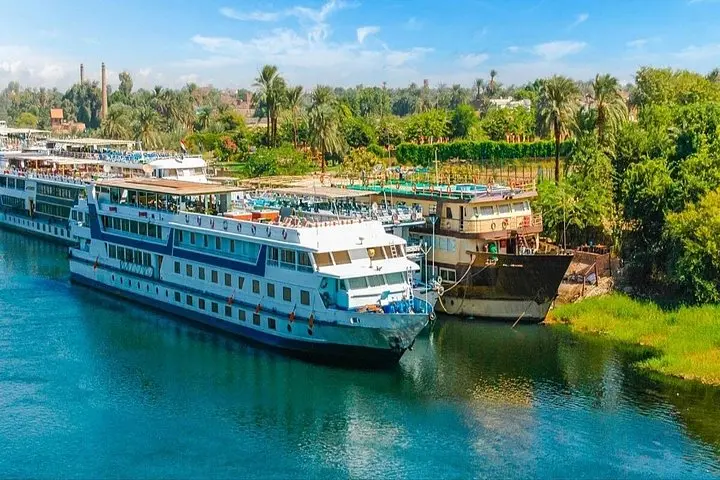

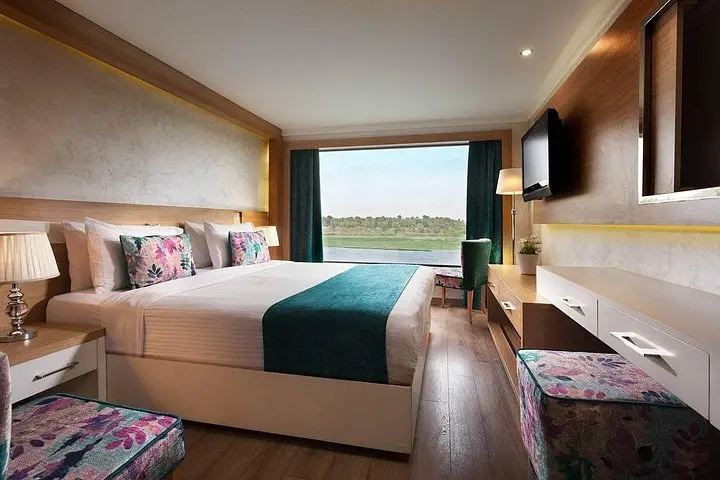
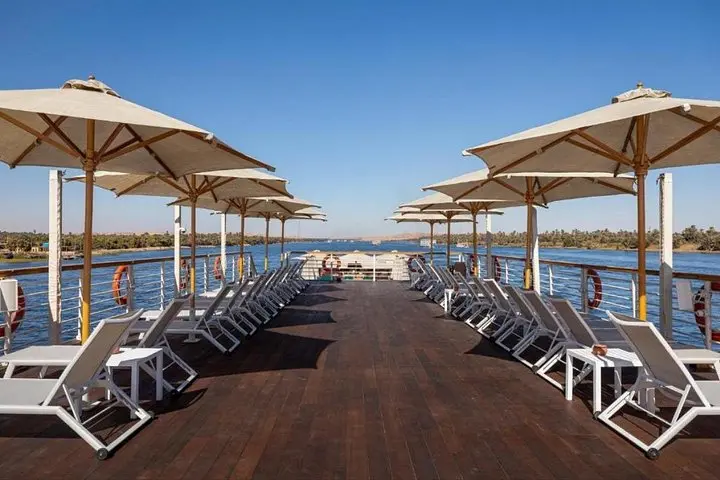
You step off the shore at Luxor as the Nile pulls you into a slow, steady rhythm—the river daring you to slow down with it. Palm-lined banks slide by, minarets and mudbrick villages punctuate the horizon, and the ship’s wake threads between temples whose stone faces have watched the same current for millennia.
You step off the shore at Luxor as the Nile pulls you into a slow, steady rhythm—the river daring you to slow down with it. Palm-lined banks slide by, minarets and mudbrick villages punctuate the horizon, and the ship’s wake threads between temples whose stone faces have watched the same current for millennia.
This 3-night cruise pairs classical archaeology with the mechanics of the modern Nile: Karnak’s hypostyle halls and Luxor Temple’s avenue of sphinxes give way to West Bank tombs, Hatshepsut’s terraced mortuary temple, and the Colossi of Memnon. Southward, the well-preserved Edfu Temple and Kom Ombo’s dual sanctuaries reveal Ptolemaic devotion, while Aswan’s High Dam and island-set Philae show Egypt’s 20th-century interventions.
Geologically the valley is a narrow green ribbon cut through desert rock and alluvial soil; the river’s annual rhythms created the agricultural strip that supported pharaonic power. Culturally, expect layered histories—ancient burial rites, Coptic and Islamic settlements, and Nubian communities downstream.
Practical guidance: transfers from Hurghada to Luxor are ~4 hours by road (≈260 km). Expect moderate walking on uneven surfaces, guided entry fees included, and a schedule that mixes on-deck sailing with shore excursions; the Esna lock crossing is a notable on-water experience. Bring sun protection, a light daypack, and comfortable walking shoes with good grip. Plan extra time for museum visits or a felucca sunset if you want to linger—this trip balances relaxed river hours with concentrated archaeological site visits.