THE ADVENTURE COLLECTIVE® · Independent discovery and booking for outdoor travel

Sail four days along the Nile between Aswan and Luxor, visiting Philae, Kom Ombo, Edfu, Karnak and the Valley of the Kings. This private three‑night cruise pairs deluxe onboard comfort with expert Egyptologist guides to unlock the river’s ancient stories.
Sail four days along the Nile between Aswan and Luxor, visiting Philae, Kom Ombo, Edfu, Karnak and the Valley of the Kings. This private three‑night cruise pairs deluxe onboard comfort with expert Egyptologist guides to unlock the river’s ancient stories.
You step onto the polished teak deck as the city of Aswan slides awake — minarets and palm groves sharpen against a pale desert sky while the Nile pushes the ship forward, steady and inevitable. Onboard, linen-draped windows frame a river that has carried civilizations; on shore, temples puncture the horizon like annotated chapters.
Verified experiences and guided adventures in the surrounding area.
Operated by Saray El-Nile · Aswan, Aswan Governorate
You step onto the polished teak deck as the city of Aswan slides awake — minarets and palm groves sharpen against a pale desert sky while the Nile pushes the ship forward, steady and inevitable. Onboard, linen-draped windows frame a river that has carried civilizations; on shore, temples puncture the horizon like annotated chapters.
This compact 4‑day cruise threads a corridor of history: the modern High Dam and Lake Nasser at Aswan, the island sanctuary of Philae, Kom Ombo’s double temple, the well‑preserved Temple of Horus at Edfu, and Luxor’s Karnak and Valley of the Kings. Geology is plain here — sandstone cliffs and cultivated floodplains tell the story of an ancient river that shaped settlement and ritual. Egyptologists on board translate hieroglyphs into human stories and point out architectural details that reveal medical practice, kingship, and daily life.
Practically, expect a relaxed itinerary with private transfers, three nights in a deluxe cruise cabin, and most meals included; entrance fees may depend on options chosen. Dawn and dusk are the best times for photography and to avoid peak heat; small-boat transfers and short walks at sites are part of the routine. Dress respectfully at sites (shoulders and knees covered), carry cash for optional tomb entrances and tips, and bring sun protection and a refillable bottle — the deck’s breeze is forgiving, but the sun is not.
For travelers who want compact immersion in ancient Egypt without daily hotel moves, this route delivers layered history, river rhythm, and efficient logistics for exploring the Nile’s greatest monuments.
Some entrance fees are included depending on the selected option; specialty tombs such as Tutankhamun’s often require an extra ticket at the site.
The cruise is generally easy but sites include stairs and uneven surfaces; notify the operator of mobility needs to arrange assistance and accessible transfers where possible.
Bring Egyptian pounds for small purchases and tips; major cards are accepted at some places but cash is more reliable at smaller stalls and for optional fees.
Tipping is customary for guides and crew and is usually not included; bring small bills to distribute at the end of the cruise or follow the operator’s guidance.
Saray El-Nile operates guided outdoor trips and adventures with an emphasis on safety, stewardship, and memorable experiences.



You step onto the polished teak deck as the city of Aswan slides awake — minarets and palm groves sharpen against a pale desert sky while the Nile pushes the ship forward, steady and inevitable. Onboard, linen-draped windows frame a river that has carried civilizations; on shore, temples puncture the horizon like annotated chapters.
You step onto the polished teak deck as the city of Aswan slides awake — minarets and palm groves sharpen against a pale desert sky while the Nile pushes the ship forward, steady and inevitable. Onboard, linen-draped windows frame a river that has carried civilizations; on shore, temples puncture the horizon like annotated chapters.
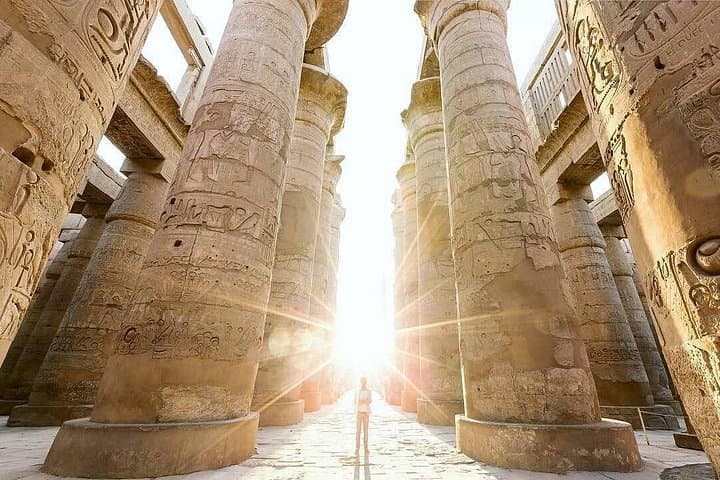
This compact 4‑day cruise threads a corridor of history: the modern High Dam and Lake Nasser at Aswan, the island sanctuary of Philae, Kom Ombo’s double temple, the well‑preserved Temple of Horus at Edfu, and Luxor’s Karnak and Valley of the Kings. Geology is plain here — sandstone cliffs and cultivated floodplains tell the story of an ancient river that shaped settlement and ritual. Egyptologists on board translate hieroglyphs into human stories and point out architectural details that reveal medical practice, kingship, and daily life.
Practically, expect a relaxed itinerary with private transfers, three nights in a deluxe cruise cabin, and most meals included; entrance fees may depend on options chosen. Dawn and dusk are the best times for photography and to avoid peak heat; small-boat transfers and short walks at sites are part of the routine. Dress respectfully at sites (shoulders and knees covered), carry cash for optional tomb entrances and tips, and bring sun protection and a refillable bottle — the deck’s breeze is forgiving, but the sun is not.
For travelers who want compact immersion in ancient Egypt without daily hotel moves, this route delivers layered history, river rhythm, and efficient logistics for exploring the Nile’s greatest monuments.