THE ADVENTURE COLLECTIVE® · Independent discovery and booking for outdoor travel

Three nights, four days and the major Red Centre icons—Uluru’s base walk, Kata Tjuta’s domes and Kings Canyon’s rim—combined with powered camping and local cultural interpretation. Early starts, long daylight hours and heat call for a plan: bring water, sturdy shoes and respect for Anangu country.
Three nights, four days and the major Red Centre icons—Uluru’s base walk, Kata Tjuta’s domes and Kings Canyon’s rim—combined with powered camping and local cultural interpretation. Early starts, long daylight hours and heat call for a plan: bring water, sturdy shoes and respect for Anangu country.
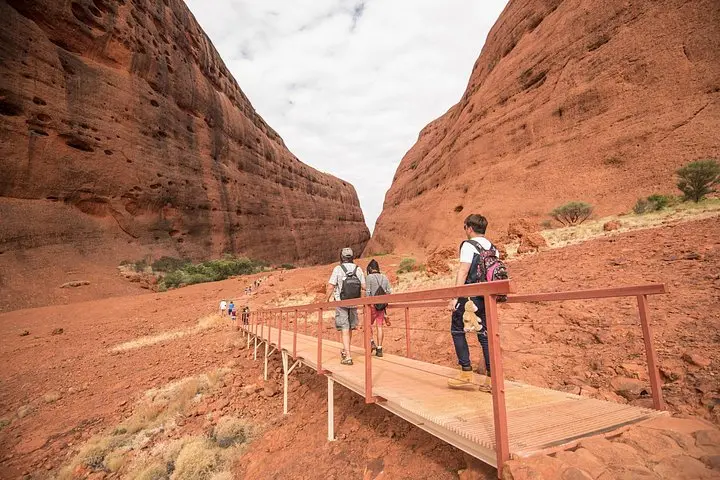
The bus rumbles away from Yulara as the late afternoon sun angles across ochre plains, and the landscape shucks off the last of the day’s heat like armor. By the time you reach Kata Tjuta the domes stand in silhouette—massive, folded rock that seems to breathe. You step onto stony paths where wind and time have carved corridors, and the land immediately feels both ancient and exacting: there’s little between you and the sky.
Verified experiences and guided adventures in the surrounding area.
Operated by Adventure Tours Australia · Yulara, Northern Territory
The bus rumbles away from Yulara as the late afternoon sun angles across ochre plains, and the landscape shucks off the last of the day’s heat like armor. By the time you reach Kata Tjuta the domes stand in silhouette—massive, folded rock that seems to breathe. You step onto stony paths where wind and time have carved corridors, and the land immediately feels both ancient and exacting: there’s little between you and the sky.
This 3-night loop stitches together the Red Centre’s headline acts—Kata Tjuta’s Walpa Gorge and Valley of the Winds, the full 10.6 km Uluru base walk, and the rim of Kings Canyon (the Rim Walk is roughly 6 km). Geologically the region is Old Red: quartzite and sandstone folded and laced with iron, worn into domes, ridges and escarpments over hundreds of millions of years. Culturally the country belongs to the Anangu people; creation stories, rock art and songlines are woven into the very surfaces you’re tracing with your boots. Guides point out sacred sites and, where appropriate, read creation stories that explain why particular rockforms exist.
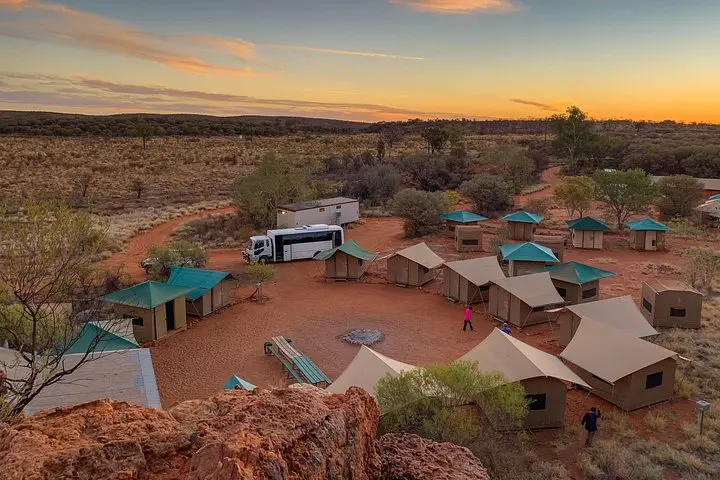
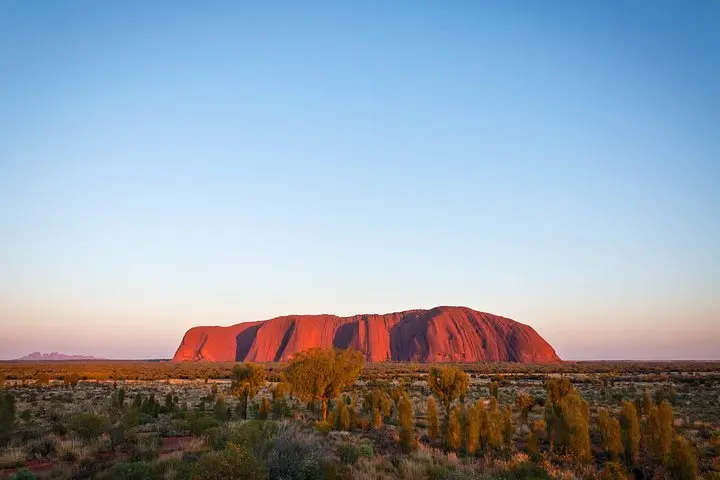
The rhythm of the trip is deliberate—early starts for cool, luminous sunrises at Uluru, slow afternoons to inspect waterholes and shady gullies at Kings Canyon, evenings spent at a powered campsite under a vast, merciless sky. Expect dry scrub, sandy trails, and stretches of exposed rock that demand steady footing. Temperatures swing: baking days and surprisingly cool nights, especially in winter.
Practical edges matter here. Bring sturdy hiking shoes with good grip for the rocky, sometimes loose terrain, and carry 2–3 liters of water on walks—hydration is non-negotiable. Timings are strict: flights should arrive well before midday to make the 1:45 pm pickup in Yulara. Park entry requires an Uluru-Kata Tjuta National Park pass. Camping is comfortable but basic: powered sites and shared facilities, with most meals included after Day 1 (note: Day 1 lunch is not supplied).
If you want quieter moments, sidestep the busiest viewing platforms at dawn and head for the dunes near Kata Tjuta or the walk down into the Garden of Eden at Kings Canyon mid-morning. Respect signage and cultural protocols: many areas are protected for their spiritual significance. With good planning—sun hat, sunscreen, layered clothing, and a realistic respect for the sun—this itinerary compresses the Red Centre into a compact, vivid introduction to Australia’s interior, giving you both the spectacle and the context to appreciate it fully.
Yes. Entry passes are required and can be purchased online or at the park; guides typically arrange passes as part of the tour.
No. The climb was permanently closed in 2019 out of respect for Anangu cultural wishes; visitors are encouraged to do the base walk instead.
Accommodation is powered camping with shared bathroom facilities—comfortable but basic; bring toiletries and any personal items you need.
Most meals are included after Day 1; note that lunch on the first day is not supplied so plan accordingly.
Families can join, but a moderate fitness level is required and long walks may be challenging for very young children—check age policies when booking.
Arrive in Yulara well before 1:00 pm; the guide meets at Desert Gardens Hotel at 1:45 pm. Do not book flights arriving after 1:40 pm or you may miss the tour.
Adventure Tours Australia operates guided outdoor trips and adventures with an emphasis on safety, stewardship, and memorable experiences.
The bus rumbles away from Yulara as the late afternoon sun angles across ochre plains, and the landscape shucks off the last of the day’s heat like armor. By the time you reach Kata Tjuta the domes stand in silhouette—massive, folded rock that seems to breathe. You step onto stony paths where wind and time have carved corridors, and the land immediately feels both ancient and exacting: there’s little between you and the sky.
The bus rumbles away from Yulara as the late afternoon sun angles across ochre plains, and the landscape shucks off the last of the day’s heat like armor. By the time you reach Kata Tjuta the domes stand in silhouette—massive, folded rock that seems to breathe. You step onto stony paths where wind and time have carved corridors, and the land immediately feels both ancient and exacting: there’s little between you and the sky.
This 3-night loop stitches together the Red Centre’s headline acts—Kata Tjuta’s Walpa Gorge and Valley of the Winds, the full 10.6 km Uluru base walk, and the rim of Kings Canyon (the Rim Walk is roughly 6 km). Geologically the region is Old Red: quartzite and sandstone folded and laced with iron, worn into domes, ridges and escarpments over hundreds of millions of years. Culturally the country belongs to the Anangu people; creation stories, rock art and songlines are woven into the very surfaces you’re tracing with your boots. Guides point out sacred sites and, where appropriate, read creation stories that explain why particular rockforms exist.
The rhythm of the trip is deliberate—early starts for cool, luminous sunrises at Uluru, slow afternoons to inspect waterholes and shady gullies at Kings Canyon, evenings spent at a powered campsite under a vast, merciless sky. Expect dry scrub, sandy trails, and stretches of exposed rock that demand steady footing. Temperatures swing: baking days and surprisingly cool nights, especially in winter.
Practical edges matter here. Bring sturdy hiking shoes with good grip for the rocky, sometimes loose terrain, and carry 2–3 liters of water on walks—hydration is non-negotiable. Timings are strict: flights should arrive well before midday to make the 1:45 pm pickup in Yulara. Park entry requires an Uluru-Kata Tjuta National Park pass. Camping is comfortable but basic: powered sites and shared facilities, with most meals included after Day 1 (note: Day 1 lunch is not supplied).
If you want quieter moments, sidestep the busiest viewing platforms at dawn and head for the dunes near Kata Tjuta or the walk down into the Garden of Eden at Kings Canyon mid-morning. Respect signage and cultural protocols: many areas are protected for their spiritual significance. With good planning—sun hat, sunscreen, layered clothing, and a realistic respect for the sun—this itinerary compresses the Red Centre into a compact, vivid introduction to Australia’s interior, giving you both the spectacle and the context to appreciate it fully.