THE ADVENTURE COLLECTIVE® · Independent discovery and booking for outdoor travel

Float over Luxor at sunrise in a hot-air balloon, watch the Nile villages slip by from a sun deck and walk among millennia-old temples on a 3-night cruise between Luxor and Aswan. This compact route pairs big sights—Abu Simbel, Karnak, Valley of the Kings—with practical travel details for first-time Nile cruisers.
Float over Luxor at sunrise in a hot-air balloon, watch the Nile villages slip by from a sun deck and walk among millennia-old temples on a 3-night cruise between Luxor and Aswan. This compact route pairs big sights—Abu Simbel, Karnak, Valley of the Kings—with practical travel details for first-time Nile cruisers.
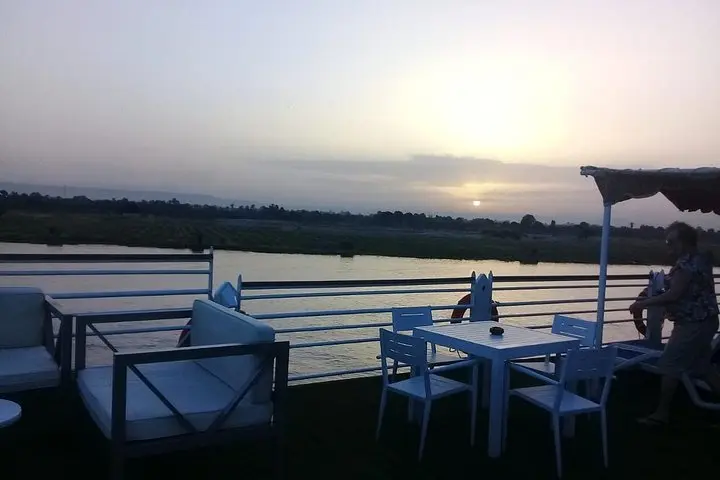
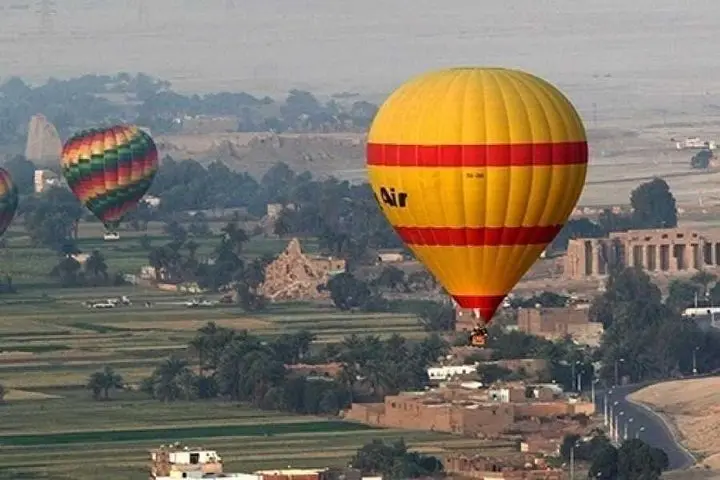
You wake before dawn, the horizon already soft with the Nile’s early light, and the cruise’s low-slung silhouette sits against the river like a moving village. A hot-air balloon inflates nearby, orange fabric bloating as burners puncture the cool air; below, temples and fields slide past in a patchwork of history and small-scale agriculture.
Verified experiences and guided adventures in the surrounding area.
Operated by Here Egypt Tours · Luxor, Luxor Governorate
You wake before dawn, the horizon already soft with the Nile’s early light, and the cruise’s low-slung silhouette sits against the river like a moving village. A hot-air balloon inflates nearby, orange fabric bloating as burners puncture the cool air; below, temples and fields slide past in a patchwork of history and small-scale agriculture.
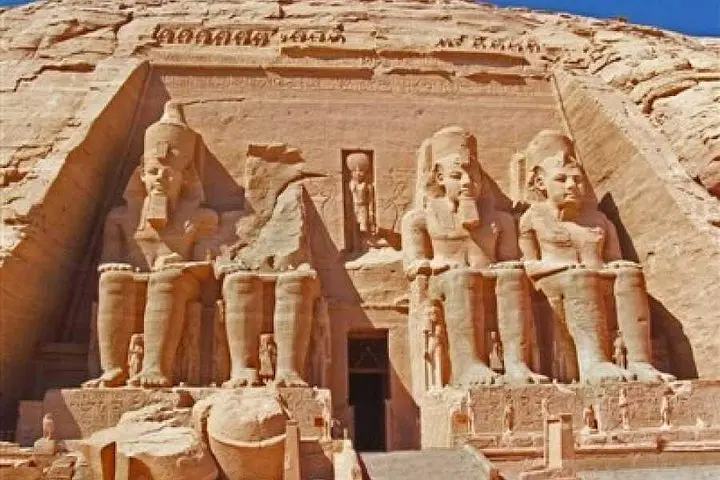
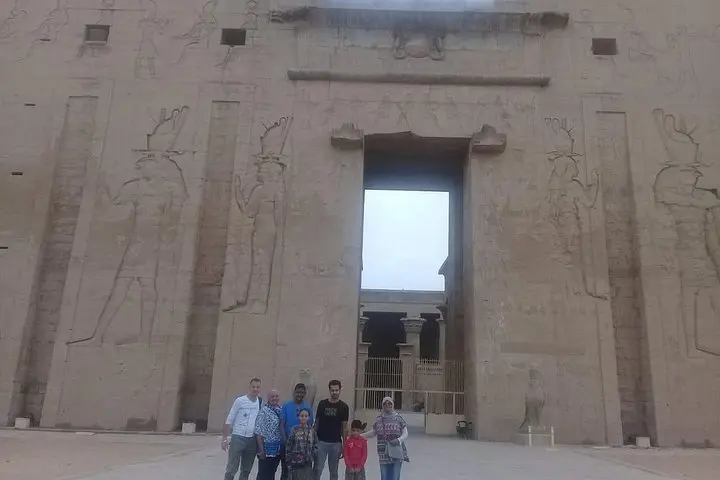
This 3-night Upper Nile itinerary threads Luxor and Aswan’s Pharaonic highlights with slow rivertime: Valley of the Kings, Karnak and Luxor temples, the dual shrine at Kom Ombo and Edfu’s well-preserved Horus temple. Geologically the valley is a fertile ribbon cut through desert rock; many temples are hewn from local Nubian sandstone and siltstone deposited by the Nile over millennia. Culturally you’ll see daily life on the river—feluccas, island farms, and markets—and hear stories from Egyptologists about Ramesses II, Hatshepsut and the labor that shaped these monuments.
Practical notes: travel involves several early starts, short domestic flights and transfers, and a shared early-morning drive to Abu Simbel. Expect comfortable, air-conditioned cabins, buffet meals on board, and guided walks at each site. Carry sun protection, a reusable water bottle, and comfortable walking shoes suitable for uneven temple steps. Balloon flights are weather-dependent—book with flexibility.
Timing tip: sunrise balloon flights and late-afternoon temple light offer the best photos. Respect restricted areas at archaeological sites, follow guide directions, and budget time for customs and airport transfers when flying between Sharm, Luxor and Aswan.
Balloon flights depend on weather and wind conditions; operators may cancel for safety—book early in the trip to allow for rescheduling.
Yes; the itinerary includes flights between Sharm el-Sheikh and Luxor and the return to Sharm as stated in the inclusions.
The cruise and many sites are accessible, but temple and tomb access often involves steps and uneven surfaces—check specific accessibility requirements in advance.
Buffet breakfast and lunch are provided each day and some dinners; check the operator’s itinerary for exact meal counts and any dietary accommodations.
Here Egypt Tours operates guided outdoor trips and adventures with an emphasis on safety, stewardship, and memorable experiences.
You wake before dawn, the horizon already soft with the Nile’s early light, and the cruise’s low-slung silhouette sits against the river like a moving village. A hot-air balloon inflates nearby, orange fabric bloating as burners puncture the cool air; below, temples and fields slide past in a patchwork of history and small-scale agriculture.
You wake before dawn, the horizon already soft with the Nile’s early light, and the cruise’s low-slung silhouette sits against the river like a moving village. A hot-air balloon inflates nearby, orange fabric bloating as burners puncture the cool air; below, temples and fields slide past in a patchwork of history and small-scale agriculture.
This 3-night Upper Nile itinerary threads Luxor and Aswan’s Pharaonic highlights with slow rivertime: Valley of the Kings, Karnak and Luxor temples, the dual shrine at Kom Ombo and Edfu’s well-preserved Horus temple. Geologically the valley is a fertile ribbon cut through desert rock; many temples are hewn from local Nubian sandstone and siltstone deposited by the Nile over millennia. Culturally you’ll see daily life on the river—feluccas, island farms, and markets—and hear stories from Egyptologists about Ramesses II, Hatshepsut and the labor that shaped these monuments.
Practical notes: travel involves several early starts, short domestic flights and transfers, and a shared early-morning drive to Abu Simbel. Expect comfortable, air-conditioned cabins, buffet meals on board, and guided walks at each site. Carry sun protection, a reusable water bottle, and comfortable walking shoes suitable for uneven temple steps. Balloon flights are weather-dependent—book with flexibility.
Timing tip: sunrise balloon flights and late-afternoon temple light offer the best photos. Respect restricted areas at archaeological sites, follow guide directions, and budget time for customs and airport transfers when flying between Sharm, Luxor and Aswan.