THE ADVENTURE COLLECTIVE® · Independent discovery and booking for outdoor travel

A full-day drive from Marrakech into the High Atlas that visits Ourika Valley’s Setti Fatma waterfalls, village viewpoints and Sidi Faress panoramas. It’s a non-technical but active day—great for hikers who want culture, river lunches and classic Atlas views.
A full-day drive from Marrakech into the High Atlas that visits Ourika Valley’s Setti Fatma waterfalls, village viewpoints and Sidi Faress panoramas. It’s a non-technical but active day—great for hikers who want culture, river lunches and classic Atlas views.
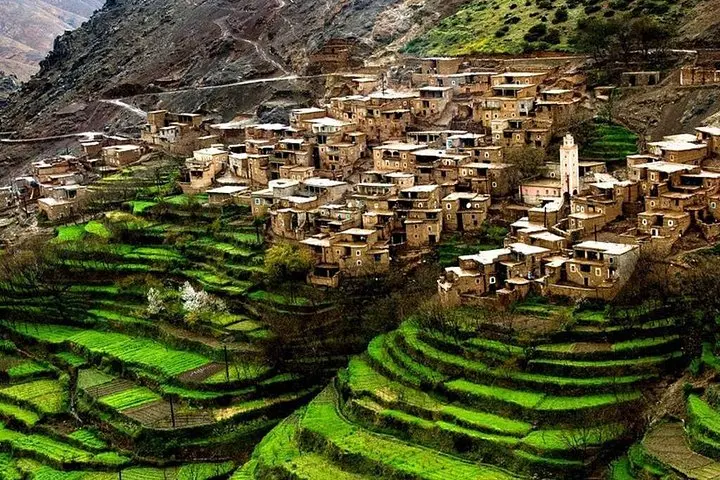
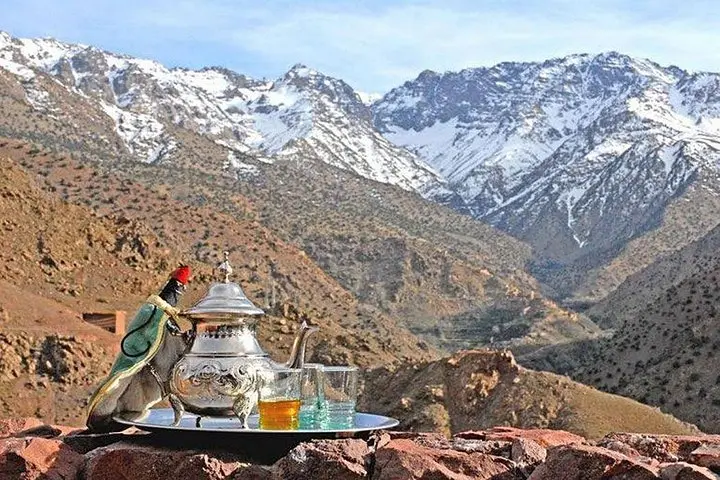
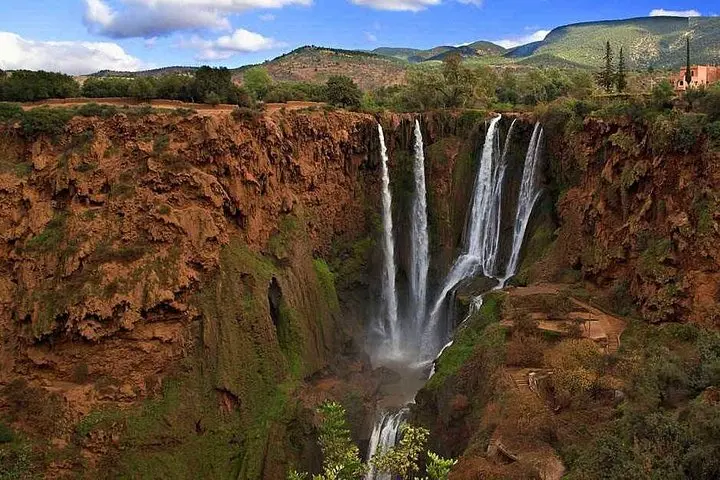
You leave Marrakech behind as the city’s ochre walls shrink, the road yawns open and the High Atlas rises like a rough-hewn rampart ahead. Morning light spills over terraced fields; mint steam from a family breakfast hangs in the valley air. By the river in Setti Fatma, the path slips into oak shade and the seven waterfalls begin to call, each cascade daring you to follow its sound upstream.
Verified experiences and guided adventures in the surrounding area.
Operated by Experience.ma · Setti Fatma, Marrakech-Safi
You leave Marrakech behind as the city’s ochre walls shrink, the road yawns open and the High Atlas rises like a rough-hewn rampart ahead. Morning light spills over terraced fields; mint steam from a family breakfast hangs in the valley air. By the river in Setti Fatma, the path slips into oak shade and the seven waterfalls begin to call, each cascade daring you to follow its sound upstream.
Geology here is immediate—the Atlas is a folded mountain range of ancient sedimentary and volcanic rock uplifted by tectonic collision. Human history is written in low stone houses and terraced plots tended by Amazigh (Berber) families; old mule tracks still stitch villages together. Cultural notes surface naturally: mint tea etiquette, local lunch by the river, and views that include the distinctive Kasbah Tamadot, the luxury outpost owned by Richard Branson near Asni.
The hike to the waterfalls is non-technical but uneven; expect rocky steps and short steeper sections around 1,500 m at Setti Fatma and up toward 2,000 m near Sidi Faress. Plan for about an eight-hour day with a mix of walking, short climbs, and time at viewpoints and waterfalls.
Practical guidance: start early to avoid midday heat, bring a sturdy pair of hiking shoes, and carry at least 1.5–2 liters of water. Cash is useful for tipping guides and buying snacks in villages. Respect private plots, stick to marked paths to limit erosion, and leave no trace—this valley remains a working landscape more than a resort.
The excursion departs from Marrakech; many operators include hotel pickup—confirm your pickup point when booking.
The walk is non-technical but involves uneven, sometimes steep steps; moderate fitness and good footwear are recommended.
Breakfast is served at a homestay and lunch by the river are listed as included—check the booking confirmation for any dietary requests.
Infants are allowed but must sit on laps and be supervised; some walking sections are not stroller-friendly, so plan accordingly.
Experience.ma operates guided outdoor trips and adventures with an emphasis on safety, stewardship, and memorable experiences.
You leave Marrakech behind as the city’s ochre walls shrink, the road yawns open and the High Atlas rises like a rough-hewn rampart ahead. Morning light spills over terraced fields; mint steam from a family breakfast hangs in the valley air. By the river in Setti Fatma, the path slips into oak shade and the seven waterfalls begin to call, each cascade daring you to follow its sound upstream.
You leave Marrakech behind as the city’s ochre walls shrink, the road yawns open and the High Atlas rises like a rough-hewn rampart ahead. Morning light spills over terraced fields; mint steam from a family breakfast hangs in the valley air. By the river in Setti Fatma, the path slips into oak shade and the seven waterfalls begin to call, each cascade daring you to follow its sound upstream.
Geology here is immediate—the Atlas is a folded mountain range of ancient sedimentary and volcanic rock uplifted by tectonic collision. Human history is written in low stone houses and terraced plots tended by Amazigh (Berber) families; old mule tracks still stitch villages together. Cultural notes surface naturally: mint tea etiquette, local lunch by the river, and views that include the distinctive Kasbah Tamadot, the luxury outpost owned by Richard Branson near Asni.
The hike to the waterfalls is non-technical but uneven; expect rocky steps and short steeper sections around 1,500 m at Setti Fatma and up toward 2,000 m near Sidi Faress. Plan for about an eight-hour day with a mix of walking, short climbs, and time at viewpoints and waterfalls.
Practical guidance: start early to avoid midday heat, bring a sturdy pair of hiking shoes, and carry at least 1.5–2 liters of water. Cash is useful for tipping guides and buying snacks in villages. Respect private plots, stick to marked paths to limit erosion, and leave no trace—this valley remains a working landscape more than a resort.