THE ADVENTURE COLLECTIVE® · Independent discovery and booking for outdoor travel

Covering Algiers, Tipaza and Bou Saada in four days, this private tour pairs Roman ruins and colonial landmarks with desert-town craft traditions. Expect full days of walking, coastal views and a deep dive into Algeria’s layered history.
Covering Algiers, Tipaza and Bou Saada in four days, this private tour pairs Roman ruins and colonial landmarks with desert-town craft traditions. Expect full days of walking, coastal views and a deep dive into Algeria’s layered history.
A salt wind from the Bay of Algiers lifts the day's first light over whitewashed facades as you step into a city that feels both Mediterranean and profoundly North African. The tour threads you from Algiers' modern corniche to the pockmarked Roman stones at Tipaza and then southward, where Bou Saada's ochre roofs meet scrubby desert flats.
Verified experiences and guided adventures in the surrounding area.
Operated by ROZA TOUR · Algiers, Algiers Province
A salt wind from the Bay of Algiers lifts the day's first light over whitewashed facades as you step into a city that feels both Mediterranean and profoundly North African. The tour threads you from Algiers' modern corniche to the pockmarked Roman stones at Tipaza and then southward, where Bou Saada's ochre roofs meet scrubby desert flats.
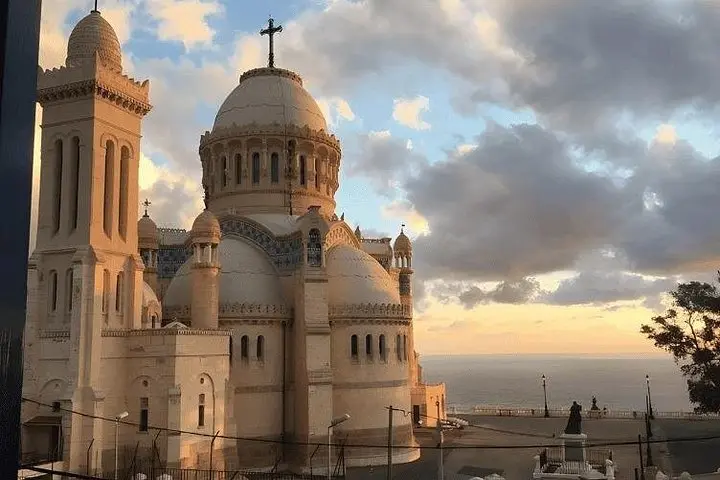
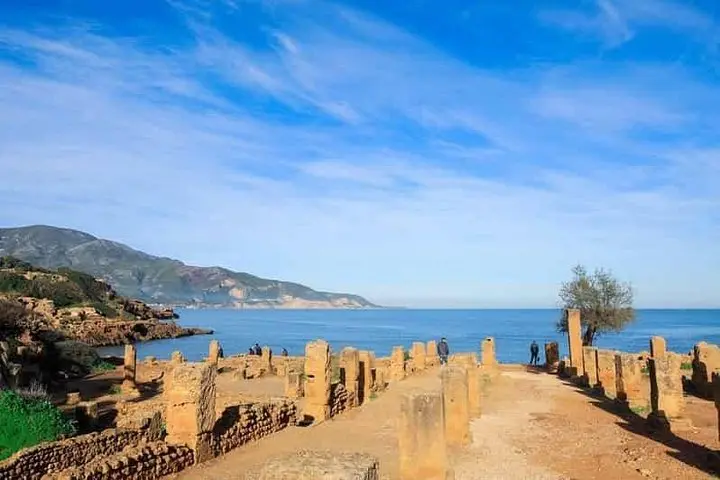
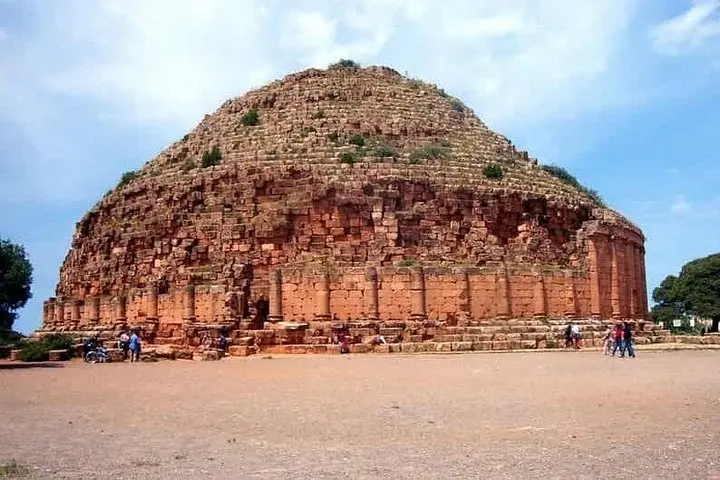
Geology and history are on display: coastal limestone cliffs that shelter Roman forums and amphitheaters, and the Saharan fringe around Bou Saada where wind and time have shaped plateaus and palm-lined oases. The Kasbah of Algiers delivers narrow lanes, Ottoman houses and French-colonial layers; Tipaza’s ruins sit like forumed fragments against the sea, the Royal Mausoleum of Mauretania a lonely circular marker of ancient Mauretanian dynasties.
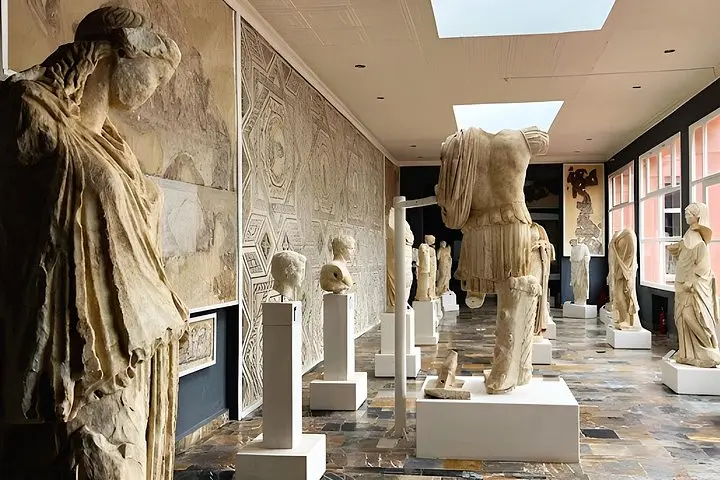
Cultural notes come from museums and markets — the Bardo and the National Museum of the Mujahideen focus on archaeology and the independence struggle, while Bou Saada offers living craft traditions in its souk. Language is Arabic and French; hospitality is direct and pragmatic.
Practical guidance: plan mornings for outdoor sites to avoid heat, wear sturdy shoes for uneven Roman stones, and carry at least 2 liters of water when crossing to Bou Saada. Cash is useful in smaller towns; your private transport and guide simplify intra-day logistics but confirm entry fees and opening hours in advance. Respect local dress norms in religious sites and stay on marked paths at archaeological sites to preserve fragile ruins. The rhythm of this four-day route alternates easy walking with longer drives — it rewards travelers who want a concentrated view of Algeria’s coastline, history, and desert edge.
The tour lists entrance fees as included in its inclusions, but confirm specific sites with the operator when booking.
The itinerary is rated physically easy to moderate; children and older travelers can participate but should be comfortable with walking on uneven terrain and several hours of transit.
Private transportation is provided for the full tour, covering transfers between Algiers, Tipaza and Bou Saada with drop-off at the original pickup point.
Visa and vaccination requirements depend on your nationality; check with Algerian consular services and consult a travel clinic well before departure.
ROZA TOUR operates guided outdoor trips and adventures with an emphasis on safety, stewardship, and memorable experiences.
A salt wind from the Bay of Algiers lifts the day's first light over whitewashed facades as you step into a city that feels both Mediterranean and profoundly North African. The tour threads you from Algiers' modern corniche to the pockmarked Roman stones at Tipaza and then southward, where Bou Saada's ochre roofs meet scrubby desert flats.
A salt wind from the Bay of Algiers lifts the day's first light over whitewashed facades as you step into a city that feels both Mediterranean and profoundly North African. The tour threads you from Algiers' modern corniche to the pockmarked Roman stones at Tipaza and then southward, where Bou Saada's ochre roofs meet scrubby desert flats.
Geology and history are on display: coastal limestone cliffs that shelter Roman forums and amphitheaters, and the Saharan fringe around Bou Saada where wind and time have shaped plateaus and palm-lined oases. The Kasbah of Algiers delivers narrow lanes, Ottoman houses and French-colonial layers; Tipaza’s ruins sit like forumed fragments against the sea, the Royal Mausoleum of Mauretania a lonely circular marker of ancient Mauretanian dynasties.
Cultural notes come from museums and markets — the Bardo and the National Museum of the Mujahideen focus on archaeology and the independence struggle, while Bou Saada offers living craft traditions in its souk. Language is Arabic and French; hospitality is direct and pragmatic.
Practical guidance: plan mornings for outdoor sites to avoid heat, wear sturdy shoes for uneven Roman stones, and carry at least 2 liters of water when crossing to Bou Saada. Cash is useful in smaller towns; your private transport and guide simplify intra-day logistics but confirm entry fees and opening hours in advance. Respect local dress norms in religious sites and stay on marked paths at archaeological sites to preserve fragile ruins. The rhythm of this four-day route alternates easy walking with longer drives — it rewards travelers who want a concentrated view of Algeria’s coastline, history, and desert edge.