THE ADVENTURE COLLECTIVE® · Independent discovery and booking for outdoor travel

Cross the Rio Negro and spend four days living with river communities, fishing for piranhas, camping in hammocks, and learning jungle skills from local guides. This compact Amazon circuit balances wildlife watching with cultural encounters and hands-on learning.
Cross the Rio Negro and spend four days living with river communities, fishing for piranhas, camping in hammocks, and learning jungle skills from local guides. This compact Amazon circuit balances wildlife watching with cultural encounters and hands-on learning.
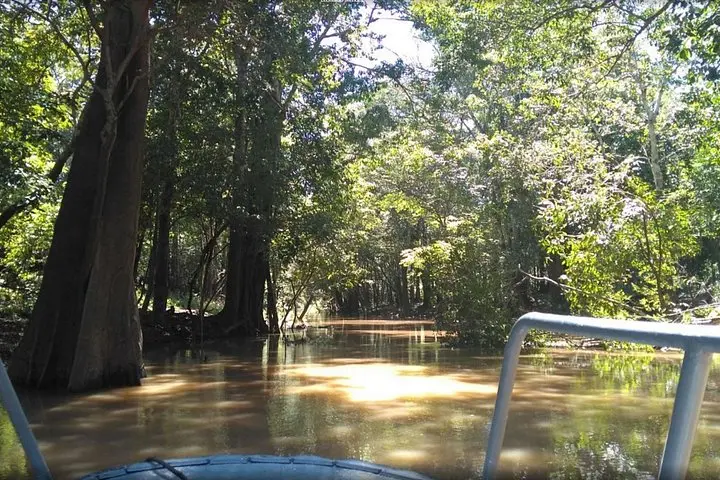
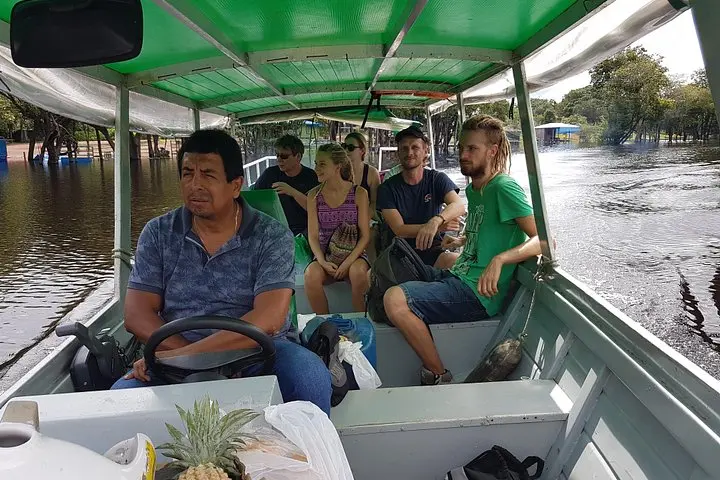
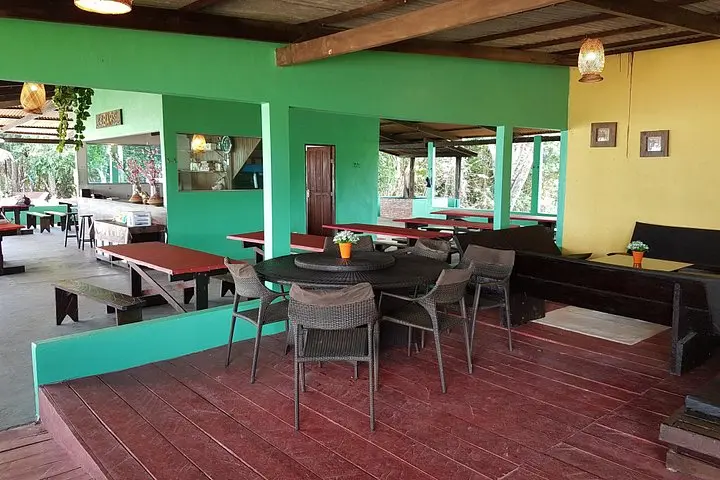
The speedboat nudges away from Manaus and the Rio Negro dares you with its tea-colored current; within an hour the city’s skyline is a memory and the rainforest closes in like a living wall. By mid-day you arrive at a rustic lodge reached by motorized canoe and the day tilts toward exploration—piranha fishing at dusk, a nocturnal caiman-spotting run, and the low, persistent chorus of insects and birds.
Verified experiences and guided adventures in the surrounding area.
Operated by Amazing Tours Agency · Manaus, Amazonas
The speedboat nudges away from Manaus and the Rio Negro dares you with its tea-colored current; within an hour the city’s skyline is a memory and the rainforest closes in like a living wall. By mid-day you arrive at a rustic lodge reached by motorized canoe and the day tilts toward exploration—piranha fishing at dusk, a nocturnal caiman-spotting run, and the low, persistent chorus of insects and birds.
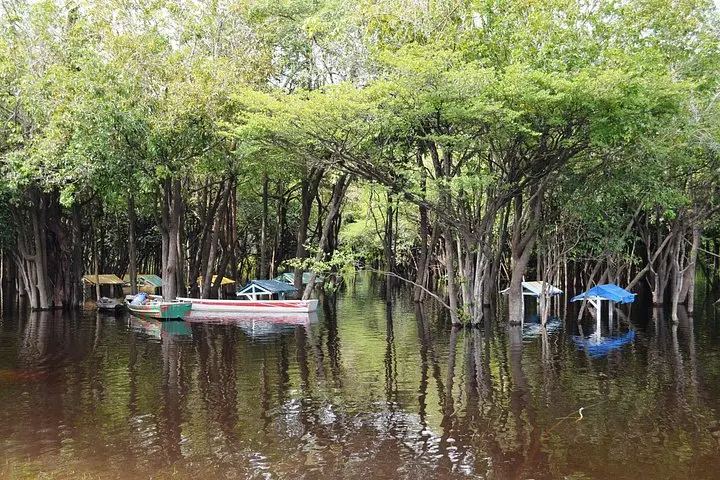
This route runs through the upper Rio Negro basin, an area shaped by slow-moving blackwater rivers that deposit tannins and foster igapó and várzea forest types. The human history is equally layered: Caboclo river communities combine Indigenous and colonial traditions, and Manaus’ rubber-boom wealth still echoes in riverine trade routes and steamboat lore.
Guides teach practical jungle knowledge—medicinal plants, sustainable foraging and local farming techniques—while evenings at the lodge expose visitors to Caboclo hospitality. Geology here is subtle: ancient Precambrian shields underlie nutrient-poor soils, which is why the river and flood cycles dictate life more than the ground itself.
Practical guidance: expect basic lodge rooms without air conditioning and at least one night camping in a hammock (bring or buy a hammock mosquito net). Walks are typically 2–3 hours on muddy, rooty trails; gentle fitness and steady shoes are required. Bring layered, quick-dry clothing, high-coverage insect protection, and a small dry bag for electronics. Timing matters—water levels change which affects canoe routes and wildlife sightings—so follow your guide’s advice and pack patience alongside your gear.
Hotel pickup in Manaus is included—meeting times are typically in the morning with transfer by speedboat and vehicle to the lodge.
No, sleeping in the jungle is optional; the itinerary offers a lodge night alternative and camping requires a hammock net.
Yes—three dinners, four lunches and three breakfasts are included, along with bottled water during the tour.
Children may join when accompanied by adults; the tour provider advises that pregnant travelers and those with serious heart conditions avoid the trip.
Amazing Tours Agency operates guided outdoor trips and adventures with an emphasis on safety, stewardship, and memorable experiences.
The speedboat nudges away from Manaus and the Rio Negro dares you with its tea-colored current; within an hour the city’s skyline is a memory and the rainforest closes in like a living wall. By mid-day you arrive at a rustic lodge reached by motorized canoe and the day tilts toward exploration—piranha fishing at dusk, a nocturnal caiman-spotting run, and the low, persistent chorus of insects and birds.
The speedboat nudges away from Manaus and the Rio Negro dares you with its tea-colored current; within an hour the city’s skyline is a memory and the rainforest closes in like a living wall. By mid-day you arrive at a rustic lodge reached by motorized canoe and the day tilts toward exploration—piranha fishing at dusk, a nocturnal caiman-spotting run, and the low, persistent chorus of insects and birds.
This route runs through the upper Rio Negro basin, an area shaped by slow-moving blackwater rivers that deposit tannins and foster igapó and várzea forest types. The human history is equally layered: Caboclo river communities combine Indigenous and colonial traditions, and Manaus’ rubber-boom wealth still echoes in riverine trade routes and steamboat lore.
Guides teach practical jungle knowledge—medicinal plants, sustainable foraging and local farming techniques—while evenings at the lodge expose visitors to Caboclo hospitality. Geology here is subtle: ancient Precambrian shields underlie nutrient-poor soils, which is why the river and flood cycles dictate life more than the ground itself.
Practical guidance: expect basic lodge rooms without air conditioning and at least one night camping in a hammock (bring or buy a hammock mosquito net). Walks are typically 2–3 hours on muddy, rooty trails; gentle fitness and steady shoes are required. Bring layered, quick-dry clothing, high-coverage insect protection, and a small dry bag for electronics. Timing matters—water levels change which affects canoe routes and wildlife sightings—so follow your guide’s advice and pack patience alongside your gear.