THE ADVENTURE COLLECTIVE® · Independent discovery and booking for outdoor travel

Four days of river travel, jungle hikes and night excursions inside Pacaya‑Samiria Reserve. See pink and gray river dolphins, piranha fishing, and guided nocturnal navigation from an expedition base camp.
Four days of river travel, jungle hikes and night excursions inside Pacaya‑Samiria Reserve. See pink and gray river dolphins, piranha fishing, and guided nocturnal navigation from an expedition base camp.
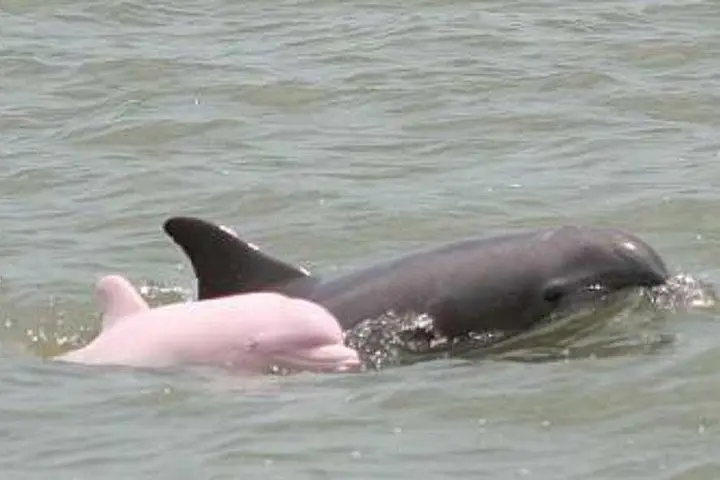
The boat cuts through the brown current before dawn, the river daring you forward as anvil clouds lift off the canopy. You leave Iquitos by road, cross to Nauta, then ride three hours by motorboat into the braided waterways of Pacaya‑Samiria. Pink and gray dolphins surface like punctuation marks; herons stalk shallows while the forest exhales humidity and the distant call of monkeys punctures the air.
Verified experiences and guided adventures in the surrounding area.
Operated by Orlando CUEVA FLORES · Iquitos, Loreto
The boat cuts through the brown current before dawn, the river daring you forward as anvil clouds lift off the canopy. You leave Iquitos by road, cross to Nauta, then ride three hours by motorboat into the braided waterways of Pacaya‑Samiria. Pink and gray dolphins surface like punctuation marks; herons stalk shallows while the forest exhales humidity and the distant call of monkeys punctures the air.
Pacaya‑Samiria is one of Peru’s largest protected floodplain reserves, created to protect the várzea wetlands where river dynamics sculpt oxbow lakes, levees, and seasonally flooded forest. Geology here is river-driven rather than mountainous—silt and seasonal pulses build islands and isolate lakes, concentrating wildlife in slow channels. Culturally, small riverside communities maintain rivercraft skills and traditional uses of medicinal plants, knowledge you’ll glimpse on guided walks.
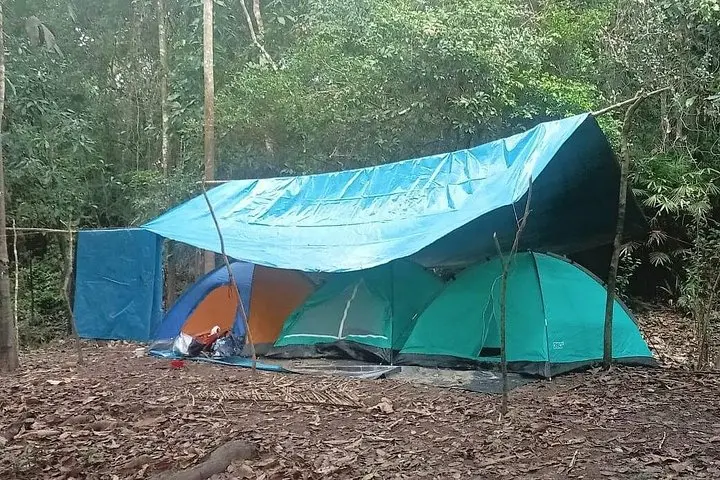
Expect a practical rhythm: long boat transfers (3 hours typical), a 25‑minute hop to Lake Irquez de Huaylla, daytime jungle walks in primary forest, piranha fishing, and nightly boat runs to spot caimans and nocturnal insects. Accommodation is basic expedition camping at a riverside base camp with provided rubber boots and tents.
Prepare for mud, mosquitoes, and long, sunny stretches on deck. Hydrate, layer for heat and rainy squalls, and carry a reliable headlamp for night excursions. Respect wildlife viewing rules—no feeding dolphins, keep distance from nesting sites, and let local guides lead jungle navigation. This is an immersive, hands‑on Amazon experience: sensory, sometimes wet and tiring, but unmatched for up‑close wildlife encounters and practical insight into riverine life.
The tour is rated accessible for most fitness levels but involves long boat journeys, basic jungle hikes of a few hours, and standing on wet, uneven ground—comfortable walking fitness is recommended.
Yellow fever vaccination is recommended by operators; tetanus and routine immunizations should also be up to date—check with your health provider before travel.
Sightings are common but not guaranteed; guides target habitats where pink and gray river dolphins and caimans concentrate, especially during the dry season when animals are easier to spot.
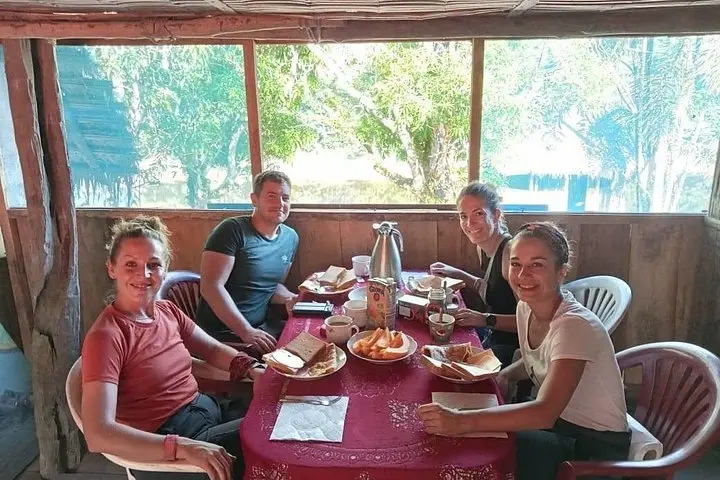
Accommodation is expedition‑style at a riverside base camp with tented or simple cabins, basic meals included, and shared facilities—expect rustic but organized logistics.
Orlando CUEVA FLORES operates guided outdoor trips and adventures with an emphasis on safety, stewardship, and memorable experiences.
The boat cuts through the brown current before dawn, the river daring you forward as anvil clouds lift off the canopy. You leave Iquitos by road, cross to Nauta, then ride three hours by motorboat into the braided waterways of Pacaya‑Samiria. Pink and gray dolphins surface like punctuation marks; herons stalk shallows while the forest exhales humidity and the distant call of monkeys punctures the air.
The boat cuts through the brown current before dawn, the river daring you forward as anvil clouds lift off the canopy. You leave Iquitos by road, cross to Nauta, then ride three hours by motorboat into the braided waterways of Pacaya‑Samiria. Pink and gray dolphins surface like punctuation marks; herons stalk shallows while the forest exhales humidity and the distant call of monkeys punctures the air.
Pacaya‑Samiria is one of Peru’s largest protected floodplain reserves, created to protect the várzea wetlands where river dynamics sculpt oxbow lakes, levees, and seasonally flooded forest. Geology here is river-driven rather than mountainous—silt and seasonal pulses build islands and isolate lakes, concentrating wildlife in slow channels. Culturally, small riverside communities maintain rivercraft skills and traditional uses of medicinal plants, knowledge you’ll glimpse on guided walks.
Expect a practical rhythm: long boat transfers (3 hours typical), a 25‑minute hop to Lake Irquez de Huaylla, daytime jungle walks in primary forest, piranha fishing, and nightly boat runs to spot caimans and nocturnal insects. Accommodation is basic expedition camping at a riverside base camp with provided rubber boots and tents.
Prepare for mud, mosquitoes, and long, sunny stretches on deck. Hydrate, layer for heat and rainy squalls, and carry a reliable headlamp for night excursions. Respect wildlife viewing rules—no feeding dolphins, keep distance from nesting sites, and let local guides lead jungle navigation. This is an immersive, hands‑on Amazon experience: sensory, sometimes wet and tiring, but unmatched for up‑close wildlife encounters and practical insight into riverine life.