THE ADVENTURE COLLECTIVE® · Independent discovery and booking for outdoor travel

A compact four-day circuit from Nairobi that links Amboseli’s Kilimanjaro vistas with Tsavo West’s Mzima Springs and the wide plains of Tsavo East. Expect early game drives, lodge and tented-camp nights, and sustained wildlife viewing with cultural stops.
A compact four-day circuit from Nairobi that links Amboseli’s Kilimanjaro vistas with Tsavo West’s Mzima Springs and the wide plains of Tsavo East. Expect early game drives, lodge and tented-camp nights, and sustained wildlife viewing with cultural stops.
Dawn light slices across the flat of Amboseli and Mount Kilimanjaro’s summit catches the first glow — the safari begins in that cool, electric hour when elephants cross the plain and the land smells of dust and scrub.
Verified experiences and guided adventures in the surrounding area.
Operated by Africa Tours · Amboseli National Park, Kajiado County
Dawn light slices across the flat of Amboseli and Mount Kilimanjaro’s summit catches the first glow — the safari begins in that cool, electric hour when elephants cross the plain and the land smells of dust and scrub.
Over four days the route moves from Amboseli’s low-lying plains beneath the volcanic massif, through the hilly lava flows and acacia-studded ridges of Tsavo West, past the clear lenses of Mzima Springs, and into the wide, elephant-rich plains of Tsavo East. Amboseli is fed by runoff and volcanic soils tied to Kilimanjaro’s geology; Tsavo’s landscapes are older basalt and granite shaped by erosion and seasonal rivers.
Culturally the region is Masai country — many tours include respectful visits to villages to learn about pastoral life. Conservation history here mixes colonial-era hunting reserves with modern national-park protections; today tourism fees help anti-poaching and habitat work.
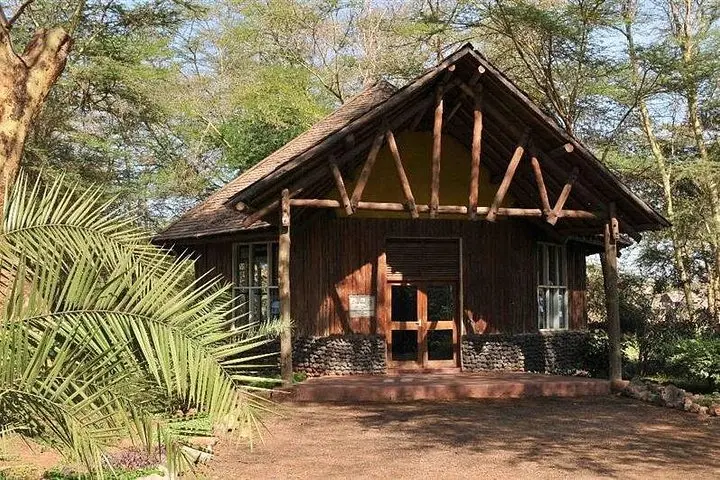
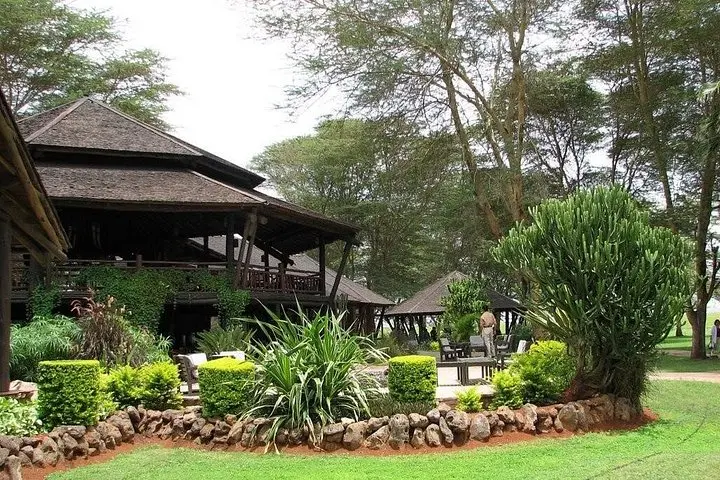
Practically, expect long drives between parks (several hours each day), early-morning and late-afternoon game drives when animals are most active, lodge and tented-camp nights, and guided drives in open 4x4 vehicles. Bring layered clothing for temperature swings, binoculars and a long lens for photography, and prepare for basic but comfortable lodge amenities. Hydration, sun protection and patience during game sightings pay dividends: animals don’t adhere to a schedule but the guides know where to look. Tipping for guides, park fees and park regulations are enforced; follow your guide’s instructions for safety around wildlife.
Expect several hours of driving on transfer days — Nairobi to Amboseli ~4–5 hours by road, and similar multi-hour transfers between parks; guides schedule wildlife stops en route.
This itinerary includes breakfasts, lunches and dinners listed and bottled water; park entry fees are typically included in packaged safaris but confirm on booking.
The tour notes it’s suitable for most fitness levels; children can ride but infants may be required to sit on laps — check access needs with the operator for vehicle and lodge accessibility.
Standard travel health advice applies (yellow fever certificate may be required depending on origin); consult a travel clinic for malaria prevention and up-to-date vaccinations prior to travel.
Africa Tours operates guided outdoor trips and adventures with an emphasis on safety, stewardship, and memorable experiences.

Dawn light slices across the flat of Amboseli and Mount Kilimanjaro’s summit catches the first glow — the safari begins in that cool, electric hour when elephants cross the plain and the land smells of dust and scrub.
Dawn light slices across the flat of Amboseli and Mount Kilimanjaro’s summit catches the first glow — the safari begins in that cool, electric hour when elephants cross the plain and the land smells of dust and scrub.
Over four days the route moves from Amboseli’s low-lying plains beneath the volcanic massif, through the hilly lava flows and acacia-studded ridges of Tsavo West, past the clear lenses of Mzima Springs, and into the wide, elephant-rich plains of Tsavo East. Amboseli is fed by runoff and volcanic soils tied to Kilimanjaro’s geology; Tsavo’s landscapes are older basalt and granite shaped by erosion and seasonal rivers.
Culturally the region is Masai country — many tours include respectful visits to villages to learn about pastoral life. Conservation history here mixes colonial-era hunting reserves with modern national-park protections; today tourism fees help anti-poaching and habitat work.
Practically, expect long drives between parks (several hours each day), early-morning and late-afternoon game drives when animals are most active, lodge and tented-camp nights, and guided drives in open 4x4 vehicles. Bring layered clothing for temperature swings, binoculars and a long lens for photography, and prepare for basic but comfortable lodge amenities. Hydration, sun protection and patience during game sightings pay dividends: animals don’t adhere to a schedule but the guides know where to look. Tipping for guides, park fees and park regulations are enforced; follow your guide’s instructions for safety around wildlife.