THE ADVENTURE COLLECTIVE® · Independent discovery and booking for outdoor travel

An intensive four-day circuit through Angkor’s core temples, jungle-temples and Tonle Sap’s floating villages. Expect long walking days, early starts for sunrise, and a close look at Khmer history and contemporary lakeside life.
An intensive four-day circuit through Angkor’s core temples, jungle-temples and Tonle Sap’s floating villages. Expect long walking days, early starts for sunrise, and a close look at Khmer history and contemporary lakeside life.
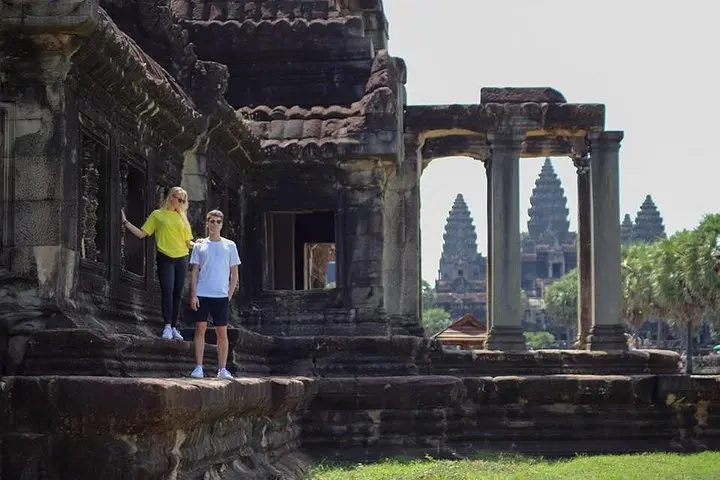
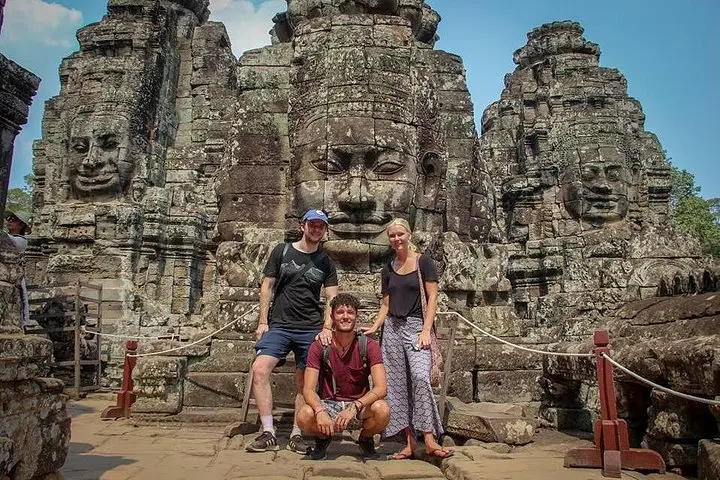
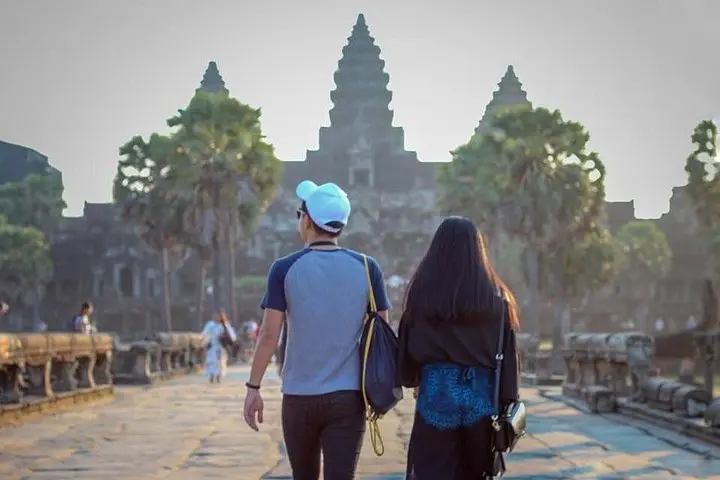
Before dawn the reflection pools at Angkor Wat are a mirror with a pulse — tuk-tuks arrive, guides adjust headlamps, and the stone faces hold the first light like memory. Over four days this itinerary moves from the carved galleries of Angkor Thom to the jungle-engulfed corridors of Beng Mealea, then outward to Koh Ker's pyramid and the floating villages of Tonle Sap.
Verified experiences and guided adventures in the surrounding area.
Operated by Sightseeing Cambodia · Siem Reap, Siem Reap Province
Before dawn the reflection pools at Angkor Wat are a mirror with a pulse — tuk-tuks arrive, guides adjust headlamps, and the stone faces hold the first light like memory. Over four days this itinerary moves from the carved galleries of Angkor Thom to the jungle-engulfed corridors of Beng Mealea, then outward to Koh Ker's pyramid and the floating villages of Tonle Sap.
These sites span nearly a millennium of Khmer statecraft. Angkor Wat began as a 12th‑century Vishnu temple and evolved into a living Buddhist complex; Jayavarman VII stamped the landscape around Angkor Thom and Ta Prohm with Buddhist iconography and bayon faces. Geologically these monuments are built of sandstone and laterite — blocks carved, stacked, and weathered by monsoon rains and tropical vegetation that constantly nudges the ruins back toward wilderness.
Local culture remains hands-on: Siem Reap guides balance temple lore with daily life at Kampong Phluk, where stilt houses rise and fall with the lake. Tonle Sap’s currents dare boats to read seasonal change — wet season inundation creates one of Southeast Asia’s most productive fisheries.
Practical guidance: start very early for sunrise views and the coolest hours; wear lightweight clothing that covers shoulders and knees for temple etiquette; bring cash for village stalls and temple fees; and expect long days with uneven steps and roots. Hydrate often, use a sun hat, and move with a guide who knows quieter routes like Preah Khan or Neak Pean if crowds matter. This tour is ideal for travelers who want concentrated history, active walking, and a look at rural lake life without rough camping.
An Angkor Pass is required for Angkor Park and is not included by default; passes are purchased at the park ticket center (1‑3 day options). Your guide can advise on process and timing.
Typical sunrise pickups are around 4:30–5:00am depending on your hotel location; the tour lists an early pickup for day two specifically for Angkor Wat sunrise.
Children can do the tour but expect long days; travelers with limited mobility should discuss accessibility with the operator because many temples have steep steps and uneven terrain.
Plan on cash for 3–4 meals outside of included stops, boat fares at Tonle Sap, and tips—roughly $50–100 per person for incidentals over four days depending on dining choices.
Sightseeing Cambodia operates guided outdoor trips and adventures with an emphasis on safety, stewardship, and memorable experiences.

Before dawn the reflection pools at Angkor Wat are a mirror with a pulse — tuk-tuks arrive, guides adjust headlamps, and the stone faces hold the first light like memory. Over four days this itinerary moves from the carved galleries of Angkor Thom to the jungle-engulfed corridors of Beng Mealea, then outward to Koh Ker's pyramid and the floating villages of Tonle Sap.
Before dawn the reflection pools at Angkor Wat are a mirror with a pulse — tuk-tuks arrive, guides adjust headlamps, and the stone faces hold the first light like memory. Over four days this itinerary moves from the carved galleries of Angkor Thom to the jungle-engulfed corridors of Beng Mealea, then outward to Koh Ker's pyramid and the floating villages of Tonle Sap.
These sites span nearly a millennium of Khmer statecraft. Angkor Wat began as a 12th‑century Vishnu temple and evolved into a living Buddhist complex; Jayavarman VII stamped the landscape around Angkor Thom and Ta Prohm with Buddhist iconography and bayon faces. Geologically these monuments are built of sandstone and laterite — blocks carved, stacked, and weathered by monsoon rains and tropical vegetation that constantly nudges the ruins back toward wilderness.
Local culture remains hands-on: Siem Reap guides balance temple lore with daily life at Kampong Phluk, where stilt houses rise and fall with the lake. Tonle Sap’s currents dare boats to read seasonal change — wet season inundation creates one of Southeast Asia’s most productive fisheries.
Practical guidance: start very early for sunrise views and the coolest hours; wear lightweight clothing that covers shoulders and knees for temple etiquette; bring cash for village stalls and temple fees; and expect long days with uneven steps and roots. Hydrate often, use a sun hat, and move with a guide who knows quieter routes like Preah Khan or Neak Pean if crowds matter. This tour is ideal for travelers who want concentrated history, active walking, and a look at rural lake life without rough camping.