THE ADVENTURE COLLECTIVE® · Independent discovery and booking for outdoor travel

Glide between Aswan and Luxor on a four-day Nile cruise that pairs rivertime relaxation with visits to Abu Simbel, Kom Ombo, Edfu and Luxor’s great temples. Expect early starts, guided temple walks, and a compact cultural sweep of ancient Egypt.
Glide between Aswan and Luxor on a four-day Nile cruise that pairs rivertime relaxation with visits to Abu Simbel, Kom Ombo, Edfu and Luxor’s great temples. Expect early starts, guided temple walks, and a compact cultural sweep of ancient Egypt.
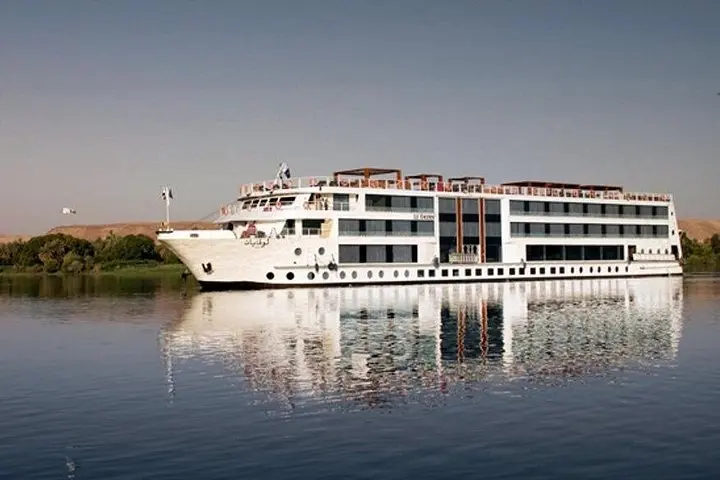
The Nile widens into a slow, reflective ribbon as you slide away from Aswan—gold light on mud-brick villages, date palms leaning like watchful hands. On deck, the river moves with intention: it carries centuries of trade, worship, and irrigation downstream while the cruise's engines hold a steady, civilized pace.
Verified experiences and guided adventures in the surrounding area.
Operated by Book Egypt Tours · Aswan, Aswan Governorate
The Nile widens into a slow, reflective ribbon as you slide away from Aswan—gold light on mud-brick villages, date palms leaning like watchful hands. On deck, the river moves with intention: it carries centuries of trade, worship, and irrigation downstream while the cruise's engines hold a steady, civilized pace.
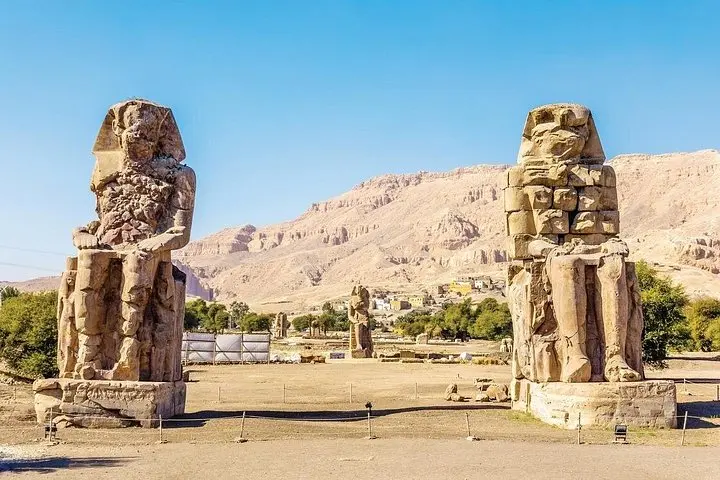
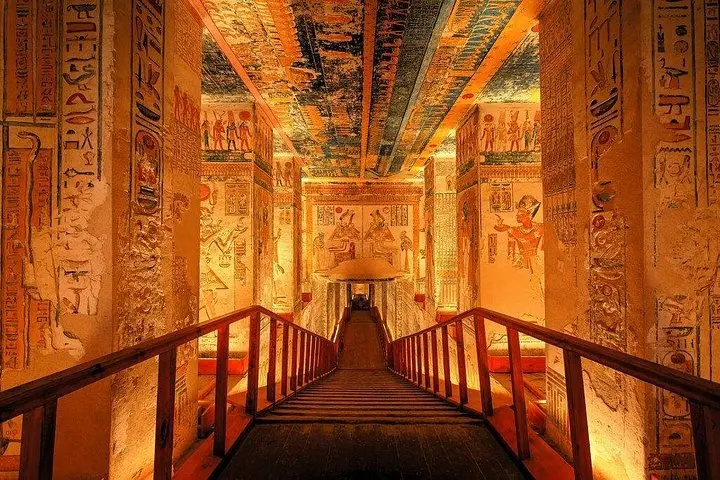
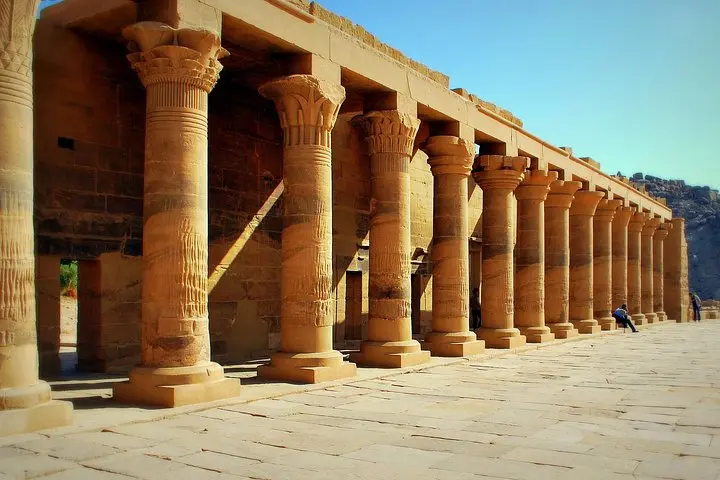
This four-day itinerary threads key New Kingdom and Ptolemaic sites: Philae’s relocated temples dedicated to Isis, the colossal rock-cut faces of Abu Simbel carved by Ramses II, the dual sanctuaries of Kom Ombo, the well-preserved Ptolemaic shrine at Edfu, and Luxor’s temples and royal valley on the west bank. Geology here is obvious—the Nile has cut a narrow fertile ribbon through Paleogene and Neogene sedimentary terraces, and many temple complexes exploit the resilient limestone and sandstone outcrops along the river’s edge. Culturally, expect a mash-up of Pharaonic engineering, Greco-Roman inscriptions, and living Nubian communities clustered near Aswan.
Practical guidance: plan early starts for Abu Simbel (light is best in the morning), carry local currency for site entry and tips, and factor in short guided walks on uneven stone and sand. Mornings and evenings on deck offer the coolest viewing; mid-day in summer is intensely hot. The cruise includes accommodation, most meals, private transfers and an Egyptologist guide, but admissions are commonly extra—confirm when you book. Bring breathable layers, sturdy walking shoes, sun protection, and a refillable bottle; the Nile will tempt you to slow your pace, but the temples will demand your attention.
Entrance fees are commonly not included—confirm with the operator before booking. Many travelers buy tickets on arrival or add them to the tour package.
This itinerary typically operates from Aswan and proceeds north toward Luxor over four days, with hotel or airport pickup in Aswan provided on embarkation day.
The cruise itself is accessible, but many temple sites involve steps, narrow passageways and uneven ground; travelers with serious mobility or spinal/heart issues should check specific accessibility and consider assistance.
Winter (November–March) and shoulder seasons (March–April, October–November) offer milder temperatures and more comfortable sightseeing conditions.
Book Egypt Tours operates guided outdoor trips and adventures with an emphasis on safety, stewardship, and memorable experiences.
The Nile widens into a slow, reflective ribbon as you slide away from Aswan—gold light on mud-brick villages, date palms leaning like watchful hands. On deck, the river moves with intention: it carries centuries of trade, worship, and irrigation downstream while the cruise's engines hold a steady, civilized pace.
The Nile widens into a slow, reflective ribbon as you slide away from Aswan—gold light on mud-brick villages, date palms leaning like watchful hands. On deck, the river moves with intention: it carries centuries of trade, worship, and irrigation downstream while the cruise's engines hold a steady, civilized pace.
This four-day itinerary threads key New Kingdom and Ptolemaic sites: Philae’s relocated temples dedicated to Isis, the colossal rock-cut faces of Abu Simbel carved by Ramses II, the dual sanctuaries of Kom Ombo, the well-preserved Ptolemaic shrine at Edfu, and Luxor’s temples and royal valley on the west bank. Geology here is obvious—the Nile has cut a narrow fertile ribbon through Paleogene and Neogene sedimentary terraces, and many temple complexes exploit the resilient limestone and sandstone outcrops along the river’s edge. Culturally, expect a mash-up of Pharaonic engineering, Greco-Roman inscriptions, and living Nubian communities clustered near Aswan.
Practical guidance: plan early starts for Abu Simbel (light is best in the morning), carry local currency for site entry and tips, and factor in short guided walks on uneven stone and sand. Mornings and evenings on deck offer the coolest viewing; mid-day in summer is intensely hot. The cruise includes accommodation, most meals, private transfers and an Egyptologist guide, but admissions are commonly extra—confirm when you book. Bring breathable layers, sturdy walking shoes, sun protection, and a refillable bottle; the Nile will tempt you to slow your pace, but the temples will demand your attention.