THE ADVENTURE COLLECTIVE® · Independent discovery and booking for outdoor travel

Sail four days along the Upper Nile from Aswan to Luxor, visiting Abu Simbel, Kom Ombo, Edfu, and Luxor’s iconic temples. This full-board, 5-star cruise mixes relaxed river travel with guided visits to Egypt’s best-known pharaonic sites.
Sail four days along the Upper Nile from Aswan to Luxor, visiting Abu Simbel, Kom Ombo, Edfu, and Luxor’s iconic temples. This full-board, 5-star cruise mixes relaxed river travel with guided visits to Egypt’s best-known pharaonic sites.
The cruise slips away from Aswan at midday, deck chairs angling toward a low, golden bank. Palm trees and mudbrick villages slide by like frames from another era while the ship hums a steady, reassuring engine-song. On this four-day run upriver you trade the jitter of roads for minutes measured by shoreline—villagers at wells, fishermen casting thin nets, the occasional white flash of a heron.
Verified experiences and guided adventures in the surrounding area.
Operated by Egypt Gift Tours · Aswan, Aswan Governorate
The cruise slips away from Aswan at midday, deck chairs angling toward a low, golden bank. Palm trees and mudbrick villages slide by like frames from another era while the ship hums a steady, reassuring engine-song. On this four-day run upriver you trade the jitter of roads for minutes measured by shoreline—villagers at wells, fishermen casting thin nets, the occasional white flash of a heron.
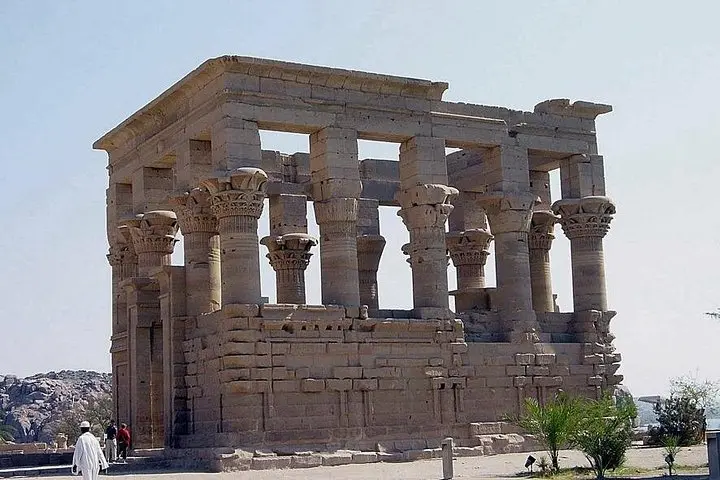
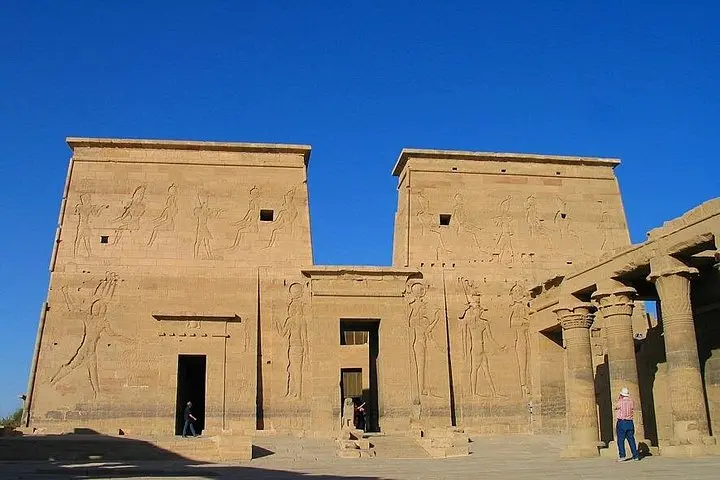
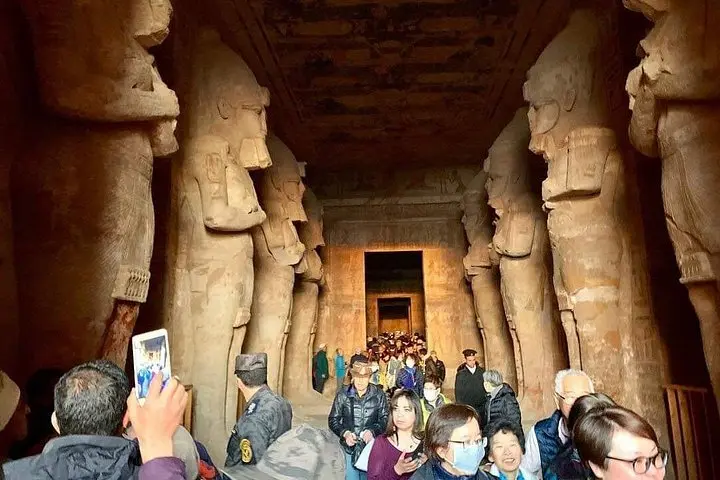
This voyage threads modern Egypt with pharaonic remains: the 1960 High Dam that reshaped the Nile, the island shrine of Philae, Edfu’s intact Temple of Horus, and Kom Ombo’s dual sanctuary. The itinerary includes a long pre-dawn return trip to Abu Simbel (about 285 km from Aswan) to stand beneath Ramesses II’s carved colossi, then finishes amid the temples and tombs of Luxor—Karnak, Hatshepsut, and the Valley of the Kings.
Geology here is simple and stark: the river cuts through Nubian sandstone and alluvial flats, and the monuments perch where bedrock met water and offered shelter for tombs and temples. Culturally, expect lively evenings on board—folk shows, galabeya nights—and English-speaking Egyptology guides who narrate the sites.
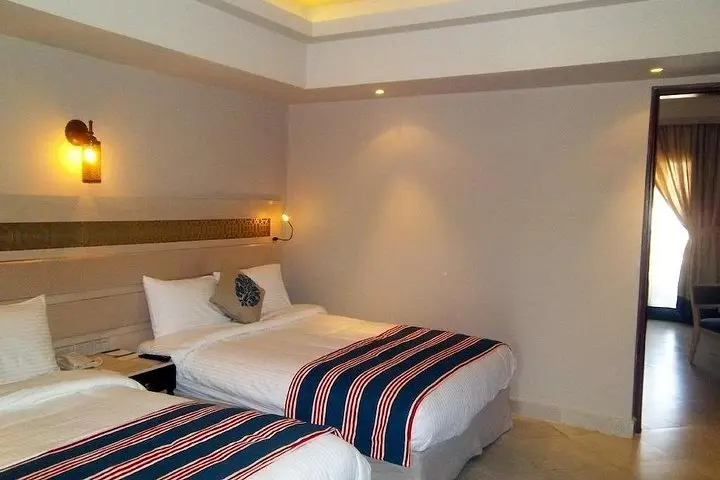
Practical notes: cabins on a 5-star cruise include en suite bathrooms and minibars; check-in is generally at 12:00. Entrance fees are usually paid on-site (some small items require Egyptian cash). Bring sun protection, sturdy shoes for uneven temple floors, and a light layer for cooler nights on deck. Timing your temple visits for early morning or late afternoon avoids the worst heat and the largest crowds.
Abu Simbel is about 285 km from Aswan; the shared road transfer is an early start with roughly an 8–10 hour round trip including site time.
Entrance fees are generally not included; you should budget for tickets at temples and tombs—some payments accept cards but small services may require Egyptian cash.
The cruise is advertised as wheelchair accessible, but many temple sites have stairs and uneven ground; travelers with limited mobility should check specific site access and notify the operator ahead of time.
An English-speaking Egyptology guide is provided; other languages may be available for an extra fee if requested in advance.
Egypt Gift Tours operates guided outdoor trips and adventures with an emphasis on safety, stewardship, and memorable experiences.
The cruise slips away from Aswan at midday, deck chairs angling toward a low, golden bank. Palm trees and mudbrick villages slide by like frames from another era while the ship hums a steady, reassuring engine-song. On this four-day run upriver you trade the jitter of roads for minutes measured by shoreline—villagers at wells, fishermen casting thin nets, the occasional white flash of a heron.
The cruise slips away from Aswan at midday, deck chairs angling toward a low, golden bank. Palm trees and mudbrick villages slide by like frames from another era while the ship hums a steady, reassuring engine-song. On this four-day run upriver you trade the jitter of roads for minutes measured by shoreline—villagers at wells, fishermen casting thin nets, the occasional white flash of a heron.
This voyage threads modern Egypt with pharaonic remains: the 1960 High Dam that reshaped the Nile, the island shrine of Philae, Edfu’s intact Temple of Horus, and Kom Ombo’s dual sanctuary. The itinerary includes a long pre-dawn return trip to Abu Simbel (about 285 km from Aswan) to stand beneath Ramesses II’s carved colossi, then finishes amid the temples and tombs of Luxor—Karnak, Hatshepsut, and the Valley of the Kings.
Geology here is simple and stark: the river cuts through Nubian sandstone and alluvial flats, and the monuments perch where bedrock met water and offered shelter for tombs and temples. Culturally, expect lively evenings on board—folk shows, galabeya nights—and English-speaking Egyptology guides who narrate the sites.
Practical notes: cabins on a 5-star cruise include en suite bathrooms and minibars; check-in is generally at 12:00. Entrance fees are usually paid on-site (some small items require Egyptian cash). Bring sun protection, sturdy shoes for uneven temple floors, and a light layer for cooler nights on deck. Timing your temple visits for early morning or late afternoon avoids the worst heat and the largest crowds.