THE ADVENTURE COLLECTIVE® · Independent discovery and booking for outdoor travel

A four-day high-altitude loop that combines hot springs, Condor Pass, glacial lakes and the famous Rainbow Mountain. Expect long days, stunning geology and meaningful cultural encounters with Quechua communities.
A four-day high-altitude loop that combines hot springs, Condor Pass, glacial lakes and the famous Rainbow Mountain. Expect long days, stunning geology and meaningful cultural encounters with Quechua communities.
The morning air at Upis is thin and bright; steam rises from a riverside hot spring while alpaca graze on the slopes and the jagged flank of Ausangate looms above. On this four-day loop you move through high Andean plateaus, climb to passes where wind and sky argue, and finish at the multicolored sweep of Rainbow Mountain and the scarlet soils of Red Valley.
Verified experiences and guided adventures in the surrounding area.
Operated by Vicuna Expeditions · Cusco, Cusco Region
The morning air at Upis is thin and bright; steam rises from a riverside hot spring while alpaca graze on the slopes and the jagged flank of Ausangate looms above. On this four-day loop you move through high Andean plateaus, climb to passes where wind and sky argue, and finish at the multicolored sweep of Rainbow Mountain and the scarlet soils of Red Valley.
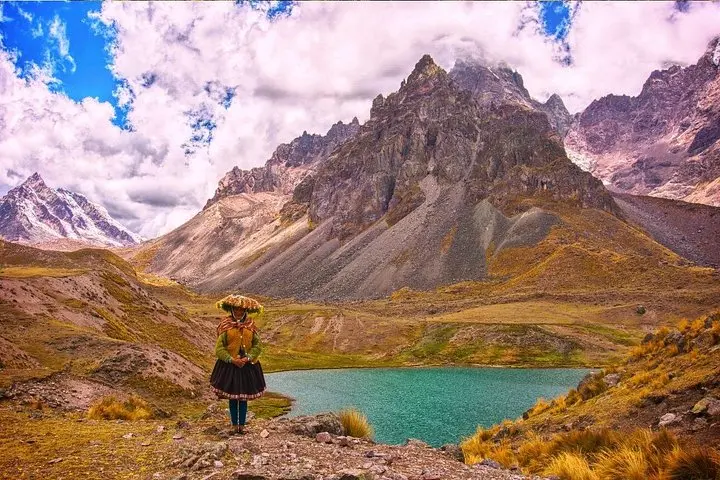
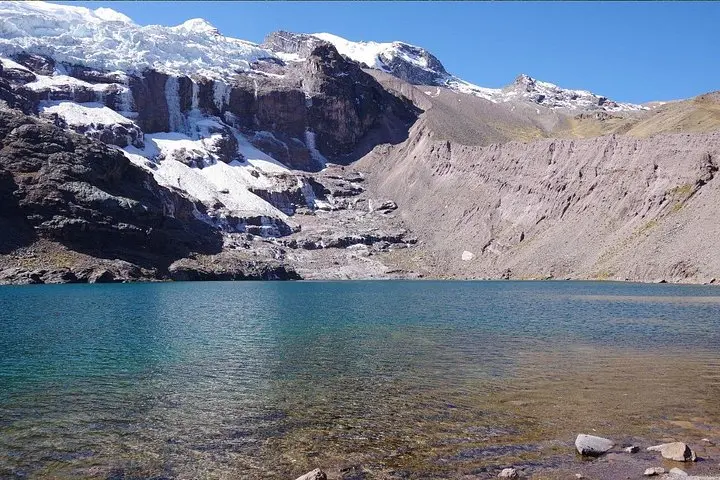
Geology here is raw: glacially carved cirques, turquoise puna lakes, and mineral bands of iron and copper that paint Vinicunca’s stripes. Culturally the region is still Quechua-speaking—local shepherds tend vicuña and llamas, and small altars to Apu Ausangate mark passes as sacred. The route traces old pastoral trails rather than engineered switchbacks, so expect loose scree, grassy terraces and broad, exposed ridgelines.
Practical guidance: altitude is the defining challenge—acclimatize in Cusco 48–72 hours if possible and move deliberately on ascents such as Condor Pass. Campsites at Pucaccocha and Yanaccocha are basic but scenically placed; tour operators supply double tents, cooked meals and filtered boiled water on most days. Footing varies from mule tracks to steep stone steps; gaiters and trekking poles make descents easier. Plan for strong sun, sudden wind and afternoon showers during the wet season (Nov–Mar).
Timing matters: start early on summit days to avoid weather and crowds at Rainbow Mountain. Respect local customs: small offerings at Rumiyoq Pass are common; carry out all waste and follow your guide’s brief on camp etiquette. The reward is uncompromised mountain country—wide horizons, rare wildlife glimpses and the kind of silence only high places can offer.
This is a high-altitude trek with daily ascents to passes above 4,800–5,200 m; even fit hikers can feel symptoms—acclimatization and a steady pace are essential.
The operator provides boiled and filtered water on days 2–4; bring a 1–2 liter bottle and a lightweight purification method if you prefer extra security.
Campsites include double-occupancy tents, sleeping mattresses, dining and kitchen tents; camps are basic but meals are prepared by the crew.
Not recommended for infants, pregnant travelers, or those with heart or serious spinal conditions—this itinerary requires good cardiovascular health.
Vicuna Expeditions operates guided outdoor trips and adventures with an emphasis on safety, stewardship, and memorable experiences.
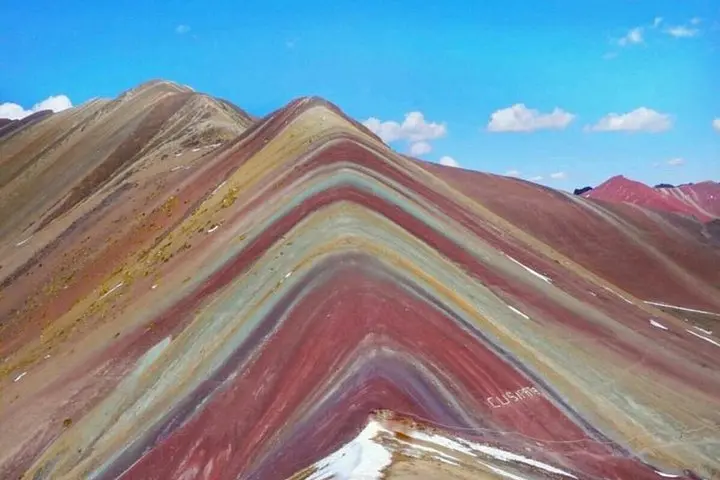
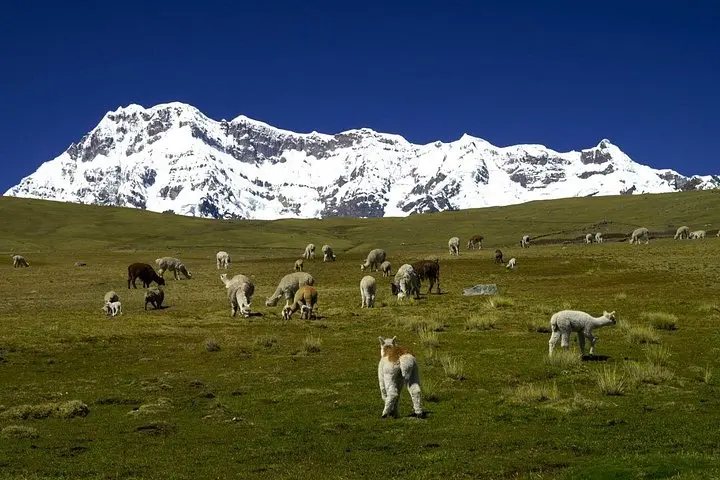
The morning air at Upis is thin and bright; steam rises from a riverside hot spring while alpaca graze on the slopes and the jagged flank of Ausangate looms above. On this four-day loop you move through high Andean plateaus, climb to passes where wind and sky argue, and finish at the multicolored sweep of Rainbow Mountain and the scarlet soils of Red Valley.
The morning air at Upis is thin and bright; steam rises from a riverside hot spring while alpaca graze on the slopes and the jagged flank of Ausangate looms above. On this four-day loop you move through high Andean plateaus, climb to passes where wind and sky argue, and finish at the multicolored sweep of Rainbow Mountain and the scarlet soils of Red Valley.
Geology here is raw: glacially carved cirques, turquoise puna lakes, and mineral bands of iron and copper that paint Vinicunca’s stripes. Culturally the region is still Quechua-speaking—local shepherds tend vicuña and llamas, and small altars to Apu Ausangate mark passes as sacred. The route traces old pastoral trails rather than engineered switchbacks, so expect loose scree, grassy terraces and broad, exposed ridgelines.
Practical guidance: altitude is the defining challenge—acclimatize in Cusco 48–72 hours if possible and move deliberately on ascents such as Condor Pass. Campsites at Pucaccocha and Yanaccocha are basic but scenically placed; tour operators supply double tents, cooked meals and filtered boiled water on most days. Footing varies from mule tracks to steep stone steps; gaiters and trekking poles make descents easier. Plan for strong sun, sudden wind and afternoon showers during the wet season (Nov–Mar).
Timing matters: start early on summit days to avoid weather and crowds at Rainbow Mountain. Respect local customs: small offerings at Rumiyoq Pass are common; carry out all waste and follow your guide’s brief on camp etiquette. The reward is uncompromised mountain country—wide horizons, rare wildlife glimpses and the kind of silence only high places can offer.