THE ADVENTURE COLLECTIVE® · Independent discovery and booking for outdoor travel

Four days of Baku’s city highlights and Absheron’s strange geology: ancient petroglyphs, mud volcanoes, Ateshgah’s fire temple and Yanardag’s eternal flame. A compact tour that pairs urban culture with dramatic natural features.
Four days of Baku’s city highlights and Absheron’s strange geology: ancient petroglyphs, mud volcanoes, Ateshgah’s fire temple and Yanardag’s eternal flame. A compact tour that pairs urban culture with dramatic natural features.
You arrive to Baku with the wind off the Caspian pushing at your coat and the city’s modern silhouette—three glass Flame Towers—cutting the skyline. Daylight slides across Martyrs' Lane and the Eternal Flame; the old town's limestone alleys wait like pages in a weathered map. Over four days the trip moves from paved promenades to rocky plateaus where the land still exhales gas and flame.
Verified experiences and guided adventures in the surrounding area.
Operated by VLA_tourism · Baku, Baku
You arrive to Baku with the wind off the Caspian pushing at your coat and the city’s modern silhouette—three glass Flame Towers—cutting the skyline. Daylight slides across Martyrs' Lane and the Eternal Flame; the old town's limestone alleys wait like pages in a weathered map. Over four days the trip moves from paved promenades to rocky plateaus where the land still exhales gas and flame.
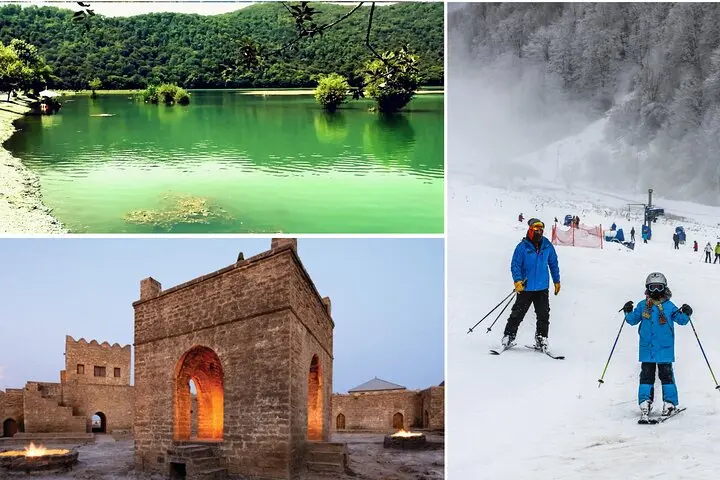
Gobustan's petroglyphs read like a human ledger: hunters, boats, ritual scenes carved into volcanic rock tens of thousands of years ago. The mud volcanoes on the Absheron steppe make the earth playful and unpredictable—bubbles rise and slick brown cones recalibrate the horizon. Ateshgah, the Fire Temple, and Yanardag, the forever-burning hillside, offer glimpses into the region's long relationship with natural gas and fire-worship; oil rigs and the first drilled wells nearby tell the industrial side of the story.
Culturally, Baku stitches Persian, Turkic and Soviet layers into its cuisine, architecture and rituals—expect hearty lavangi, strong tea and markets filled with carpets and copperware.
Practical guidance: the tour is low-impact walking with multiple short transfers; comfortable walking shoes and sun protection are essential. Plan for strong midday sun and gusty shoreline winds; sequence outdoor activities for morning or late afternoon when possible. Bring a light windproof layer and an adaptor for plugs. The guides typically handle logistics and museum entries, but keep local currency for small purchases. This is an accessible, geology-forward trip that balances urban history with raw, combustible landscapes.
Daily walking is moderate—short urban strolls and brief hikes to viewpoints or rock sites; nothing technical or prolonged.
The itinerary notes many sites with admissions handled locally; confirm with the operator whether specific museum entries are included or optional.
Yes—transport is private and the tour is rated easy; infant seats are available and pacing is flexible.
Guides are typically English-speaking and locally knowledgeable; confirm language needs at booking.
VLA_tourism operates guided outdoor trips and adventures with an emphasis on safety, stewardship, and memorable experiences.
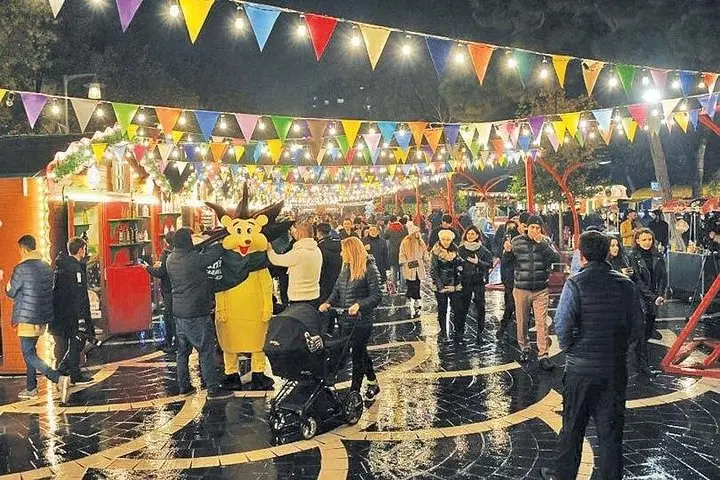
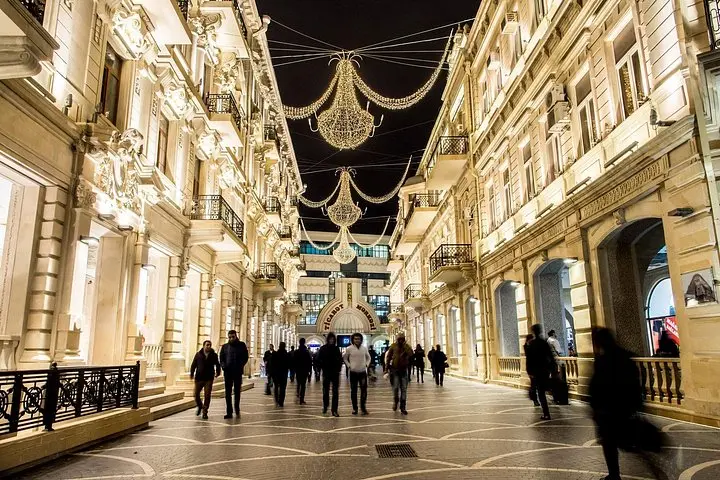
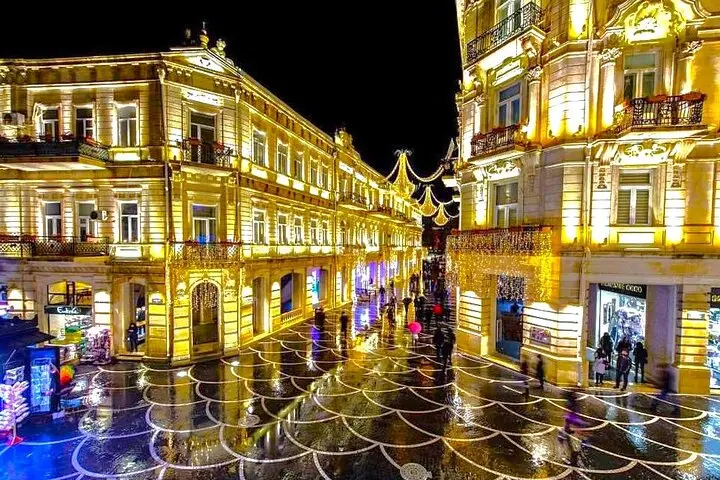
You arrive to Baku with the wind off the Caspian pushing at your coat and the city’s modern silhouette—three glass Flame Towers—cutting the skyline. Daylight slides across Martyrs' Lane and the Eternal Flame; the old town's limestone alleys wait like pages in a weathered map. Over four days the trip moves from paved promenades to rocky plateaus where the land still exhales gas and flame.
You arrive to Baku with the wind off the Caspian pushing at your coat and the city’s modern silhouette—three glass Flame Towers—cutting the skyline. Daylight slides across Martyrs' Lane and the Eternal Flame; the old town's limestone alleys wait like pages in a weathered map. Over four days the trip moves from paved promenades to rocky plateaus where the land still exhales gas and flame.
Gobustan's petroglyphs read like a human ledger: hunters, boats, ritual scenes carved into volcanic rock tens of thousands of years ago. The mud volcanoes on the Absheron steppe make the earth playful and unpredictable—bubbles rise and slick brown cones recalibrate the horizon. Ateshgah, the Fire Temple, and Yanardag, the forever-burning hillside, offer glimpses into the region's long relationship with natural gas and fire-worship; oil rigs and the first drilled wells nearby tell the industrial side of the story.
Culturally, Baku stitches Persian, Turkic and Soviet layers into its cuisine, architecture and rituals—expect hearty lavangi, strong tea and markets filled with carpets and copperware.
Practical guidance: the tour is low-impact walking with multiple short transfers; comfortable walking shoes and sun protection are essential. Plan for strong midday sun and gusty shoreline winds; sequence outdoor activities for morning or late afternoon when possible. Bring a light windproof layer and an adaptor for plugs. The guides typically handle logistics and museum entries, but keep local currency for small purchases. This is an accessible, geology-forward trip that balances urban history with raw, combustible landscapes.