THE ADVENTURE COLLECTIVE® · Independent discovery and booking for outdoor travel

Four days of mule tracks, walnut groves and high passes through the Western High Atlas. This private trek from Marrakech pairs cultural encounters with daily ascents to 2,500 m—ideal for hikers who want immersive village life and sustained mountain walking.
Four days of mule tracks, walnut groves and high passes through the Western High Atlas. This private trek from Marrakech pairs cultural encounters with daily ascents to 2,500 m—ideal for hikers who want immersive village life and sustained mountain walking.
Dawn breaks over stony terraces and walnut groves as you push off from a village track above Imi Oughlad. The trail rises in switchbacks, wind and light working like a map reader—rivers dare you to follow their courses and the ridgelines push your eyes toward Tizi n'Mzzik at 2,500 m. Small footpaths, mule tracks and a Berber muleteer crew move the pace from city haste to mountain measure.
Verified experiences and guided adventures in the surrounding area.
Operated by Atlas Discovery Tours · Marrakech, Marrakech-Safi
Dawn breaks over stony terraces and walnut groves as you push off from a village track above Imi Oughlad. The trail rises in switchbacks, wind and light working like a map reader—rivers dare you to follow their courses and the ridgelines push your eyes toward Tizi n'Mzzik at 2,500 m. Small footpaths, mule tracks and a Berber muleteer crew move the pace from city haste to mountain measure.
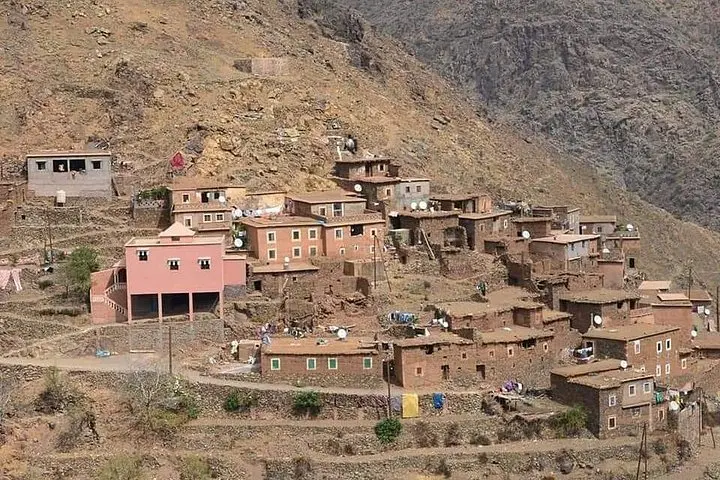
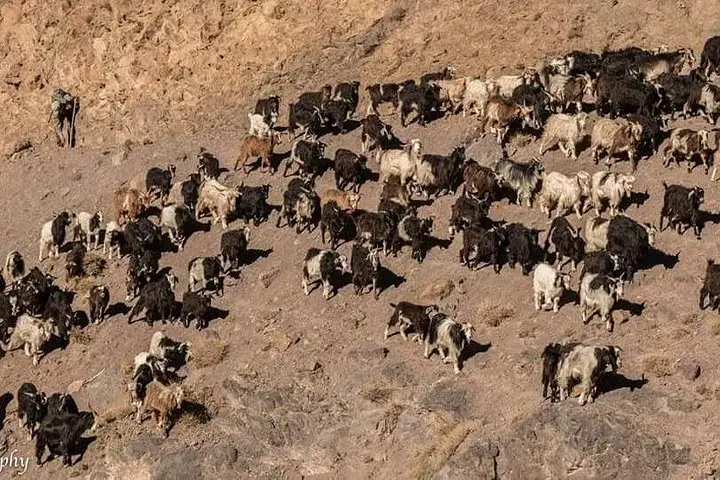
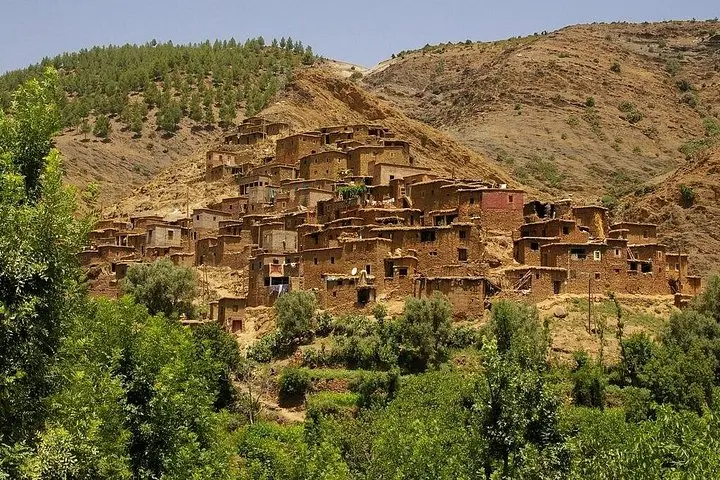
The route threads centuries-old rural lifeways: high-Atlas mule tracks, terraced agriculture and settlements of Amazigh (Berber) families who have grazed and farmed these slopes for generations. Geologically the High Atlas is young and steep—folded sedimentary layers thrust up by African-Eurasian collision—so expect rocky passes, spring-fed gullies, juniper stands and fast-changing weather.
Culture is close: communal cooking, shared bivouacs or small gites, and chances to learn about local irrigation (khettaras) and seasonal grazing patterns. Wildlife is discreet—watch for Barbary macaques on forest edges and raptors hunting thermals.
Practical guidance: be ready for 3–6 hours of walking most days with sustained ascents to about 2,500 m; wear broken-in boots, layer for cold nights and sun at high passes, and carry a refillable water system—the guides supply bottled water but bring a filter if you prefer. Start early to use stable morning weather, respect local customs (ask before photographing people), and leave no trace around springs and village fields. This four-day loop returns you to Imlil and the drive back to Marrakech, loaded with perspectives on mountain life and terrain that keeps moving underfoot.
Daily segments typically range 3–6 hours over mixed mule tracks and rocky trails with several sustained ascents; pace is steady and guided, suitable for reasonably fit walkers.
Nights alternate between simple gites (guesthouses) and comfortable bivouacs managed by the mule crew—expect communal meals and basic facilities.
Passes reach roughly 2,500 m; most travelers acclimatize fine if they stay hydrated, move deliberately, and notify guides of symptoms like persistent headache or nausea.
Yes—the experienced muleteer crew transports main luggage and camping equipment; carry a daypack with essentials for daily hikes.
Atlas Discovery Tours operates guided outdoor trips and adventures with an emphasis on safety, stewardship, and memorable experiences.
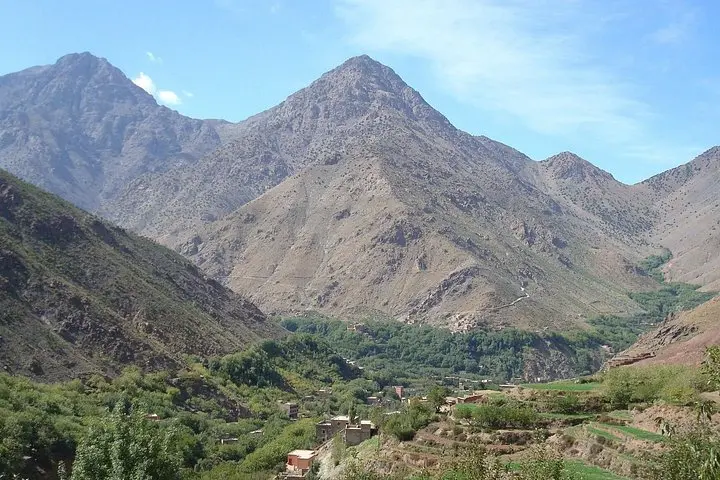
Dawn breaks over stony terraces and walnut groves as you push off from a village track above Imi Oughlad. The trail rises in switchbacks, wind and light working like a map reader—rivers dare you to follow their courses and the ridgelines push your eyes toward Tizi n'Mzzik at 2,500 m. Small footpaths, mule tracks and a Berber muleteer crew move the pace from city haste to mountain measure.
Dawn breaks over stony terraces and walnut groves as you push off from a village track above Imi Oughlad. The trail rises in switchbacks, wind and light working like a map reader—rivers dare you to follow their courses and the ridgelines push your eyes toward Tizi n'Mzzik at 2,500 m. Small footpaths, mule tracks and a Berber muleteer crew move the pace from city haste to mountain measure.
The route threads centuries-old rural lifeways: high-Atlas mule tracks, terraced agriculture and settlements of Amazigh (Berber) families who have grazed and farmed these slopes for generations. Geologically the High Atlas is young and steep—folded sedimentary layers thrust up by African-Eurasian collision—so expect rocky passes, spring-fed gullies, juniper stands and fast-changing weather.
Culture is close: communal cooking, shared bivouacs or small gites, and chances to learn about local irrigation (khettaras) and seasonal grazing patterns. Wildlife is discreet—watch for Barbary macaques on forest edges and raptors hunting thermals.
Practical guidance: be ready for 3–6 hours of walking most days with sustained ascents to about 2,500 m; wear broken-in boots, layer for cold nights and sun at high passes, and carry a refillable water system—the guides supply bottled water but bring a filter if you prefer. Start early to use stable morning weather, respect local customs (ask before photographing people), and leave no trace around springs and village fields. This four-day loop returns you to Imlil and the drive back to Marrakech, loaded with perspectives on mountain life and terrain that keeps moving underfoot.