THE ADVENTURE COLLECTIVE® · Independent discovery and booking for outdoor travel
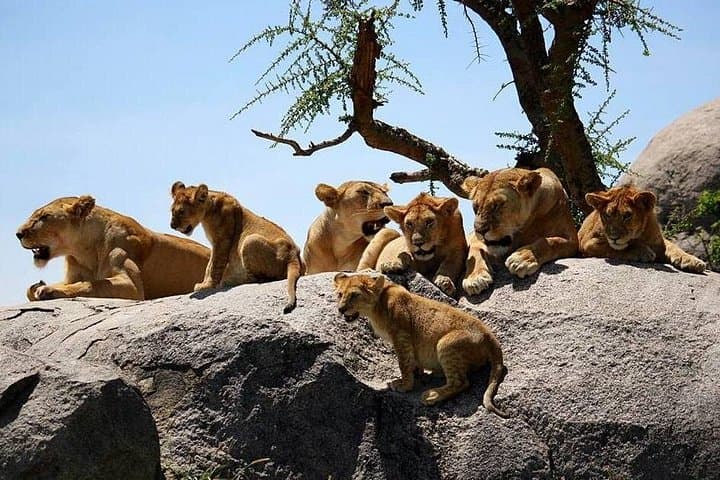
A compact northern Tanzania circuit from Arusha that delivers classic safari moments: Tarangire’s elephants, Ngorongoro’s crater wildlife and Lake Manyara’s tree-climbing lions. Early starts, bumpy tracks and skilled guides make the wildlife the focus.
A compact northern Tanzania circuit from Arusha that delivers classic safari moments: Tarangire’s elephants, Ngorongoro’s crater wildlife and Lake Manyara’s tree-climbing lions. Early starts, bumpy tracks and skilled guides make the wildlife the focus.
Dawn finds the convoy slipping out of Arusha, diesel hum lowering as the landscape opens into baobab-studded plains and a sky that sharpens with light.
Verified experiences and guided adventures in the surrounding area.
Operated by Wild Root Safaris and Adventures · Arusha, Arusha Region
Dawn finds the convoy slipping out of Arusha, diesel hum lowering as the landscape opens into baobab-studded plains and a sky that sharpens with light.
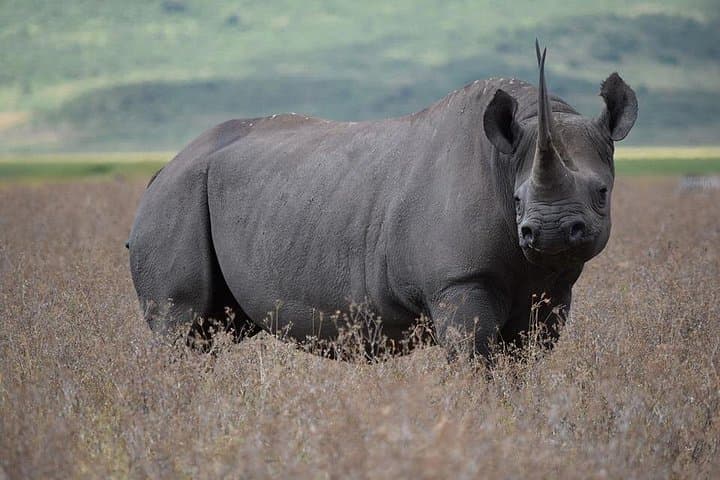
The first game drive leads you into Tarangire, where elephants follow the river like a stubborn thread and acacia silhouettes puncture the horizon. By the second morning you stand at the Ngorongoro rim—an immense volcanic bowl carved by collapsed magma, 600 meters down to a crater floor thick with grazers, predators and the rare black rhino.
This route threads three of Tanzania’s northern parks linked by Maasai communities whose pastoral rhythms predate conservation boundaries. Geologically the Ngorongoro Crater is a collapsed volcano; ecologically the park system supports long-distance migrations that pulse with seasonal rains.
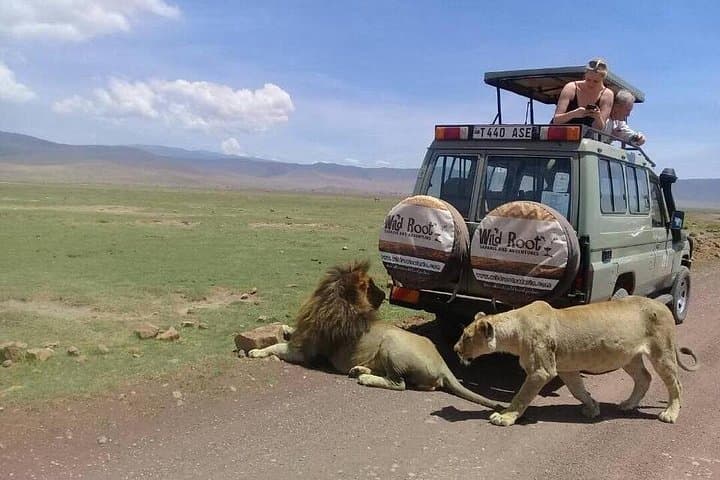
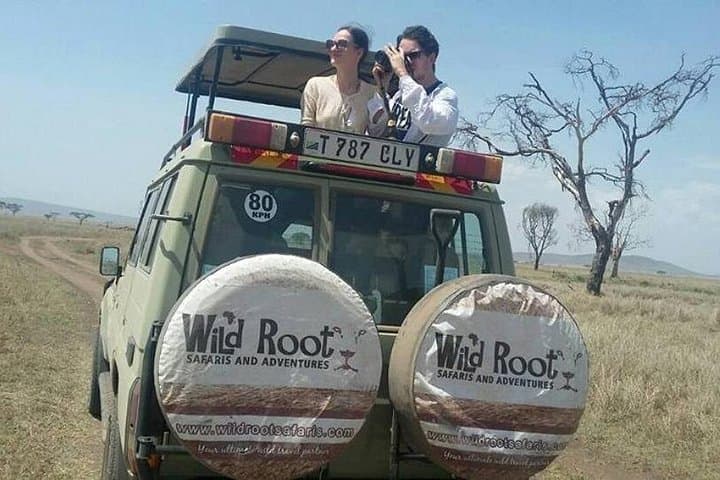
Expect classic East African game-drive structure: early departures, long unpaved tracks, midday shade and late-afternoon light that brings predators out. Drives focus on spotting—elephants, zebra, giraffe, lions and, with luck, elusive cheetah or black rhino—guided by fluent English-speaking rangers and, for walking segments, an armed ranger for safety.
Practical notes: pack neutral clothing and sturdy shoes, bring a good pair of binoculars and a camera with a telephoto lens, and plan for dusty, bumpy roads—motion-sickness remedies help. Malaria prophylaxis and up-to-date vaccinations are recommended; carry passport copies and small cash for park fees or tipping. Days run long but accessible for most fitness levels; accommodation is lodge-based. Travel early in the dry season (June–October) for the densest concentrations of wildlife, and practice low-impact viewing—stay on tracks, keep distance, and support community-led experiences when visiting Maasai villages.
Yes—many operators allow children, but infants may need to sit on laps during transfers and parents should check age policies and safety for walking segments.
The tour lists fees, accommodation for two nights, and meals in its inclusions, but verify exact park entry fees and any optional extras before booking.
Malaria prophylaxis is commonly recommended for northern Tanzania; also ensure routine vaccinations are current and consult a travel clinic for personalized advice.
Tipping is customary—plan modest cash tips for guides and drivers at trip end; follow local guidance or the operator’s recommendations.
Wild Root Safaris and Adventures operates guided outdoor trips and adventures with an emphasis on safety, stewardship, and memorable experiences.
Dawn finds the convoy slipping out of Arusha, diesel hum lowering as the landscape opens into baobab-studded plains and a sky that sharpens with light.
Dawn finds the convoy slipping out of Arusha, diesel hum lowering as the landscape opens into baobab-studded plains and a sky that sharpens with light.
The first game drive leads you into Tarangire, where elephants follow the river like a stubborn thread and acacia silhouettes puncture the horizon. By the second morning you stand at the Ngorongoro rim—an immense volcanic bowl carved by collapsed magma, 600 meters down to a crater floor thick with grazers, predators and the rare black rhino.
This route threads three of Tanzania’s northern parks linked by Maasai communities whose pastoral rhythms predate conservation boundaries. Geologically the Ngorongoro Crater is a collapsed volcano; ecologically the park system supports long-distance migrations that pulse with seasonal rains.
Expect classic East African game-drive structure: early departures, long unpaved tracks, midday shade and late-afternoon light that brings predators out. Drives focus on spotting—elephants, zebra, giraffe, lions and, with luck, elusive cheetah or black rhino—guided by fluent English-speaking rangers and, for walking segments, an armed ranger for safety.
Practical notes: pack neutral clothing and sturdy shoes, bring a good pair of binoculars and a camera with a telephoto lens, and plan for dusty, bumpy roads—motion-sickness remedies help. Malaria prophylaxis and up-to-date vaccinations are recommended; carry passport copies and small cash for park fees or tipping. Days run long but accessible for most fitness levels; accommodation is lodge-based. Travel early in the dry season (June–October) for the densest concentrations of wildlife, and practice low-impact viewing—stay on tracks, keep distance, and support community-led experiences when visiting Maasai villages.
