THE ADVENTURE COLLECTIVE® · Independent discovery and booking for outdoor travel

A compact four-day circuit that pairs Bromo’s sunrise caldera with Ijen’s blue fire and the curtain of Tumpak Sewu. Expect early starts, short steep hikes, and dramatic geology across East Java.
A compact four-day circuit that pairs Bromo’s sunrise caldera with Ijen’s blue fire and the curtain of Tumpak Sewu. Expect early starts, short steep hikes, and dramatic geology across East Java.
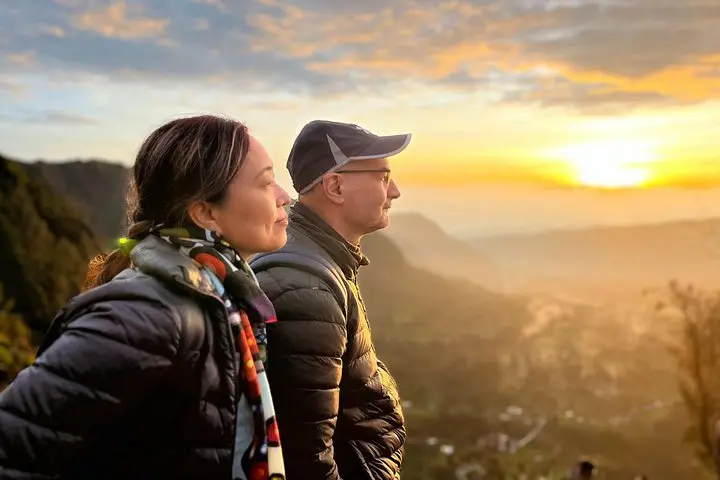
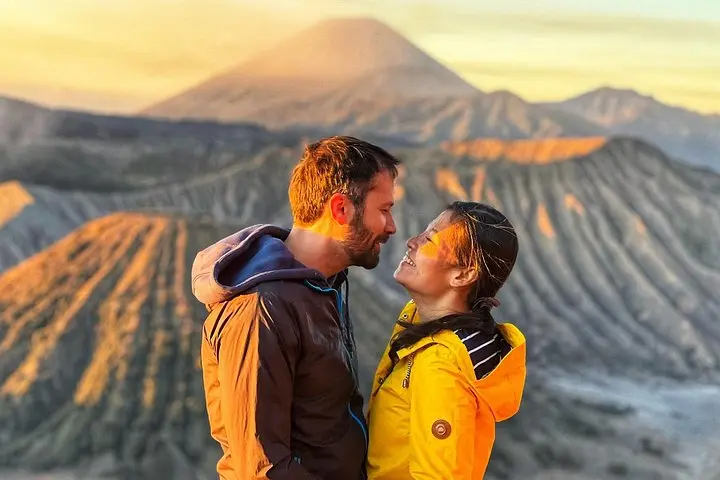
You wake before dawn to a diesel staccato and the cool, thin air of East Java as a 4x4 climbs toward Penanjakan. By the time the sky loosens from black to gunmetal, Mount Bromo’s rim glows—steam, sand and a crater lip that demands attention. Later in the trip a narrow trail drops into Tumpak Sewu’s amphitheater, where spray and basalt walls push you closer to the roar.
Verified experiences and guided adventures in the surrounding area.
Operated by Cheap Bromo · Malang, East Java
You wake before dawn to a diesel staccato and the cool, thin air of East Java as a 4x4 climbs toward Penanjakan. By the time the sky loosens from black to gunmetal, Mount Bromo’s rim glows—steam, sand and a crater lip that demands attention. Later in the trip a narrow trail drops into Tumpak Sewu’s amphitheater, where spray and basalt walls push you closer to the roar.
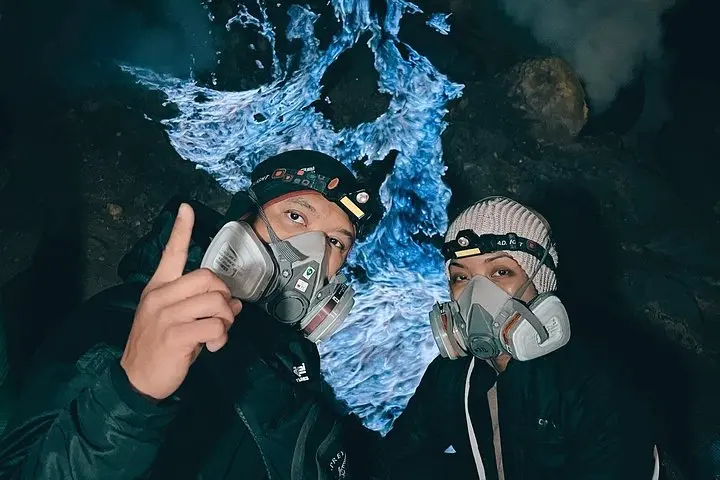
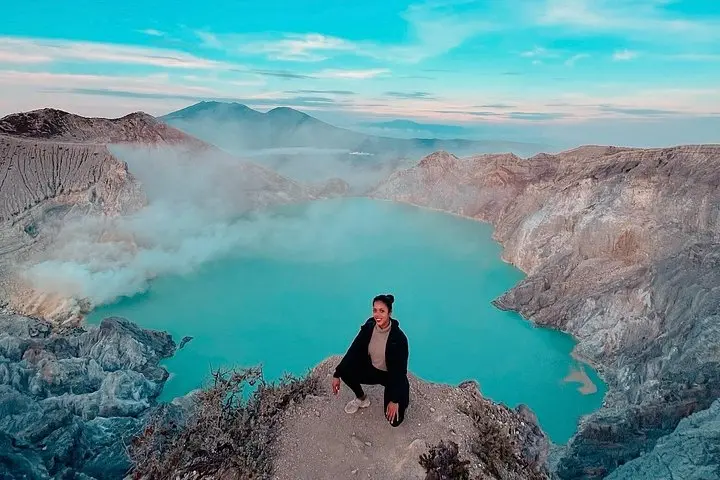
This route threads three distinct landscapes: Bromo’s volcanic caldera carved by eruptions and wind, Ijen’s acid-blue sulfur lakes and flame phenomenon formed by oxidizing sulfur, and Tumpak Sewu’s comb-like waterfall cut into soft volcanic rock. The Tenggerese people keep a living cultural link to the caldera—Yadnya Kasada offerings still arrive annually at Bromo’s crater. At Ijen, small-scale sulfur mining remains visible; the blue fire is a geological quirk caused by sulfur gases igniting as they emerge and burn.
Expect early starts (3–4 a.m.), short but steep hikes (Ijen about 1 hour from Paltuding; Bromo crater a mix of sand and steps), and basic local guesthouses between stages. Guides help navigate smoke, trails and local fees; a gas mask and headlamp are standard inclusions for Ijen. Practical prep: train for sustained uphill walking, layer for rapid temperature shifts between seaside Banyuwangi and Bromo’s high plateau, and carry a dry bag for the waterfall visit—spray and mist are constant.
Timing your visit during the drier months improves sunrise visibility; respect marked paths, follow guides around fumaroles, and keep a slow pace on rocky descents to make the most of this concentrated East Java circuit.
The blue fire is visible only at night; guides typically start around 11–11:30 p.m. to reach the crater before sunrise when the phenomenon is most distinct.
Hikes are short but can be steep—expect about 45–90 minutes on uneven trails (Ijen) and brief climbs at Bromo; moderate fitness is sufficient.
Local guides and entrance fees for Bromo, Ijen Geopark and Tumpak Sewu are listed as included; verify any optional activities that may incur extra costs.
Yes—pick-up from Surabaya or Malang is part of the itinerary; confirm exact pickup location and time when booking.
Cheap Bromo operates guided outdoor trips and adventures with an emphasis on safety, stewardship, and memorable experiences.
You wake before dawn to a diesel staccato and the cool, thin air of East Java as a 4x4 climbs toward Penanjakan. By the time the sky loosens from black to gunmetal, Mount Bromo’s rim glows—steam, sand and a crater lip that demands attention. Later in the trip a narrow trail drops into Tumpak Sewu’s amphitheater, where spray and basalt walls push you closer to the roar.
You wake before dawn to a diesel staccato and the cool, thin air of East Java as a 4x4 climbs toward Penanjakan. By the time the sky loosens from black to gunmetal, Mount Bromo’s rim glows—steam, sand and a crater lip that demands attention. Later in the trip a narrow trail drops into Tumpak Sewu’s amphitheater, where spray and basalt walls push you closer to the roar.
This route threads three distinct landscapes: Bromo’s volcanic caldera carved by eruptions and wind, Ijen’s acid-blue sulfur lakes and flame phenomenon formed by oxidizing sulfur, and Tumpak Sewu’s comb-like waterfall cut into soft volcanic rock. The Tenggerese people keep a living cultural link to the caldera—Yadnya Kasada offerings still arrive annually at Bromo’s crater. At Ijen, small-scale sulfur mining remains visible; the blue fire is a geological quirk caused by sulfur gases igniting as they emerge and burn.
Expect early starts (3–4 a.m.), short but steep hikes (Ijen about 1 hour from Paltuding; Bromo crater a mix of sand and steps), and basic local guesthouses between stages. Guides help navigate smoke, trails and local fees; a gas mask and headlamp are standard inclusions for Ijen. Practical prep: train for sustained uphill walking, layer for rapid temperature shifts between seaside Banyuwangi and Bromo’s high plateau, and carry a dry bag for the waterfall visit—spray and mist are constant.
Timing your visit during the drier months improves sunrise visibility; respect marked paths, follow guides around fumaroles, and keep a slow pace on rocky descents to make the most of this concentrated East Java circuit.