THE ADVENTURE COLLECTIVE® · Independent discovery and booking for outdoor travel

Spend four practical days chasing the Mara’s wildlife from Nairobi. This budget safari pairs sunrise game drives and a chance at the Big Five with simple camp stays and local cultural visits.
Spend four practical days chasing the Mara’s wildlife from Nairobi. This budget safari pairs sunrise game drives and a chance at the Big Five with simple camp stays and local cultural visits.
You arrive before dawn and the Mara opens like a vast, breathing plain: early light strips color from the grass, and a pair of impala lifts its heads as your pop-up roof car eases past.
Verified experiences and guided adventures in the surrounding area.
Operated by PERFECT WILDERNESS TOURS AND SAFARIS · Maasai Mara, Narok County
You arrive before dawn and the Mara opens like a vast, breathing plain: early light strips color from the grass, and a pair of impala lifts its heads as your pop-up roof car eases past.
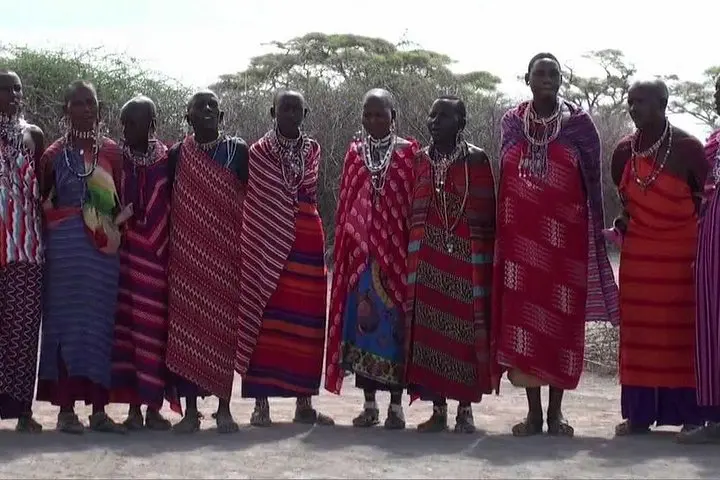
The Maasai Mara sits on the western edge of Kenya’s Rift Valley, its rolling grasslands and riverine thickets carved by tectonic forces and seasonal rivers. Geologically tied to the Rift system, the reserve feeds migratory routes that have run for millennia. Culturally the Mara is Maasai country — pastoralists who still graze cattle and welcome visitors, sharing stories of coexistence with lions and hyenas.
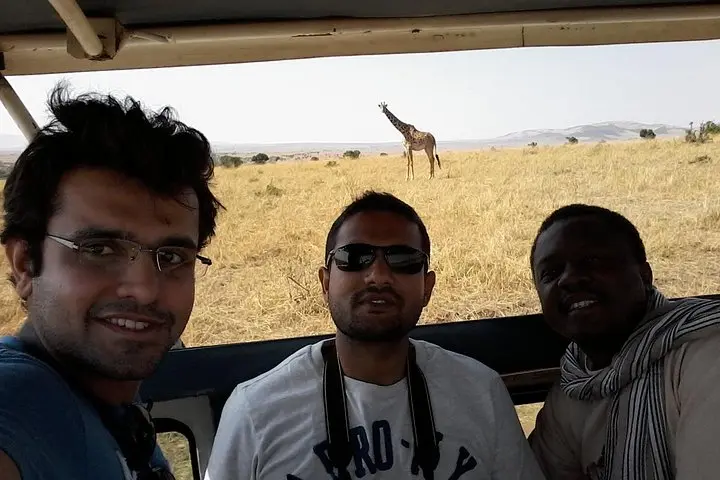
Over four days you’ll read the land through sightings: pride hunts on the escarpment, crocodiles sunning on the Mara River, and, between July and November, the thunder of the wildebeest migration as millions cross toward Tanzania. Game drives from a customized vehicle with a pop roof put you close to the action while picnic lunches and simple tourist-camp accommodation keep costs low.
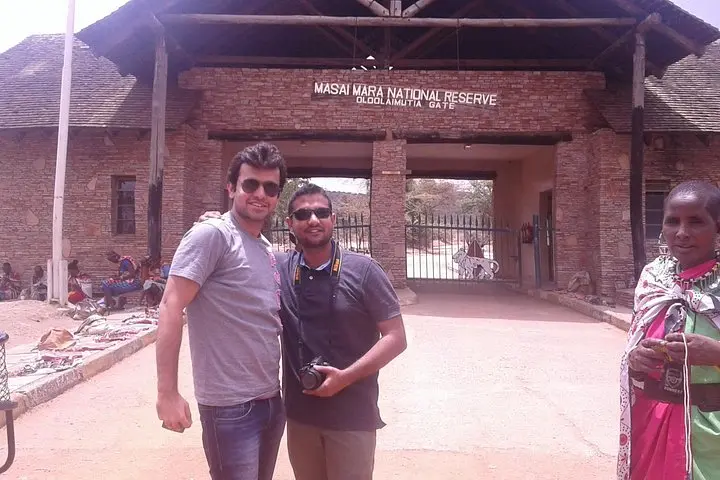
Practical notes: drives can be long and dusty—carry layers, a wide-brim hat, and a refillable water bottle. Early mornings are prime for predators; midday is best for birding and a rest at camp. Respect park rules—no exiting vehicles in non-designated areas—and consider a short visit to a local Maasai village to learn about pastoral life (small fee applies).
This is an accessible safari: minimal hiking, maximum wildlife viewing. For photographers and first-time safarigoers it’s an efficient way to experience the Mara’s wildlife rhythms without luxury pricing.
Peak months in the Mara are July through October when large herds cross the Mara River, though wildlife is present year-round.
Check CDC guidance for Kenya; many travelers take malaria prophylaxis for the Mara—consult your doctor before travel.
Most tourist camps offer basic charging; bring a portable power bank and check with the operator about power availability.
Yes—tipping is customary. Guides typically receive most tips; camps often suggest a per-guest amount for staff pooling.
PERFECT WILDERNESS TOURS AND SAFARIS operates guided outdoor trips and adventures with an emphasis on safety, stewardship, and memorable experiences.
You arrive before dawn and the Mara opens like a vast, breathing plain: early light strips color from the grass, and a pair of impala lifts its heads as your pop-up roof car eases past.
You arrive before dawn and the Mara opens like a vast, breathing plain: early light strips color from the grass, and a pair of impala lifts its heads as your pop-up roof car eases past.
The Maasai Mara sits on the western edge of Kenya’s Rift Valley, its rolling grasslands and riverine thickets carved by tectonic forces and seasonal rivers. Geologically tied to the Rift system, the reserve feeds migratory routes that have run for millennia. Culturally the Mara is Maasai country — pastoralists who still graze cattle and welcome visitors, sharing stories of coexistence with lions and hyenas.
Over four days you’ll read the land through sightings: pride hunts on the escarpment, crocodiles sunning on the Mara River, and, between July and November, the thunder of the wildebeest migration as millions cross toward Tanzania. Game drives from a customized vehicle with a pop roof put you close to the action while picnic lunches and simple tourist-camp accommodation keep costs low.
Practical notes: drives can be long and dusty—carry layers, a wide-brim hat, and a refillable water bottle. Early mornings are prime for predators; midday is best for birding and a rest at camp. Respect park rules—no exiting vehicles in non-designated areas—and consider a short visit to a local Maasai village to learn about pastoral life (small fee applies).
This is an accessible safari: minimal hiking, maximum wildlife viewing. For photographers and first-time safarigoers it’s an efficient way to experience the Mara’s wildlife rhythms without luxury pricing.