THE ADVENTURE COLLECTIVE® · Independent discovery and booking for outdoor travel

Four days through Egypt’s most iconic sites: dawn at the Giza Plateau, the Step Pyramid at Saqqara, medieval Citadel vistas and an Egyptian Museum deep-dive. Practical tips and on-the-ground logistics to make each stop smooth and meaningful.
Four days through Egypt’s most iconic sites: dawn at the Giza Plateau, the Step Pyramid at Saqqara, medieval Citadel vistas and an Egyptian Museum deep-dive. Practical tips and on-the-ground logistics to make each stop smooth and meaningful.
You step out of the car onto the warm limestone dust of the Giza Plateau as the sun eases the day into gold. The pyramids loom—Khufu, Khafre and Menkaure—rigid and oddly personable, each stone insisting you slow your pace. A camel calls softly as your guide arranges a short ride; the city hums at the plateau’s edge while the Nile, unseen from this ridge, keeps time for Cairo below.
Verified experiences and guided adventures in the surrounding area.
Operated by Egypt Best Holidays · Giza, Cairo Governorate
You step out of the car onto the warm limestone dust of the Giza Plateau as the sun eases the day into gold. The pyramids loom—Khufu, Khafre and Menkaure—rigid and oddly personable, each stone insisting you slow your pace. A camel calls softly as your guide arranges a short ride; the city hums at the plateau’s edge while the Nile, unseen from this ridge, keeps time for Cairo below.
This four-day itinerary threads together Egypt’s deep history: the Step Pyramid at Saqqara (c. 2630 BC), the funerary landscape of Memphis and the monumental Giza monuments, then layers into medieval Cairo with Saladin’s Citadel and the Mohamed Ali Mosque (19th-century rebuild), and the dense collections of the Egyptian Museum in Tahrir. Geologically the plateau is limestone bedrock sculpted by millennia of wind and human quarrying; archaeologically the sites span Old Kingdom tomb architecture to Ottoman and Mamluk urban fabric.
Expect short to moderate walks at each site—2–4 km across uneven packed sand and stone with gentle graded slopes and steps in museum buildings. Plan early starts for cooler temperatures and softer light; mid-afternoon can be hot and dusty.
Practical guidance: bring a brimmed hat, plenty of water and closed walking shoes with good grip, and a lightweight layer for cooler mornings. Cash and small bills are useful for museum lockers, tips and vendors; respect signage—climbing monuments is prohibited. Allow time between sites for traffic and airport transfers; local guides streamline entrances and tell the stories behind the stones so you get context, not just photo ops.
This tour includes the main entrance fees listed for the itinerary; special exhibitions or optional tomb entrances may require extra tickets on site.
Yes — pickups are offered 24/7; provide your flight details so the operator can coordinate arrival and transfers.
A short camel ride is included per the itinerary, though duration varies—expect 15–30 minutes; verify ride options with the guide.
Some parts of the itinerary are accessible, but uneven terrain and steps at certain sites limit full wheelchair access; contact the operator to discuss accommodations.
Egypt Best Holidays operates guided outdoor trips and adventures with an emphasis on safety, stewardship, and memorable experiences.
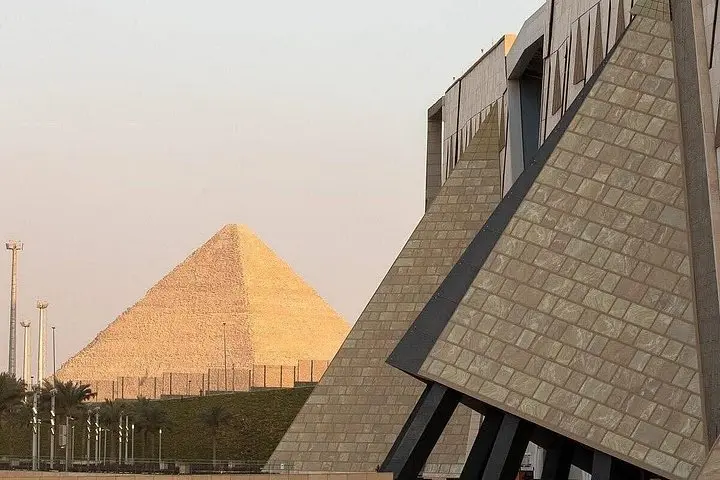
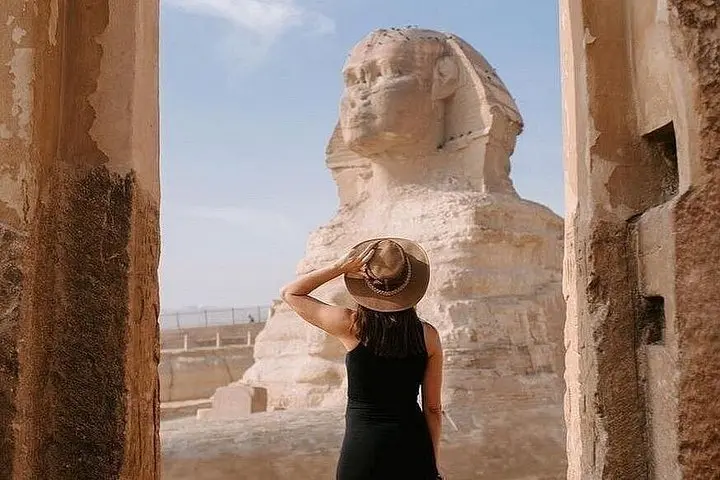
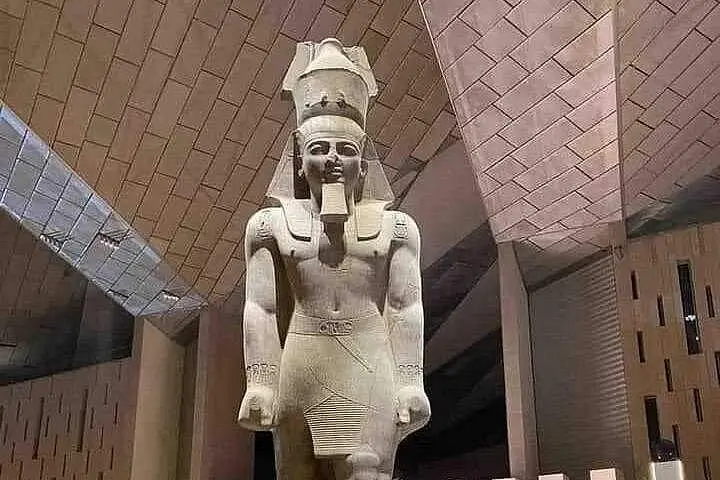
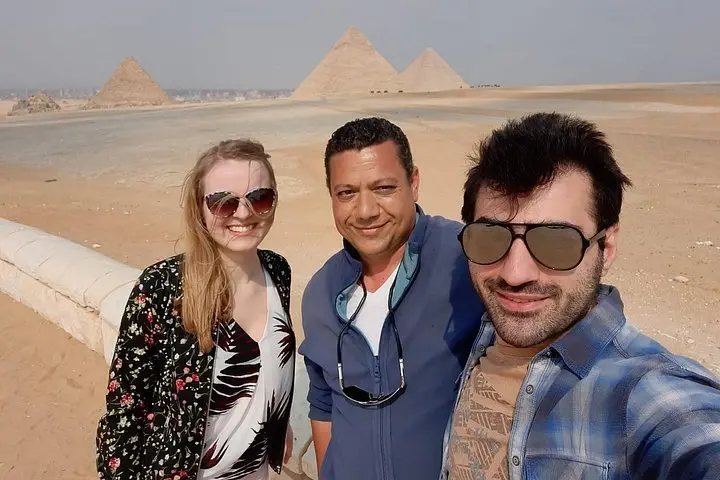
You step out of the car onto the warm limestone dust of the Giza Plateau as the sun eases the day into gold. The pyramids loom—Khufu, Khafre and Menkaure—rigid and oddly personable, each stone insisting you slow your pace. A camel calls softly as your guide arranges a short ride; the city hums at the plateau’s edge while the Nile, unseen from this ridge, keeps time for Cairo below.
You step out of the car onto the warm limestone dust of the Giza Plateau as the sun eases the day into gold. The pyramids loom—Khufu, Khafre and Menkaure—rigid and oddly personable, each stone insisting you slow your pace. A camel calls softly as your guide arranges a short ride; the city hums at the plateau’s edge while the Nile, unseen from this ridge, keeps time for Cairo below.
This four-day itinerary threads together Egypt’s deep history: the Step Pyramid at Saqqara (c. 2630 BC), the funerary landscape of Memphis and the monumental Giza monuments, then layers into medieval Cairo with Saladin’s Citadel and the Mohamed Ali Mosque (19th-century rebuild), and the dense collections of the Egyptian Museum in Tahrir. Geologically the plateau is limestone bedrock sculpted by millennia of wind and human quarrying; archaeologically the sites span Old Kingdom tomb architecture to Ottoman and Mamluk urban fabric.
Expect short to moderate walks at each site—2–4 km across uneven packed sand and stone with gentle graded slopes and steps in museum buildings. Plan early starts for cooler temperatures and softer light; mid-afternoon can be hot and dusty.
Practical guidance: bring a brimmed hat, plenty of water and closed walking shoes with good grip, and a lightweight layer for cooler mornings. Cash and small bills are useful for museum lockers, tips and vendors; respect signage—climbing monuments is prohibited. Allow time between sites for traffic and airport transfers; local guides streamline entrances and tell the stories behind the stones so you get context, not just photo ops.