THE ADVENTURE COLLECTIVE® · Independent discovery and booking for outdoor travel

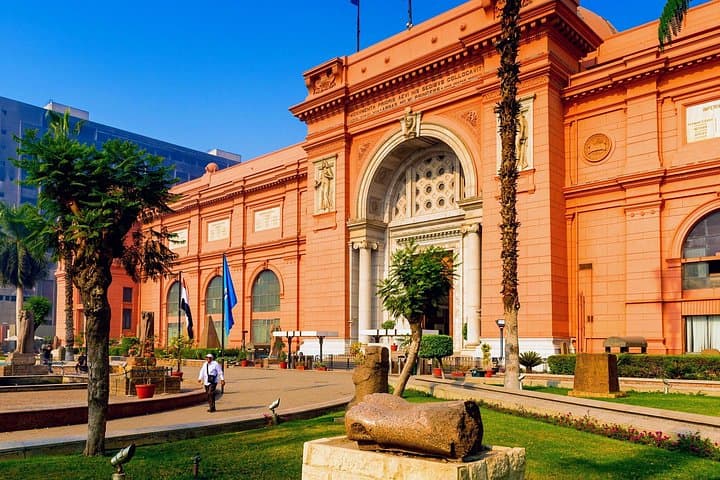
A focused four-day private tour linking Cairo’s Giza Plateau and Egyptian Museum with Luxor’s Valley of the Kings and Karnak. Expect guided site access, a Nile dinner cruise, domestic flights and hands-on historical immersion.
A focused four-day private tour linking Cairo’s Giza Plateau and Egyptian Museum with Luxor’s Valley of the Kings and Karnak. Expect guided site access, a Nile dinner cruise, domestic flights and hands-on historical immersion.
The morning heat presses against the sun-warmed stones as visitors step onto the Giza Plateau; dust lifts in small eddies and the Sphinx watches with the slow patience of millennia. Over four days a private guide threads the visitor between Cairo’s monumental archaeology and Luxor’s river-flanked temples, moving from the immediate, tactile presence of limestone blocks to the shadowed corridors of royal tombs.
Verified experiences and guided adventures in the surrounding area.
Operated by Luxor Private Day Tours · Cairo, Cairo Governorate
The morning heat presses against the sun-warmed stones as visitors step onto the Giza Plateau; dust lifts in small eddies and the Sphinx watches with the slow patience of millennia. Over four days a private guide threads the visitor between Cairo’s monumental archaeology and Luxor’s river-flanked temples, moving from the immediate, tactile presence of limestone blocks to the shadowed corridors of royal tombs.
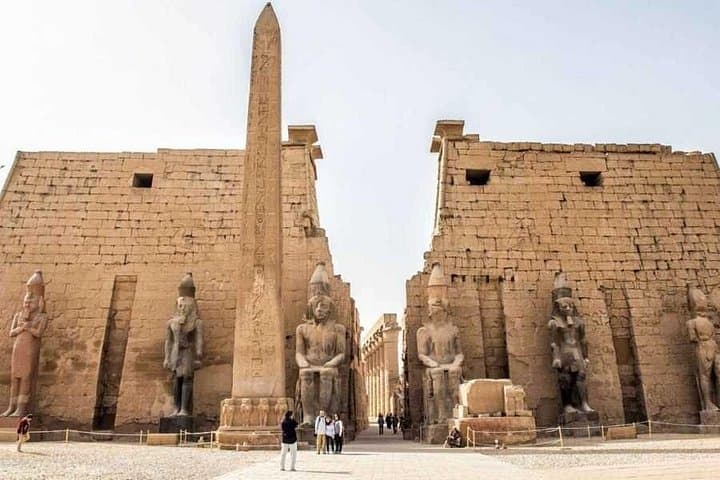
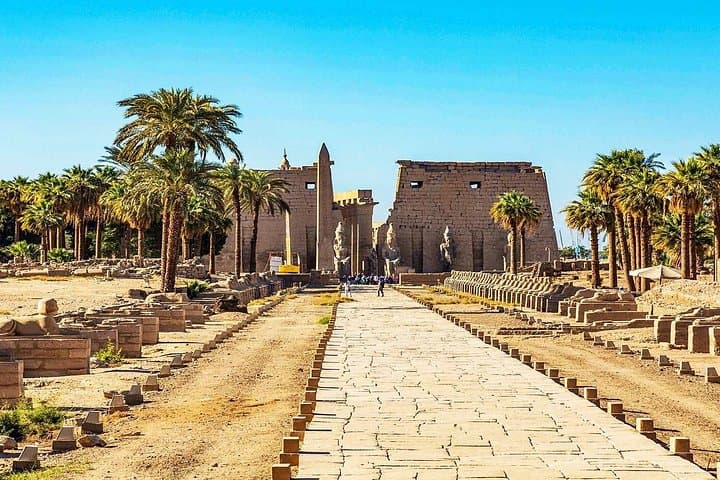
Cairo’s urban sprawl sits atop layers of history: Pharaonic monuments at Giza, the Great Museum’s collections, and medieval streets where Mamluk architecture and Ottoman-era markets shaped daily life. Geologically, the Nile Valley’s alluvial plain contrasts with the limestone quarries that fed pyramid construction; Luxor (ancient Thebes) preserves enormous temple complexes—Karnak and Luxor—and the West Bank necropolises carved into soft, orange sandstone.
Culturally the trip balances museum displays with living Cairo: market vendors, mosque calls, and Nile ferries that stitch neighborhoods together. In Luxor, the late-afternoon light makes colonnades blush and the river dares travelers to linger on a felucca or dinner cruise.
Practical guidance: plan for a mix of walking on uneven stone, short domestic flights, and several outdoor hours in strong sun. Start days early to avoid peak heat, bring a brimmed hat and a refillable water bottle, and budget modest local currency for tips and small purchases. Comfortable closed-toe shoes are essential for temple floors and tomb ramps. Expect assisted airport transfers and included entrance fees, but carry photocopies of travel documents and be prepared for security screening at major sites.
Yes—entrance fees to listed sites and domestic flights between Cairo and Luxor are included in the itinerary.
The tour is described as physically easy-to-moderate and can accommodate children and older travelers, though some tombs involve steps and uneven surfaces.
Tipping is customary; budget modest daily amounts (small bills) for your guide, driver, and hotel staff—your operator can advise current norms.
Most visitors require a valid passport and may need a visa for Egypt—check current entry requirements and ensure your passport has at least six months’ validity.
Luxor Private Day Tours operates guided outdoor trips and adventures with an emphasis on safety, stewardship, and memorable experiences.
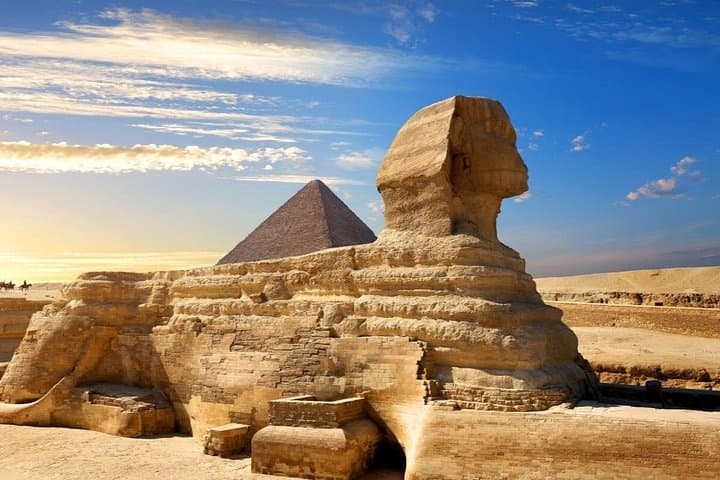
The morning heat presses against the sun-warmed stones as visitors step onto the Giza Plateau; dust lifts in small eddies and the Sphinx watches with the slow patience of millennia. Over four days a private guide threads the visitor between Cairo’s monumental archaeology and Luxor’s river-flanked temples, moving from the immediate, tactile presence of limestone blocks to the shadowed corridors of royal tombs.
The morning heat presses against the sun-warmed stones as visitors step onto the Giza Plateau; dust lifts in small eddies and the Sphinx watches with the slow patience of millennia. Over four days a private guide threads the visitor between Cairo’s monumental archaeology and Luxor’s river-flanked temples, moving from the immediate, tactile presence of limestone blocks to the shadowed corridors of royal tombs.
Cairo’s urban sprawl sits atop layers of history: Pharaonic monuments at Giza, the Great Museum’s collections, and medieval streets where Mamluk architecture and Ottoman-era markets shaped daily life. Geologically, the Nile Valley’s alluvial plain contrasts with the limestone quarries that fed pyramid construction; Luxor (ancient Thebes) preserves enormous temple complexes—Karnak and Luxor—and the West Bank necropolises carved into soft, orange sandstone.
Culturally the trip balances museum displays with living Cairo: market vendors, mosque calls, and Nile ferries that stitch neighborhoods together. In Luxor, the late-afternoon light makes colonnades blush and the river dares travelers to linger on a felucca or dinner cruise.
Practical guidance: plan for a mix of walking on uneven stone, short domestic flights, and several outdoor hours in strong sun. Start days early to avoid peak heat, bring a brimmed hat and a refillable water bottle, and budget modest local currency for tips and small purchases. Comfortable closed-toe shoes are essential for temple floors and tomb ramps. Expect assisted airport transfers and included entrance fees, but carry photocopies of travel documents and be prepared for security screening at major sites.