THE ADVENTURE COLLECTIVE® · Independent discovery and booking for outdoor travel

A focused four-day route from Phnom Penh to Siem Reap that pairs Angkor’s monumental temples with the living waterways of Tonle Sap. Expect polished museum visits, sunlit temple walks, and a close look at rural Cambodian life.
A focused four-day route from Phnom Penh to Siem Reap that pairs Angkor’s monumental temples with the living waterways of Tonle Sap. Expect polished museum visits, sunlit temple walks, and a close look at rural Cambodian life.
The day opens with humid Phnom Penh air and the low roar of the Mekong as you step from the airport into a van bound for the Royal Palace; the city moves around you in a pattern of scooters, street vendors and colonial facades.
Verified experiences and guided adventures in the surrounding area.
Operated by Bravo Indochina Tours · Siem Reap, Siem Reap Province
The day opens with humid Phnom Penh air and the low roar of the Mekong as you step from the airport into a van bound for the Royal Palace; the city moves around you in a pattern of scooters, street vendors and colonial facades.
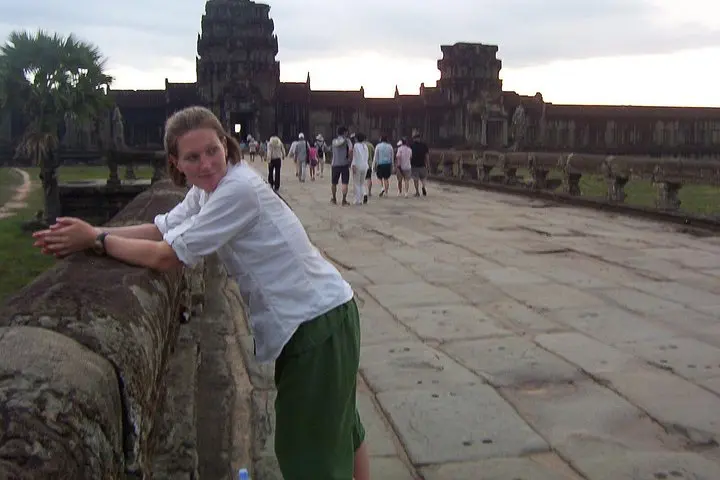
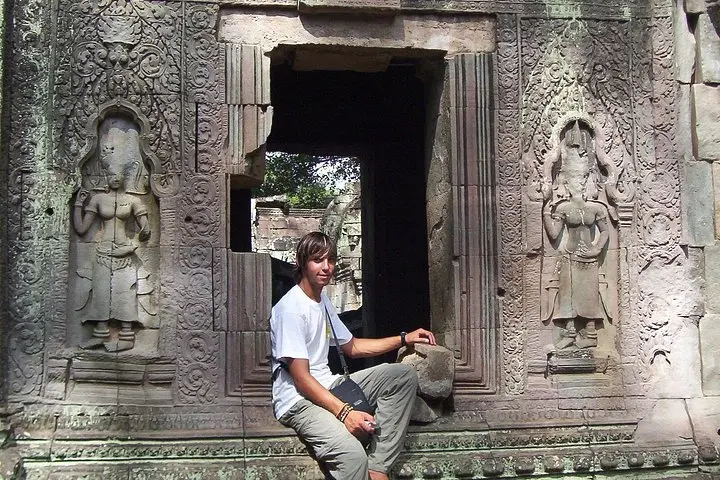
Over four days the tour moves from Khmer history displayed in polished museum galleries and the sobering exhibits of the Genocide Museum to the astonishing stone geometry of Angkor Wat and the watery villages of Tonle Sap. Angkor’s sandstone galleries, carved during the Khmer Empire between the 9th and 15th centuries, still hold the scale and narrative reliefs that defined an empire. The geology is simple — soft, weathered sandstone and laterite — but the erosion patterns and root-wrapped masonry at Ta Prohm make the ruins feel alive.
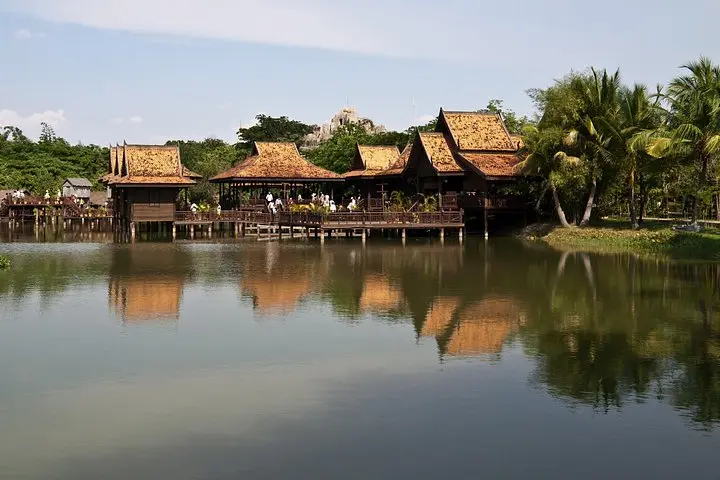
Culturally, the itinerary balances temples with village life: Kompong Phluk’s stilt houses and Senteurs d’Angkor’s artisan workshops show contemporary livelihoods alongside monuments. Expect long but manageable sightseeing days with multiple short walks across uneven temple platforms and boat passages over tidal channels that seem to push and pull like a living road.
Practical guidance: carry sunscreen and water, wear closed-toe shoes for temple rubble, and keep a light rain shell for sudden tropical downpours. Plan for early starts to avoid the heat and the largest crowds at Angkor, and bring small bills for village purchases and tipping. Confirm domestic flight logistics with your operator; the pace is comfortable but full—this is cultural travel with outdoor rhythm.
No, the Angkor Temple Pass is typically not included; you must purchase the pass on arrival in Siem Reap or confirm purchase with the operator.
The itinerary includes a transfer to the airport and a short flight to Siem Reap arranged by the operator; confirm flight details at booking.
Most visitors can obtain an e‑visa online or a visa-on-arrival; check current entry rules and have passport photos and USD-ready documents when arriving.
The tour includes several breakfasts and two lunches as listed; evening meals are typically at traveler’s expense unless specified.
Bravo Indochina Tours operates guided outdoor trips and adventures with an emphasis on safety, stewardship, and memorable experiences.
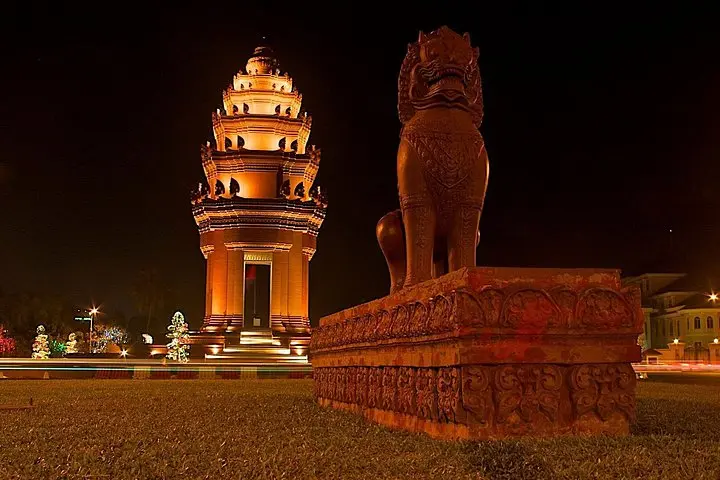
The day opens with humid Phnom Penh air and the low roar of the Mekong as you step from the airport into a van bound for the Royal Palace; the city moves around you in a pattern of scooters, street vendors and colonial facades.
The day opens with humid Phnom Penh air and the low roar of the Mekong as you step from the airport into a van bound for the Royal Palace; the city moves around you in a pattern of scooters, street vendors and colonial facades.
Over four days the tour moves from Khmer history displayed in polished museum galleries and the sobering exhibits of the Genocide Museum to the astonishing stone geometry of Angkor Wat and the watery villages of Tonle Sap. Angkor’s sandstone galleries, carved during the Khmer Empire between the 9th and 15th centuries, still hold the scale and narrative reliefs that defined an empire. The geology is simple — soft, weathered sandstone and laterite — but the erosion patterns and root-wrapped masonry at Ta Prohm make the ruins feel alive.
Culturally, the itinerary balances temples with village life: Kompong Phluk’s stilt houses and Senteurs d’Angkor’s artisan workshops show contemporary livelihoods alongside monuments. Expect long but manageable sightseeing days with multiple short walks across uneven temple platforms and boat passages over tidal channels that seem to push and pull like a living road.
Practical guidance: carry sunscreen and water, wear closed-toe shoes for temple rubble, and keep a light rain shell for sudden tropical downpours. Plan for early starts to avoid the heat and the largest crowds at Angkor, and bring small bills for village purchases and tipping. Confirm domestic flight logistics with your operator; the pace is comfortable but full—this is cultural travel with outdoor rhythm.