THE ADVENTURE COLLECTIVE® · Independent discovery and booking for outdoor travel

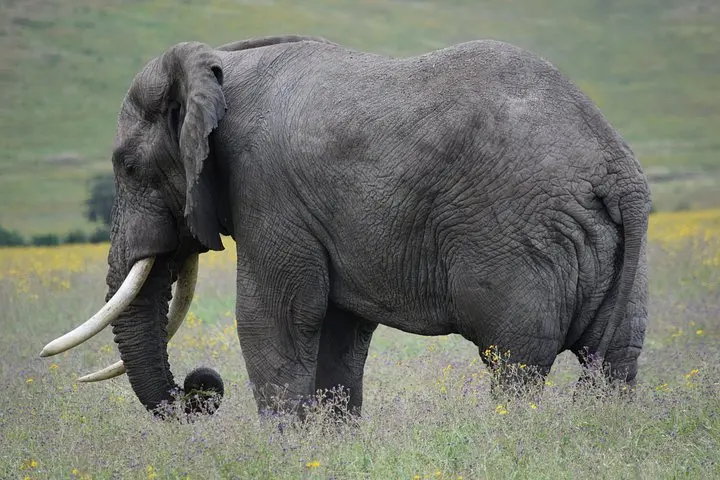
Spend four days crossing Tarangire, the Serengeti and Ngorongoro Crater from an Arusha base. This camping safari pairs intimate game drives with nights under canvas for close encounters with elephants, lions and dramatic crater scenery.
Spend four days crossing Tarangire, the Serengeti and Ngorongoro Crater from an Arusha base. This camping safari pairs intimate game drives with nights under canvas for close encounters with elephants, lions and dramatic crater scenery.
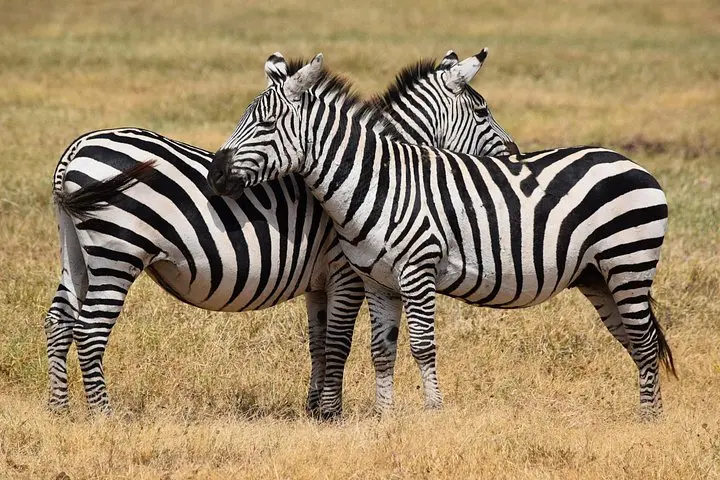
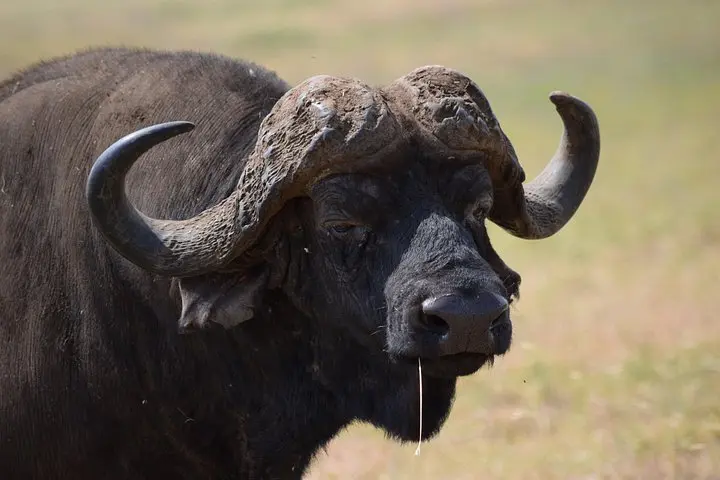
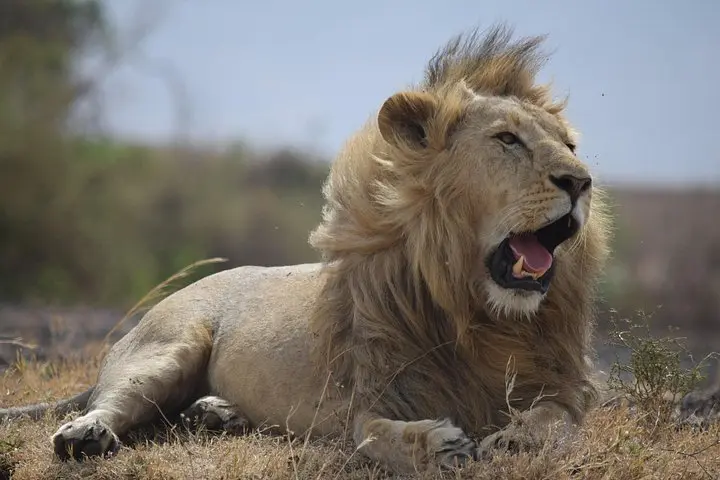
You step into a waking world of cracked earth and wide sky as the safari vehicle crunches past baobabs and acacia. Dawn spills over the plain; dust lifts in ribbons as herds thread toward the next waterhole and a distant lion yawns on a Seronera kopje. Over four days you’ll move from Tarangire’s elephant-rich river country to the open sweep of the Serengeti and finally descend 600 meters into the volcanic bowl of Ngorongoro Crater.
Verified experiences and guided adventures in the surrounding area.
Operated by African Overland · Arusha, Arusha Region
You step into a waking world of cracked earth and wide sky as the safari vehicle crunches past baobabs and acacia. Dawn spills over the plain; dust lifts in ribbons as herds thread toward the next waterhole and a distant lion yawns on a Seronera kopje. Over four days you’ll move from Tarangire’s elephant-rich river country to the open sweep of the Serengeti and finally descend 600 meters into the volcanic bowl of Ngorongoro Crater.
This landscape is written by the East African Rift and the slow collapse of ancient volcanoes—Ngorongoro itself is a caldera holding year-round water and dense wildlife. Maasai families have grazed the highlands for generations, and park management blends tourism revenue with community conservation efforts. Expect geology under your feet: volcanic soils, basalt ridges, and the sweeping, grassy plains shaped by migration.
Practically speaking, days begin early. Game drives are long and uneven—4x4 access and a seasoned guide are essential. Camps are basic but comfortable: Seronera and Simba campsites offer a sleeper’s respite after sun-baked afternoons. Pack layers for cold mornings, plenty of water for dusty drives, and a sharp pair of binoculars for scanning horizon lines.
Timing matters—dry months concentrate wildlife and make tracks easier; rains soften roads but bring newborns to the plains. Keep to vehicle tracks, respect distance to animals, and carry biodegradable waste out of the parks. This is a safari built for seeing—slow, deliberate, and driven by animal rhythms rather than a schedule.
Meals listed (breakfast x4, lunches, dinners) are included and Ngorongoro Crater entry is covered; check your voucher for specific inclusions.
This is a camping safari with established campsites—expect tented sleeping, shared facilities at camps, and cooked meals; standards vary by site.
The tour notes wheelchair accessibility and allows infants though infants must sit on laps; discuss individual needs with the operator before booking.
June–October (dry season) concentrates animals around water and improves road access; December–February is calving season in parts of the Serengeti and also productive for predators.
African Overland operates guided outdoor trips and adventures with an emphasis on safety, stewardship, and memorable experiences.
You step into a waking world of cracked earth and wide sky as the safari vehicle crunches past baobabs and acacia. Dawn spills over the plain; dust lifts in ribbons as herds thread toward the next waterhole and a distant lion yawns on a Seronera kopje. Over four days you’ll move from Tarangire’s elephant-rich river country to the open sweep of the Serengeti and finally descend 600 meters into the volcanic bowl of Ngorongoro Crater.
You step into a waking world of cracked earth and wide sky as the safari vehicle crunches past baobabs and acacia. Dawn spills over the plain; dust lifts in ribbons as herds thread toward the next waterhole and a distant lion yawns on a Seronera kopje. Over four days you’ll move from Tarangire’s elephant-rich river country to the open sweep of the Serengeti and finally descend 600 meters into the volcanic bowl of Ngorongoro Crater.
This landscape is written by the East African Rift and the slow collapse of ancient volcanoes—Ngorongoro itself is a caldera holding year-round water and dense wildlife. Maasai families have grazed the highlands for generations, and park management blends tourism revenue with community conservation efforts. Expect geology under your feet: volcanic soils, basalt ridges, and the sweeping, grassy plains shaped by migration.
Practically speaking, days begin early. Game drives are long and uneven—4x4 access and a seasoned guide are essential. Camps are basic but comfortable: Seronera and Simba campsites offer a sleeper’s respite after sun-baked afternoons. Pack layers for cold mornings, plenty of water for dusty drives, and a sharp pair of binoculars for scanning horizon lines.
Timing matters—dry months concentrate wildlife and make tracks easier; rains soften roads but bring newborns to the plains. Keep to vehicle tracks, respect distance to animals, and carry biodegradable waste out of the parks. This is a safari built for seeing—slow, deliberate, and driven by animal rhythms rather than a schedule.