THE ADVENTURE COLLECTIVE® · Independent discovery and booking for outdoor travel

Float above valleys at dawn or trace the hand-cut corridors of an underground city by torchlight: this four-day city break pairs a cave-hotel stay with guided walks to fairy chimneys, frescoed churches and pottery workshops. Practical transport, skip-the-line access and local guides keep the focus on the landscape and the people who still work it.
Float above valleys at dawn or trace the hand-cut corridors of an underground city by torchlight: this four-day city break pairs a cave-hotel stay with guided walks to fairy chimneys, frescoed churches and pottery workshops. Practical transport, skip-the-line access and local guides keep the focus on the landscape and the people who still work it.
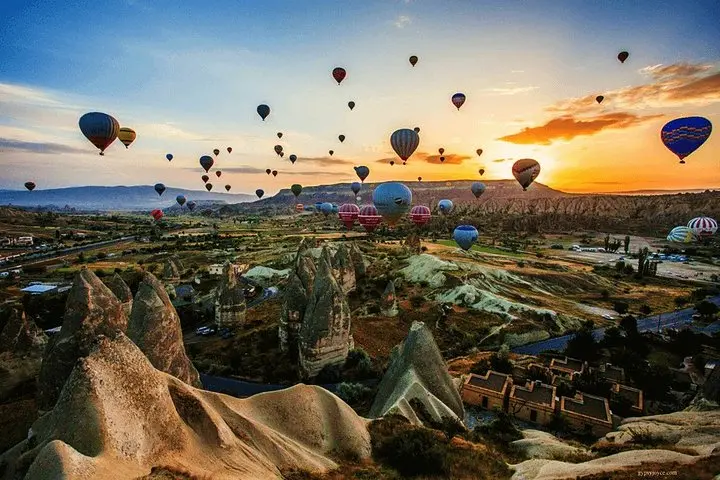
The first light in Cappadocia arrives like a slow reveal: a hundred balloons bloom above the valleys while the tuff rock, cooled from the night, loosens its ochre tones into pink and gold. A driver meets the group at Kayseri Airport and, within an hour, the bus drops off at a cave hotel whose stone doorway is barely wider than a storybook. Guests step into rooms carved from volcanic rock, windows framing a landscape where columns of stone—fairy chimneys—stand like weathered guardians.
Verified experiences and guided adventures in the surrounding area.
Operated by Tour Altinkum Travel · Göreme, Nevşehir
The first light in Cappadocia arrives like a slow reveal: a hundred balloons bloom above the valleys while the tuff rock, cooled from the night, loosens its ochre tones into pink and gold. A driver meets the group at Kayseri Airport and, within an hour, the bus drops off at a cave hotel whose stone doorway is barely wider than a storybook. Guests step into rooms carved from volcanic rock, windows framing a landscape where columns of stone—fairy chimneys—stand like weathered guardians.
Cappadocia is both geology and human history. Millions of years of volcanic ash compacted into tuff, then wind and water carved ridges and chimneys. Early Christians carved churches, storage rooms and entire underground cities into that same soft rock to shelter from raids and winter storms; the eight-level city you visit once hid 15,000 people behind a maze of corridors and cleverly ventilated shafts.
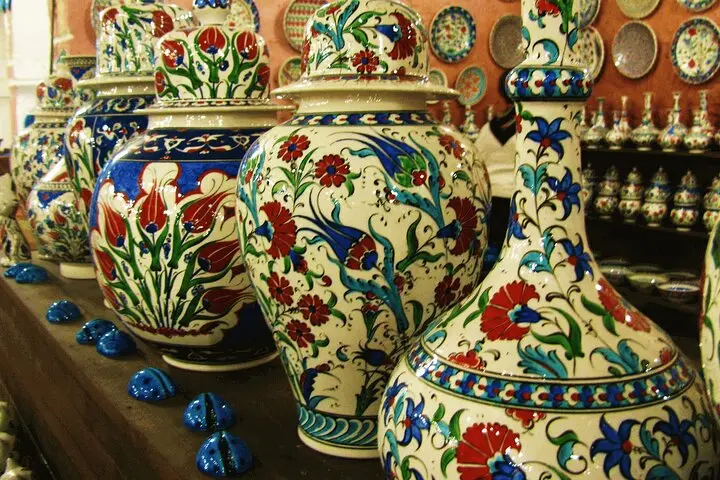
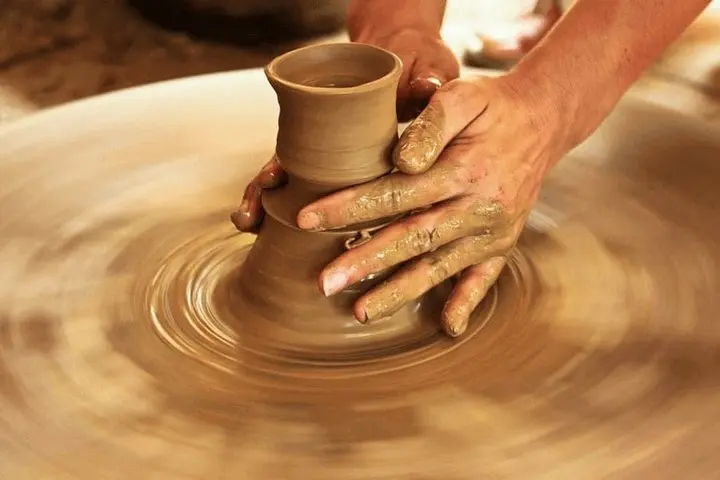
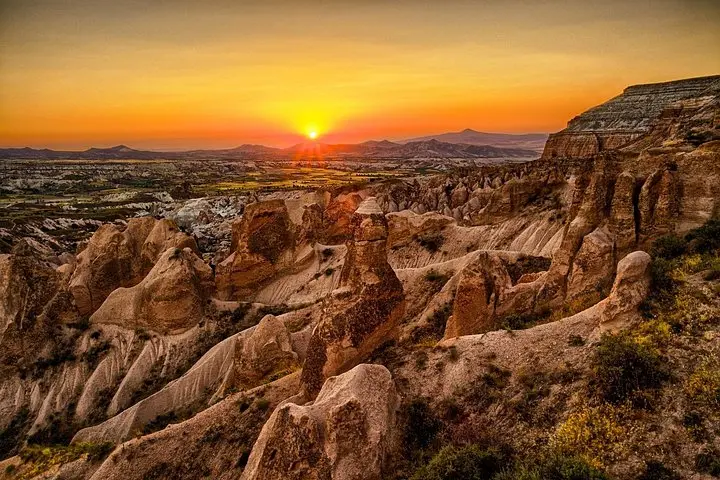
Over four days travelers follow a clear arc: valley walks at Rose and Red Valley where pink sandstone blushes under afternoon light; Pasabag’s mushroom-shaped chimneys and the hermitage niches of St. Simeon; the quirky sculptures of Devrent that resemble an animal menagerie in stone; and Avanos, the pottery town where local artisans show how the clay of the Kızılırmak River becomes bowls and jugs beneath practiced hands. Cavusin and Ortahisar offer narrow streets and rock-cut houses, while the Goreme Open Air Museum holds frescoed cave churches that map early Christian life in vivid pigments.
Culturally, Cappadocia still hums with rural rhythms—potters, pigeon keepers, and small guesthouses that run on family knowledge more than hotel chains. Practicalities shape the trip: guides hold skip-the-line tickets at major sites, balloon flights are optional and weather-dependent, and the itinerary includes airport transfers and three nights in a cave guesthouse.
For travelers, the essentials are straightforward. Hikes are short to moderate (plan on 3–6 km of walking per day on uneven tuff trails with intermittent climbs of up to 200–300 m). The underground cities are cool, narrow and require stooping; anyone with claustrophobia should prepare. Sunrise is the best time for balloon silhouettes and panoramic photos; late afternoon reveals the valley colors at their most intense.
Bring sturdy shoes, layered clothing for large diurnal swings, and a refillable water bottle—tap water is safe but dry air dehydrates quickly. Allow time between sites to sit in a village café, watch a potter’s wheel turn and let the region’s layered history settle in. With attentive guides and a cave roof over your head, Cappadocia delivers a compact, elemental travel experience where rock, sky and human craft meet on equal terms.
No—the balloon flight is optional and not included in the tour price; the provider can reserve a spot but payment is made locally and flights depend on weather conditions.
Most major site entrance fees are handled by the guide with skip-the-line tickets, but bring cash for small purchases, tips and the pottery workshop purchases.
They involve steep steps, low ceilings and narrow corridors; people with limited mobility or serious claustrophobia may find them challenging.
Guides typically speak English and may offer other languages on request—confirm when booking if you need a specific language.
Pick-ups are arranged around flight arrival time—share your arrival details during booking; transfers to Cappadocia take roughly 60–90 minutes by road.
Cave rooms are naturally cool; hotels provide heating or extra blankets in colder months—bring a light layer for evenings.
Tour Altinkum Travel operates guided outdoor trips and adventures with an emphasis on safety, stewardship, and memorable experiences.
The first light in Cappadocia arrives like a slow reveal: a hundred balloons bloom above the valleys while the tuff rock, cooled from the night, loosens its ochre tones into pink and gold. A driver meets the group at Kayseri Airport and, within an hour, the bus drops off at a cave hotel whose stone doorway is barely wider than a storybook. Guests step into rooms carved from volcanic rock, windows framing a landscape where columns of stone—fairy chimneys—stand like weathered guardians.
The first light in Cappadocia arrives like a slow reveal: a hundred balloons bloom above the valleys while the tuff rock, cooled from the night, loosens its ochre tones into pink and gold. A driver meets the group at Kayseri Airport and, within an hour, the bus drops off at a cave hotel whose stone doorway is barely wider than a storybook. Guests step into rooms carved from volcanic rock, windows framing a landscape where columns of stone—fairy chimneys—stand like weathered guardians.
Cappadocia is both geology and human history. Millions of years of volcanic ash compacted into tuff, then wind and water carved ridges and chimneys. Early Christians carved churches, storage rooms and entire underground cities into that same soft rock to shelter from raids and winter storms; the eight-level city you visit once hid 15,000 people behind a maze of corridors and cleverly ventilated shafts.
Over four days travelers follow a clear arc: valley walks at Rose and Red Valley where pink sandstone blushes under afternoon light; Pasabag’s mushroom-shaped chimneys and the hermitage niches of St. Simeon; the quirky sculptures of Devrent that resemble an animal menagerie in stone; and Avanos, the pottery town where local artisans show how the clay of the Kızılırmak River becomes bowls and jugs beneath practiced hands. Cavusin and Ortahisar offer narrow streets and rock-cut houses, while the Goreme Open Air Museum holds frescoed cave churches that map early Christian life in vivid pigments.
Culturally, Cappadocia still hums with rural rhythms—potters, pigeon keepers, and small guesthouses that run on family knowledge more than hotel chains. Practicalities shape the trip: guides hold skip-the-line tickets at major sites, balloon flights are optional and weather-dependent, and the itinerary includes airport transfers and three nights in a cave guesthouse.
For travelers, the essentials are straightforward. Hikes are short to moderate (plan on 3–6 km of walking per day on uneven tuff trails with intermittent climbs of up to 200–300 m). The underground cities are cool, narrow and require stooping; anyone with claustrophobia should prepare. Sunrise is the best time for balloon silhouettes and panoramic photos; late afternoon reveals the valley colors at their most intense.
Bring sturdy shoes, layered clothing for large diurnal swings, and a refillable water bottle—tap water is safe but dry air dehydrates quickly. Allow time between sites to sit in a village café, watch a potter’s wheel turn and let the region’s layered history settle in. With attentive guides and a cave roof over your head, Cappadocia delivers a compact, elemental travel experience where rock, sky and human craft meet on equal terms.