THE ADVENTURE COLLECTIVE® · Independent discovery and booking for outdoor travel

Cross Morocco in four days from Casablanca to Marrakech via Fez and the Merzouga dunes. This road-based tour blends imperial cities, Atlas passes, desert nights and UNESCO kasbahs into a compact, accessible itinerary.
Cross Morocco in four days from Casablanca to Marrakech via Fez and the Merzouga dunes. This road-based tour blends imperial cities, Atlas passes, desert nights and UNESCO kasbahs into a compact, accessible itinerary.
Dawn light slides across Hassan II’s minaret as the van eases out of Casablanca and the country unfolds: Atlantic portscapes give way to ochre medinas, cedar forests and a horizon of rippling dunes. On this four-day route you move through Morocco’s living chapters — imperial Fez, the cool lawns of Ifrane, the cedar-studded Middle Atlas, the orange sands of Erg Chebbi at Merzouga, narrow Toudra gorges and the film-set kasbahs around Ouarzazate before the high pass into Marrakech.
Verified experiences and guided adventures in the surrounding area.
Operated by Chez Ali Marrakech · Merzouga, Drâa-Tafilalet
Dawn light slides across Hassan II’s minaret as the van eases out of Casablanca and the country unfolds: Atlantic portscapes give way to ochre medinas, cedar forests and a horizon of rippling dunes. On this four-day route you move through Morocco’s living chapters — imperial Fez, the cool lawns of Ifrane, the cedar-studded Middle Atlas, the orange sands of Erg Chebbi at Merzouga, narrow Toudra gorges and the film-set kasbahs around Ouarzazate before the high pass into Marrakech.
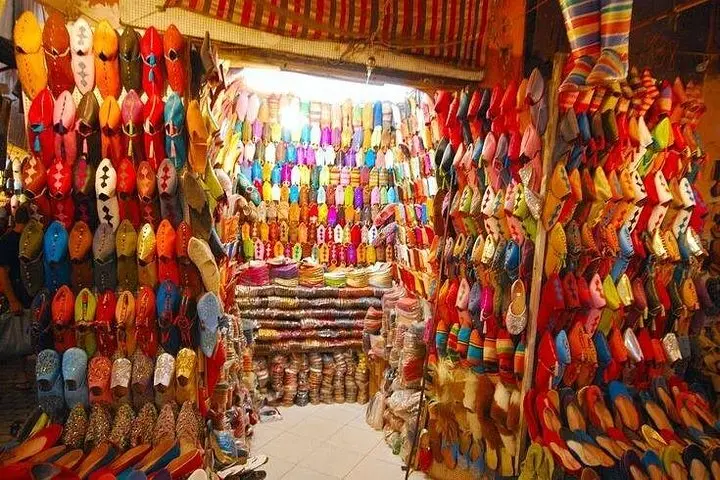
History resides in the streets and stones: Fez el-Bali’s medieval artisans, Ait Ben Haddou’s fortified ksar—an 11th-century caravan hub and UNESCO site—and caravan routes carved by geology and trade. The Atlas is limestone shoulder and folded strata; the Sahara here is wind-sculpted sand that moves like a living thing, reshaping dunes overnight. Cultural notes: expect Berber (Amazigh) hospitality, tagines cooked slow, and riads that trade city noise for interior courtyards.
Practically, the trip is driving-intensive but low-impact physically; transfer distances exceed 4–6 hours on some days with short walking excursions and a guided desert camp night. Sunrise and sunset at Erg Chebbi are the real draws—plan hours around them for photos and cooler temperatures. Carry cash for small purchases and tips, bring layered clothing for hot days and cold desert nights, protect against sun and dust, and book accommodations in advance during high season. With sensible pacing, this route is an efficient window into Morocco’s geography, history and hospitality.
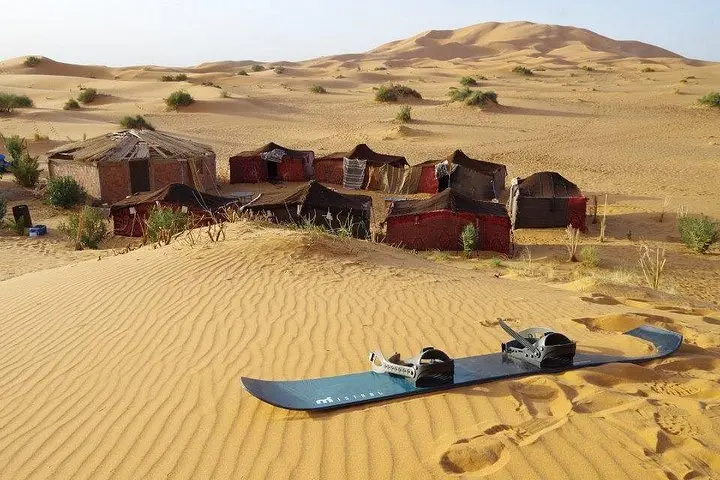
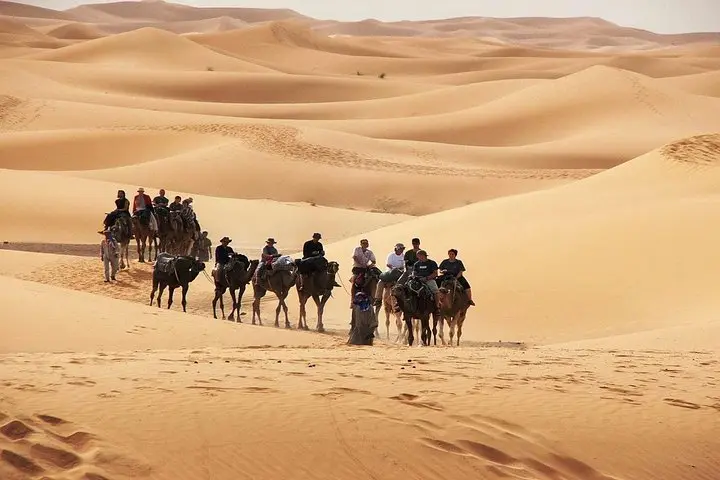
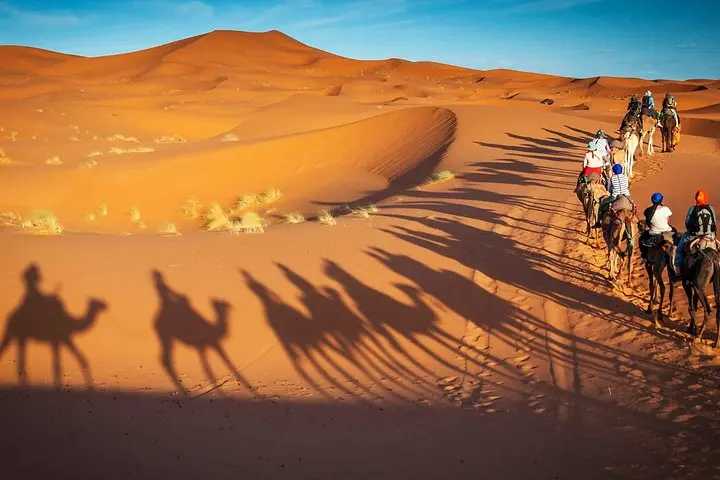
The itinerary includes an overnight in a traditional camp in Merzouga and usually a short camel transfer to camp; confirm inclusions at booking.
Expect several long drives—some legs are 4–6 hours; the route is designed for scenic stops but includes extended transfer time.
Yes if they are comfortable with long car transfers and basic desert camp accommodations; notify the operator of special needs.
Visa requirements depend on nationality; no special vaccinations are universally required but check current health advice before travel.
Chez Ali Marrakech operates guided outdoor trips and adventures with an emphasis on safety, stewardship, and memorable experiences.
Dawn light slides across Hassan II’s minaret as the van eases out of Casablanca and the country unfolds: Atlantic portscapes give way to ochre medinas, cedar forests and a horizon of rippling dunes. On this four-day route you move through Morocco’s living chapters — imperial Fez, the cool lawns of Ifrane, the cedar-studded Middle Atlas, the orange sands of Erg Chebbi at Merzouga, narrow Toudra gorges and the film-set kasbahs around Ouarzazate before the high pass into Marrakech.
Dawn light slides across Hassan II’s minaret as the van eases out of Casablanca and the country unfolds: Atlantic portscapes give way to ochre medinas, cedar forests and a horizon of rippling dunes. On this four-day route you move through Morocco’s living chapters — imperial Fez, the cool lawns of Ifrane, the cedar-studded Middle Atlas, the orange sands of Erg Chebbi at Merzouga, narrow Toudra gorges and the film-set kasbahs around Ouarzazate before the high pass into Marrakech.
History resides in the streets and stones: Fez el-Bali’s medieval artisans, Ait Ben Haddou’s fortified ksar—an 11th-century caravan hub and UNESCO site—and caravan routes carved by geology and trade. The Atlas is limestone shoulder and folded strata; the Sahara here is wind-sculpted sand that moves like a living thing, reshaping dunes overnight. Cultural notes: expect Berber (Amazigh) hospitality, tagines cooked slow, and riads that trade city noise for interior courtyards.
Practically, the trip is driving-intensive but low-impact physically; transfer distances exceed 4–6 hours on some days with short walking excursions and a guided desert camp night. Sunrise and sunset at Erg Chebbi are the real draws—plan hours around them for photos and cooler temperatures. Carry cash for small purchases and tips, bring layered clothing for hot days and cold desert nights, protect against sun and dust, and book accommodations in advance during high season. With sensible pacing, this route is an efficient window into Morocco’s geography, history and hospitality.