THE ADVENTURE COLLECTIVE® · Independent discovery and booking for outdoor travel

Move from Da Nang’s marble cliffs to cloud-wreathed Ba Na Hills, lanterned alleys of Hoi An and the ancient towers of My Son in a compact four-day loop. This itinerary blends easy logistics with hands-on cultural encounters and varied terrain.
Move from Da Nang’s marble cliffs to cloud-wreathed Ba Na Hills, lanterned alleys of Hoi An and the ancient towers of My Son in a compact four-day loop. This itinerary blends easy logistics with hands-on cultural encounters and varied terrain.
The morning air off the South China Sea sharpens into focus as the driver threads coastal roads toward Da Nang’s marble cliffs. On day one, the city’s sculpted stone faces and a towering Bodhisattva set the tone: human hands meet limestone and sea, and history is written in stone and salt.
Verified experiences and guided adventures in the surrounding area.
Operated by Vietnam Window Travel · Da Nang, Da Nang
The morning air off the South China Sea sharpens into focus as the driver threads coastal roads toward Da Nang’s marble cliffs. On day one, the city’s sculpted stone faces and a towering Bodhisattva set the tone: human hands meet limestone and sea, and history is written in stone and salt.
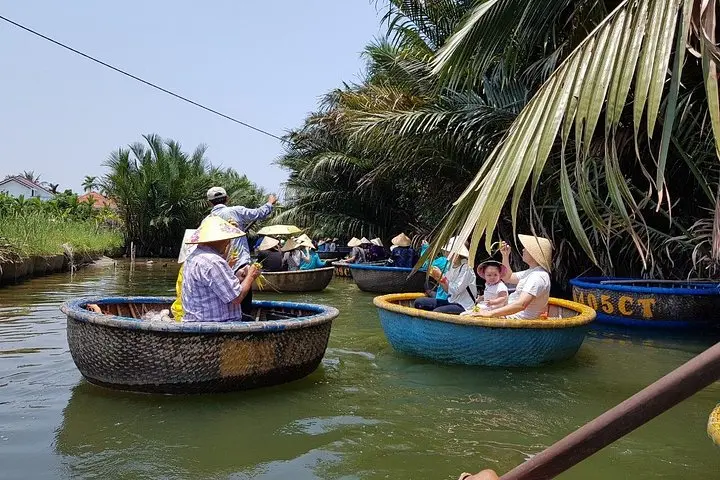
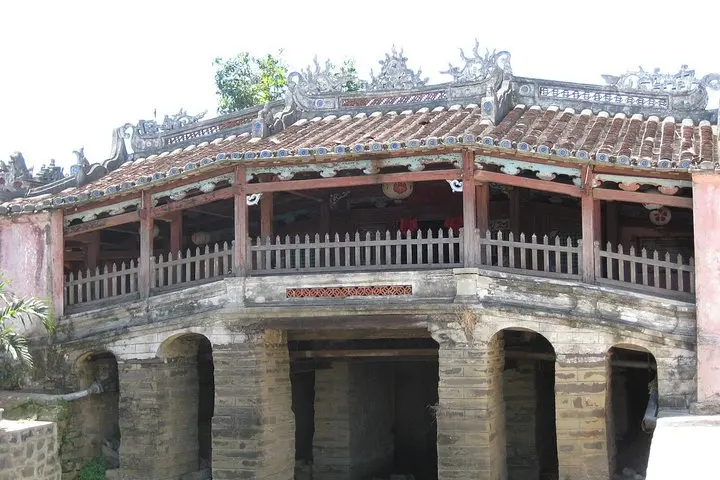
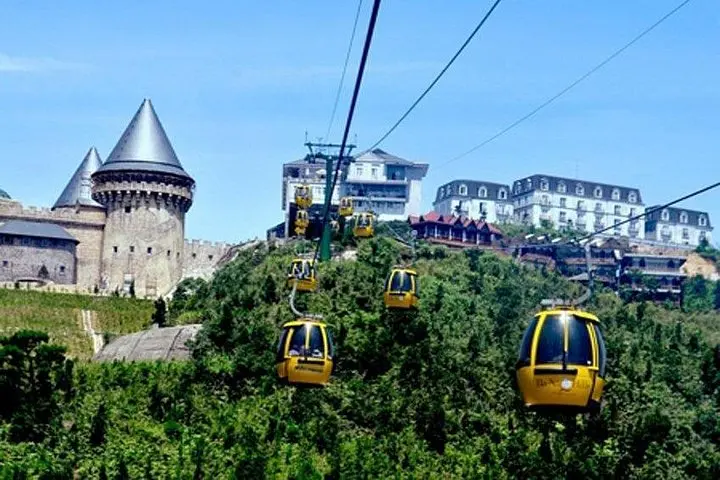
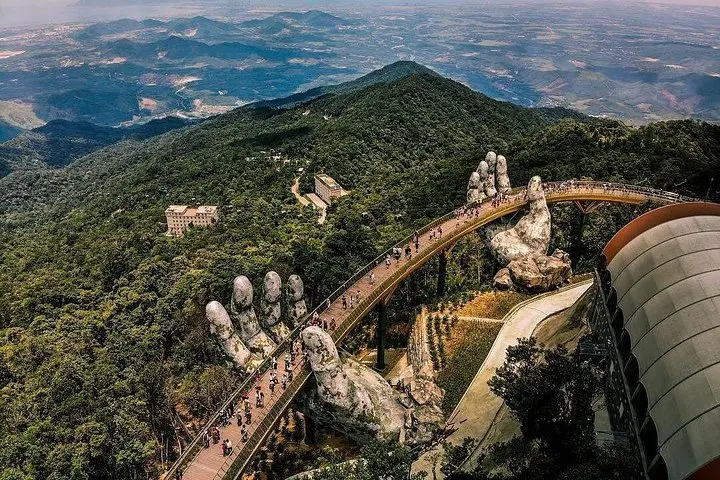
Over four days travelers move from busy port city to highland cool. Ba Na Hills rises out of cloud—its French colonial ruins, cable car that climbs nearly 1,500 meters, and the Golden Bridge over mossy slopes reveal contrasts between geology and empire. Hoi An’s lantern-lit streets preserve trading-house facades and Chinese-Portuguese assembly halls; the town’s paper lantern craft and riverside markets still hum with local life. My Son’s red-brick Cham towers, carved a millennium ago, sit half-swallowed by jungle, offering clear evidence of powerful maritime kingdoms and Hindu influence in central Vietnam.
Expect light to moderate walking each day: paved city streets, steep steps at pagodas, uneven paths through temple clearings, and short hikes on Ba Na’s summit. Cultural context is constant—Cham sculpture, French villa ruins, and riverside craft villages are the highlights.
Practical guidance: plan for sudden rain and temperature swings on Ba Na; carry a small daypack with water, sun protection, and comfortable walking shoes. Currency and ID are required for some admissions; bring copies. Mornings are best for My Son to avoid heat and crowds; evenings shine in Hoi An for photography.
This itinerary balances easy logistics—private transport and most admissions included—with authentic encounters of Vietnam’s central coast, making it an efficient introduction to the region’s geology, history, and living culture.
Most major admissions (Ba Na cable car, Ba Na attractions, My Son) are included per the itinerary; check your booking for specifics and any optional extras.
The tour provides private transportation and accessible locations in cities, but Ba Na and My Son have steep steps and uneven ground—notify the operator in advance to discuss accommodations.
Pack layers: lightweight shirts for daytime, a warmer layer for Ba Na’s summit, and a rain jacket for sudden showers.
International travelers should carry a valid passport; visa rules vary by nationality—bring passport copies as many sites and transfers require ID for booking.
Vietnam Window Travel operates guided outdoor trips and adventures with an emphasis on safety, stewardship, and memorable experiences.
The morning air off the South China Sea sharpens into focus as the driver threads coastal roads toward Da Nang’s marble cliffs. On day one, the city’s sculpted stone faces and a towering Bodhisattva set the tone: human hands meet limestone and sea, and history is written in stone and salt.
The morning air off the South China Sea sharpens into focus as the driver threads coastal roads toward Da Nang’s marble cliffs. On day one, the city’s sculpted stone faces and a towering Bodhisattva set the tone: human hands meet limestone and sea, and history is written in stone and salt.
Over four days travelers move from busy port city to highland cool. Ba Na Hills rises out of cloud—its French colonial ruins, cable car that climbs nearly 1,500 meters, and the Golden Bridge over mossy slopes reveal contrasts between geology and empire. Hoi An’s lantern-lit streets preserve trading-house facades and Chinese-Portuguese assembly halls; the town’s paper lantern craft and riverside markets still hum with local life. My Son’s red-brick Cham towers, carved a millennium ago, sit half-swallowed by jungle, offering clear evidence of powerful maritime kingdoms and Hindu influence in central Vietnam.
Expect light to moderate walking each day: paved city streets, steep steps at pagodas, uneven paths through temple clearings, and short hikes on Ba Na’s summit. Cultural context is constant—Cham sculpture, French villa ruins, and riverside craft villages are the highlights.
Practical guidance: plan for sudden rain and temperature swings on Ba Na; carry a small daypack with water, sun protection, and comfortable walking shoes. Currency and ID are required for some admissions; bring copies. Mornings are best for My Son to avoid heat and crowds; evenings shine in Hoi An for photography.
This itinerary balances easy logistics—private transport and most admissions included—with authentic encounters of Vietnam’s central coast, making it an efficient introduction to the region’s geology, history, and living culture.