THE ADVENTURE COLLECTIVE® · Independent discovery and booking for outdoor travel

Four packed days across northern Tanzania: game drives in elephant‑rich Tarangire, a full day inside Ngorongoro Crater, and a cultural hike to Materuni Waterfall with Chagga coffee tasting. Practical, comfortable, and wildlife‑focused.
Four packed days across northern Tanzania: game drives in elephant‑rich Tarangire, a full day inside Ngorongoro Crater, and a cultural hike to Materuni Waterfall with Chagga coffee tasting. Practical, comfortable, and wildlife‑focused.
You step off the transfer in Arusha and the air immediately shifts—dry savanna heat to the scent of coffee and wood smoke—this is the first pulse of a northern Tanzania safari.
Verified experiences and guided adventures in the surrounding area.
Operated by Sarafu Travel · Arusha, Arusha Region
You step off the transfer in Arusha and the air immediately shifts—dry savanna heat to the scent of coffee and wood smoke—this is the first pulse of a northern Tanzania safari.
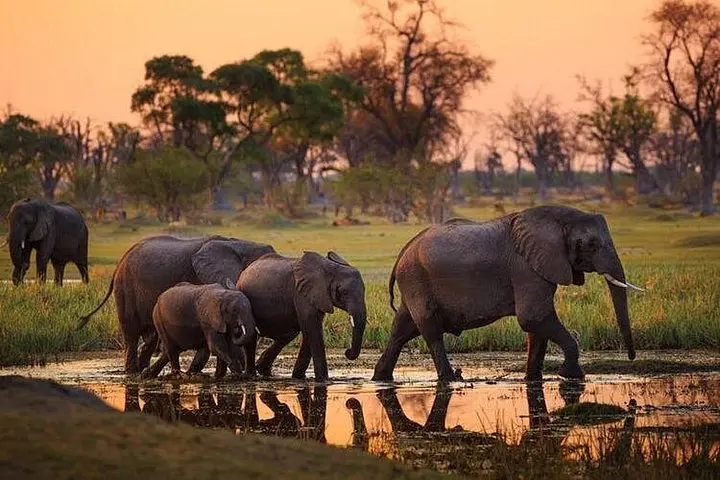
Over four days the route moves from Tarangire’s rolling grasslands and ancient baobabs, into the thunderous amphitheatre of Ngorongoro Crater, and finally up to the green slopes of Kilimanjaro at Materuni Village. Tarangire’s river system gathers elephants and birdlife into broad, watchful herds; the crater is a 600‑metre geological bowl carved from a collapsed volcano, dense with grazers and their predators; Materuni is Chagga country, where coffee terraces and a 80‑metre waterfall punctuate the mountain foothills.
History here is lived—Maasai communities have roamed Tarangire for generations, while Ngorongoro’s conservation model balances pastoral use with protected wildlife. Geology explains the crater’s richness: a caldera that traps water and soil, creating concentrated ecology. Culturally, a Materuni visit surfaces coffee processing techniques that shaped local economies and daily life.
Practically, expect long drives in a 4x4 with early starts for prime game-viewing, park fees included for non‑residents, and comfortable lodges each night. The Materuni waterfall hike is roughly 45 minutes on uneven trail—sturdy shoes recommended—and a swim is possible year-round when flows permit. Carry sun protection, insect repellent, a refillable water bottle, and small cash for village purchases and tips. Guides read the land here—follow their briefing, keep distance from wildlife, and time your days to morning and late afternoon light for the best sightings and photographs.
Park fees for non‑residents are included as specified in the tour inclusions, but verify if any additional conservancy fees apply at time of travel.
June–October offers drier conditions and concentrated wildlife viewing; short rains (November) and long rains (March–May) bring greener scenery but more difficult roads.
Swimming is generally safe in calmer pools but conditions vary; follow your guide’s advice about water levels and currents before entering.
The itinerary notes wheelchair accessibility for some components, but the waterfall hike and getting in/out of safari vehicles require mobility—confirm specific needs with the operator.
Sarafu Travel operates guided outdoor trips and adventures with an emphasis on safety, stewardship, and memorable experiences.

You step off the transfer in Arusha and the air immediately shifts—dry savanna heat to the scent of coffee and wood smoke—this is the first pulse of a northern Tanzania safari.
You step off the transfer in Arusha and the air immediately shifts—dry savanna heat to the scent of coffee and wood smoke—this is the first pulse of a northern Tanzania safari.
Over four days the route moves from Tarangire’s rolling grasslands and ancient baobabs, into the thunderous amphitheatre of Ngorongoro Crater, and finally up to the green slopes of Kilimanjaro at Materuni Village. Tarangire’s river system gathers elephants and birdlife into broad, watchful herds; the crater is a 600‑metre geological bowl carved from a collapsed volcano, dense with grazers and their predators; Materuni is Chagga country, where coffee terraces and a 80‑metre waterfall punctuate the mountain foothills.
History here is lived—Maasai communities have roamed Tarangire for generations, while Ngorongoro’s conservation model balances pastoral use with protected wildlife. Geology explains the crater’s richness: a caldera that traps water and soil, creating concentrated ecology. Culturally, a Materuni visit surfaces coffee processing techniques that shaped local economies and daily life.
Practically, expect long drives in a 4x4 with early starts for prime game-viewing, park fees included for non‑residents, and comfortable lodges each night. The Materuni waterfall hike is roughly 45 minutes on uneven trail—sturdy shoes recommended—and a swim is possible year-round when flows permit. Carry sun protection, insect repellent, a refillable water bottle, and small cash for village purchases and tips. Guides read the land here—follow their briefing, keep distance from wildlife, and time your days to morning and late afternoon light for the best sightings and photographs.