THE ADVENTURE COLLECTIVE® · Independent discovery and booking for outdoor travel

A compact four-day route from Colombo through Kandy, Sigiriya, Trincomalee and Anuradhapura that pairs ancient ruins with coastal snorkeling. Expect steep short climbs, long drives and a dive into Sri Lanka’s layered history.
A compact four-day route from Colombo through Kandy, Sigiriya, Trincomalee and Anuradhapura that pairs ancient ruins with coastal snorkeling. Expect steep short climbs, long drives and a dive into Sri Lanka’s layered history.
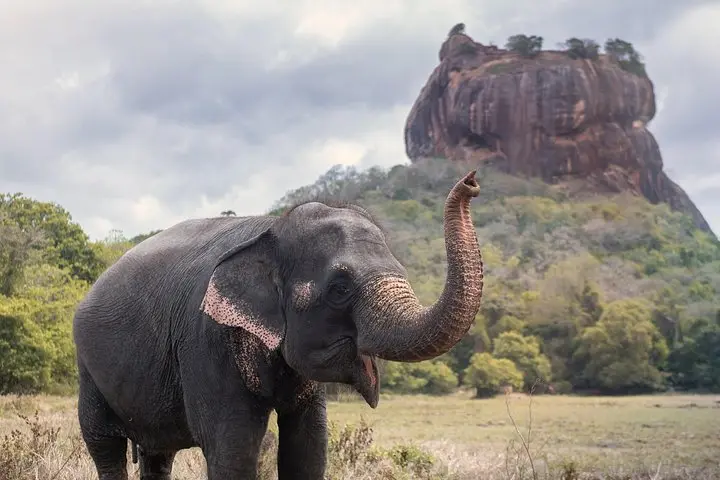
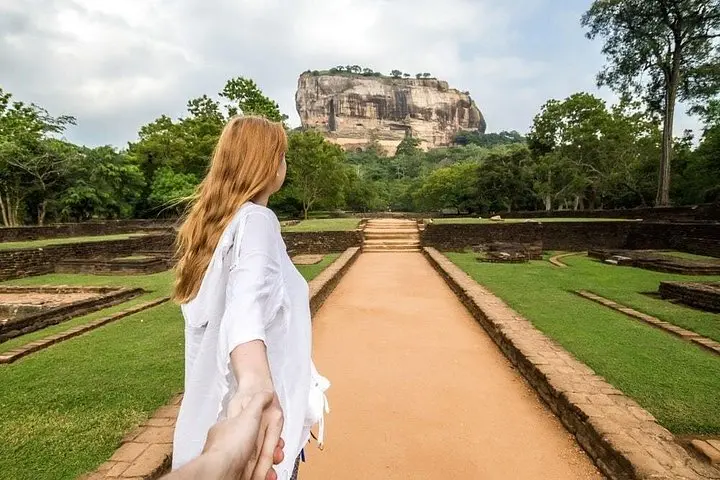
On the first morning, the bus slips out of Colombo’s frantic traffic and the city’s heat loosens its grip. Hills begin to rise; tea estates appear like folded green skin across the landscape and the air cools. Travelers find themselves at Kandy’s lake, where temple bells and the steady clip of tuk-tuks form a local rhythm. Later, the sheer face of Sigiriya — a basalt monolith thrust nearly 200 meters above forested plains — pins the eye and asks to be climbed.
Verified experiences and guided adventures in the surrounding area.
Operated by Apple Vacations Pvt Ltd · Colombo, Western Province
On the first morning, the bus slips out of Colombo’s frantic traffic and the city’s heat loosens its grip. Hills begin to rise; tea estates appear like folded green skin across the landscape and the air cools. Travelers find themselves at Kandy’s lake, where temple bells and the steady clip of tuk-tuks form a local rhythm. Later, the sheer face of Sigiriya — a basalt monolith thrust nearly 200 meters above forested plains — pins the eye and asks to be climbed.
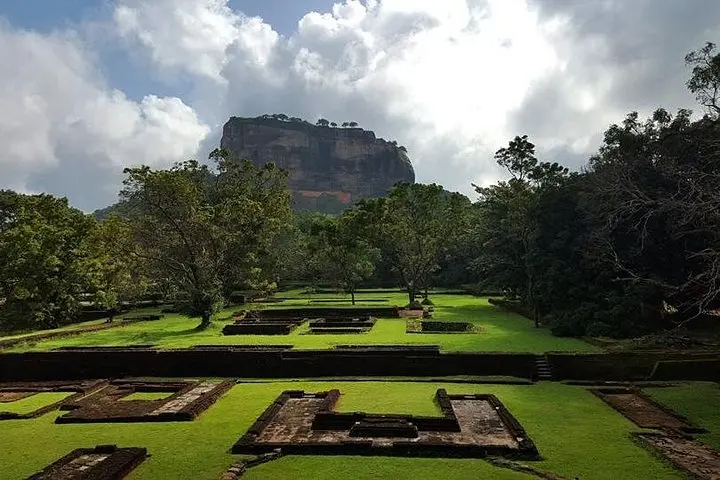
This four-day circuit stitches together Sri Lanka’s central highlands, its ancient capitals and its eastern harbor. Kandy was the last royal capital of the island’s Sinhalese kingdom and still holds the Temple of the Sacred Tooth Relic, the nucleus of Buddhist ritual and processions. North of Kandy, Dambulla’s cave temples shelter painted Buddhas in dimened rock chambers carved into a calcareous bluff, while Sigiriya’s engineered water gardens and remnants of a sky palace reveal urban ambition from the 5th century CE.
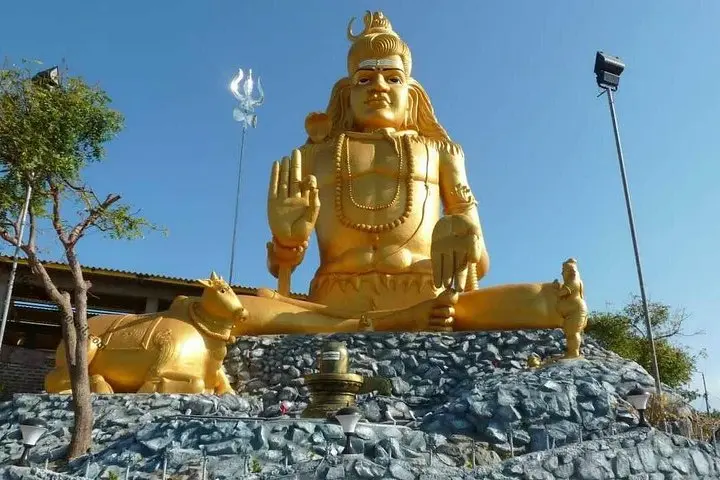
Trincomalee, on the east coast, sits on one of the world’s finest natural harbors — its promontories bearing layers of Portuguese, Dutch and British history. From the Koneswaram temple bluff the harbor spreads blue and restless; offshore, Pigeon Island guards coral gardens that make for accessible snorkeling. The drive west to Anuradhapura returns travelers to the oldest layers of Sri Lanka’s recorded past: stupas and the sacred Bo tree, living memorials to a state that organized irrigation and monumental brick construction a millennium ago.
Practicalities matter on this compact itinerary. The route covers roughly 400–500 km of driving spread over four days; expect long transfer windows of two to five hours between sites depending on traffic. The Sigiriya climb involves steep metal stair sections and roughly 60–90 minutes round-trip for fit travelers; wear grippy shoes and carry water. Temple visits require modest dress — shoulders and knees covered — and shoes removed before entry. Snorkeling at Pigeon Island is seasonal; coral visibility is best between March and September.
The tour balances history and nature with simple comforts: air-conditioned transfers, three nights’ accommodation and meals included. Travelers should be in moderate shape, able to handle repeated short climbs and several hours on foot each day. Bring sunscreen, a light rain layer (monsoon squalls can be sudden), insect repellent and a camera with a wide-angle lens for Sigiriya’s panoramas. With planning and sensible pacing, these four days condense Sri Lanka’s layered past and vivid coasts into a single, memorable sweep.
The climb involves about 200 meters of elevation with stairs and narrow walkways; fit travelers can do it in 60–90 minutes including photo stops.
Most itineraries include transfer and accommodation; confirm whether national park or monument entry fees are covered at booking.
Yes — the boat trip and beach time are enjoyable without snorkeling; wear a life jacket if on the boat or in deeper water.
The tour provides transport with space for standard luggage; keep valuables and any medication in a daypack you carry with you.
Families and seniors can take this tour if they have moderate mobility; the itinerary includes climbs and long drives, so pace accordingly.
Carry a valid passport, some Sri Lankan rupees for small purchases and temple donations; major cards may work in hotels but not at small vendors.
Apple Vacations Pvt Ltd operates guided outdoor trips and adventures with an emphasis on safety, stewardship, and memorable experiences.
On the first morning, the bus slips out of Colombo’s frantic traffic and the city’s heat loosens its grip. Hills begin to rise; tea estates appear like folded green skin across the landscape and the air cools. Travelers find themselves at Kandy’s lake, where temple bells and the steady clip of tuk-tuks form a local rhythm. Later, the sheer face of Sigiriya — a basalt monolith thrust nearly 200 meters above forested plains — pins the eye and asks to be climbed.
On the first morning, the bus slips out of Colombo’s frantic traffic and the city’s heat loosens its grip. Hills begin to rise; tea estates appear like folded green skin across the landscape and the air cools. Travelers find themselves at Kandy’s lake, where temple bells and the steady clip of tuk-tuks form a local rhythm. Later, the sheer face of Sigiriya — a basalt monolith thrust nearly 200 meters above forested plains — pins the eye and asks to be climbed.
This four-day circuit stitches together Sri Lanka’s central highlands, its ancient capitals and its eastern harbor. Kandy was the last royal capital of the island’s Sinhalese kingdom and still holds the Temple of the Sacred Tooth Relic, the nucleus of Buddhist ritual and processions. North of Kandy, Dambulla’s cave temples shelter painted Buddhas in dimened rock chambers carved into a calcareous bluff, while Sigiriya’s engineered water gardens and remnants of a sky palace reveal urban ambition from the 5th century CE.
Trincomalee, on the east coast, sits on one of the world’s finest natural harbors — its promontories bearing layers of Portuguese, Dutch and British history. From the Koneswaram temple bluff the harbor spreads blue and restless; offshore, Pigeon Island guards coral gardens that make for accessible snorkeling. The drive west to Anuradhapura returns travelers to the oldest layers of Sri Lanka’s recorded past: stupas and the sacred Bo tree, living memorials to a state that organized irrigation and monumental brick construction a millennium ago.
Practicalities matter on this compact itinerary. The route covers roughly 400–500 km of driving spread over four days; expect long transfer windows of two to five hours between sites depending on traffic. The Sigiriya climb involves steep metal stair sections and roughly 60–90 minutes round-trip for fit travelers; wear grippy shoes and carry water. Temple visits require modest dress — shoulders and knees covered — and shoes removed before entry. Snorkeling at Pigeon Island is seasonal; coral visibility is best between March and September.
The tour balances history and nature with simple comforts: air-conditioned transfers, three nights’ accommodation and meals included. Travelers should be in moderate shape, able to handle repeated short climbs and several hours on foot each day. Bring sunscreen, a light rain layer (monsoon squalls can be sudden), insect repellent and a camera with a wide-angle lens for Sigiriya’s panoramas. With planning and sensible pacing, these four days condense Sri Lanka’s layered past and vivid coasts into a single, memorable sweep.