THE ADVENTURE COLLECTIVE® · Independent discovery and booking for outdoor travel

Move through Cusco’s high-altitude streets, the terraced power of the Sacred Valley, and the riverside approach to Machu Picchu on this four-day express itinerary. Expect short guided site tours, one scenic train ride, and practical altitude considerations.
Move through Cusco’s high-altitude streets, the terraced power of the Sacred Valley, and the riverside approach to Machu Picchu on this four-day express itinerary. Expect short guided site tours, one scenic train ride, and practical altitude considerations.
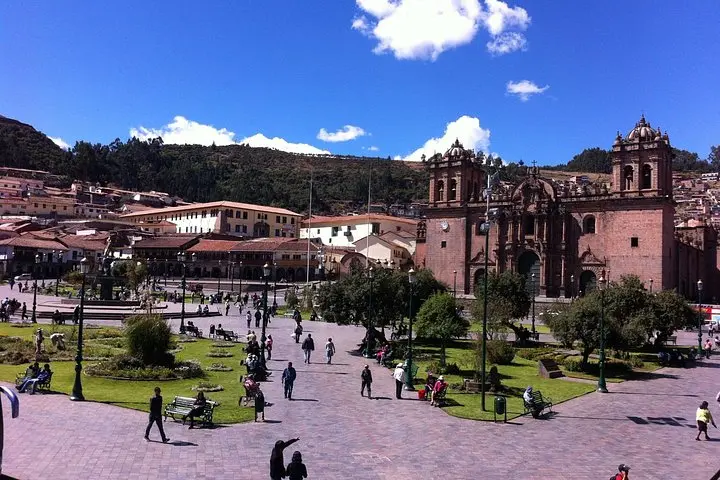
You step out into thin, cool air on Cusco’s Plaza de Armas — bell towers calling across a city that still breathes Inca stone beneath colonial facades. Over four days this express circuit moves from the high, cobbled streets of Cusco (≈3,400 m) down into the green bowl of the Sacred Valley and finally along the Urubamba River’s quicksilver ribbon to Aguas Calientes and Machu Picchu (≈2,430 m).
Verified experiences and guided adventures in the surrounding area.
Operated by Tangol · Cusco, Cusco Region
You step out into thin, cool air on Cusco’s Plaza de Armas — bell towers calling across a city that still breathes Inca stone beneath colonial facades. Over four days this express circuit moves from the high, cobbled streets of Cusco (≈3,400 m) down into the green bowl of the Sacred Valley and finally along the Urubamba River’s quicksilver ribbon to Aguas Calientes and Machu Picchu (≈2,430 m).
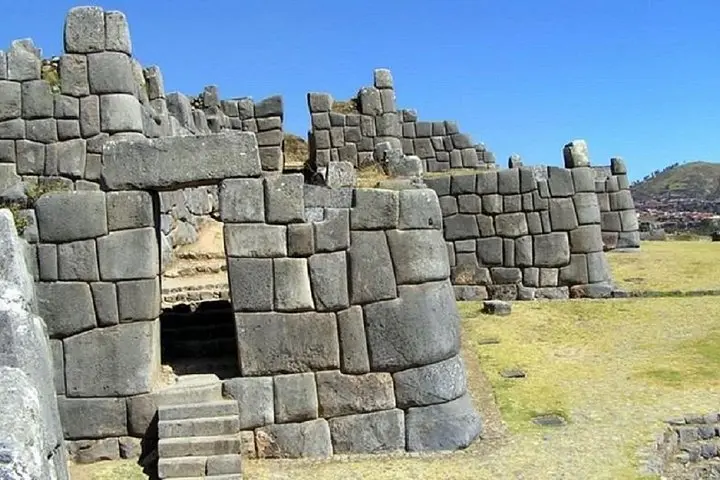
The route threads living history: Koricancha’s sun-worship foundations, the perfectly hewn walls of Sacsayhuamán, and the stepped platforms of Ollantaytambo that once organized food and soldiers. Geology here is dramatic — folded Andean strata and river-cut valleys that forced the Incas into vertical agriculture and precise stonework. Local culture remains vivid in Pisac markets, textile looms, and small highland churches that record the Spanish encounter.
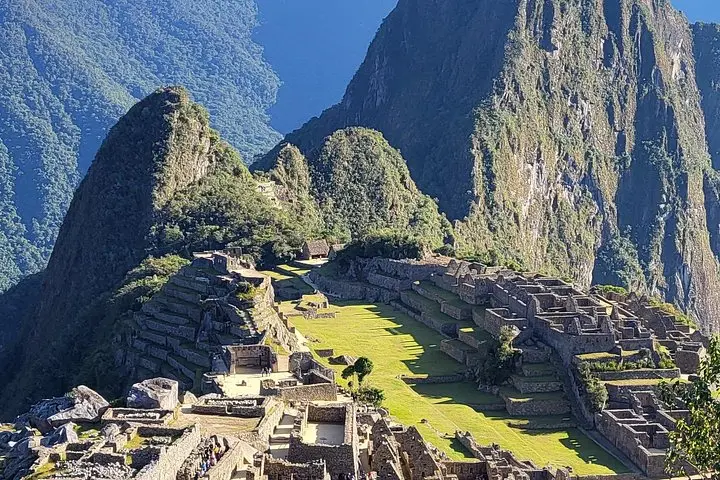
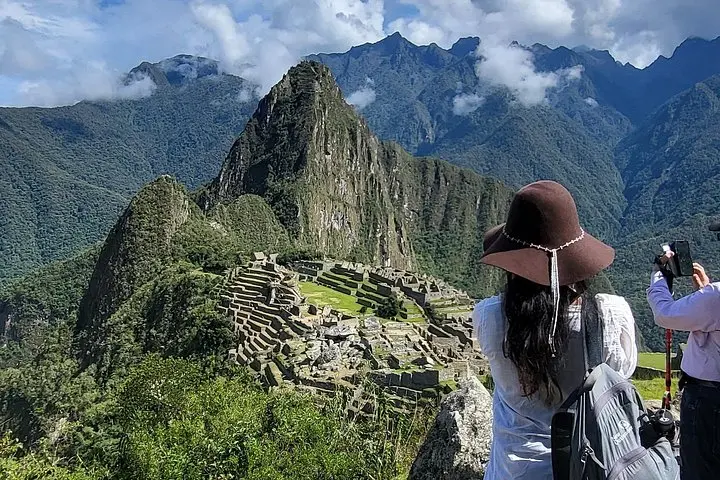
Practically, expect guided visits of 1–3 hours at major sites, a 1.5–2 hour Expedition train between Ollantaytambo and Aguas Calientes, and a roughly two-hour guided circuit at Machu Picchu followed by free exploration. Elevation swings mean acclimatize in Cusco before strenuous activity, drink plenty of water, and move at a steady pace to avoid altitude strain. Trails and site paths are uneven stone and packed earth; sturdy footwear and layered clothing are essential. Arrive early at Machu Picchu for softer light and thinner crowds, and carry small cash for markets and tips.
This is an efficient introduction to Peru’s highlands: immersive, compact, and built around movement through landscapes that still insist you slow down and look closely.
Yes. Spend at least 24 hours in Cusco to adjust to 3,400 m; take it easy, hydrate, and consult a doctor if you have respiratory or heart conditions.
Yes, the itinerary includes the Expedition train between Ollantaytambo and Aguas Calientes; the trip takes about 1.5–2 hours depending on schedule.
The tour includes guided entry to Machu Picchu as described; verify your selected time slot at booking and bring ID needed for entry.
Climbs require separate permits with limited daily quotas and are not included by default—book well in advance if you want to add them.
Tangol operates guided outdoor trips and adventures with an emphasis on safety, stewardship, and memorable experiences.
You step out into thin, cool air on Cusco’s Plaza de Armas — bell towers calling across a city that still breathes Inca stone beneath colonial facades. Over four days this express circuit moves from the high, cobbled streets of Cusco (≈3,400 m) down into the green bowl of the Sacred Valley and finally along the Urubamba River’s quicksilver ribbon to Aguas Calientes and Machu Picchu (≈2,430 m).
You step out into thin, cool air on Cusco’s Plaza de Armas — bell towers calling across a city that still breathes Inca stone beneath colonial facades. Over four days this express circuit moves from the high, cobbled streets of Cusco (≈3,400 m) down into the green bowl of the Sacred Valley and finally along the Urubamba River’s quicksilver ribbon to Aguas Calientes and Machu Picchu (≈2,430 m).
The route threads living history: Koricancha’s sun-worship foundations, the perfectly hewn walls of Sacsayhuamán, and the stepped platforms of Ollantaytambo that once organized food and soldiers. Geology here is dramatic — folded Andean strata and river-cut valleys that forced the Incas into vertical agriculture and precise stonework. Local culture remains vivid in Pisac markets, textile looms, and small highland churches that record the Spanish encounter.
Practically, expect guided visits of 1–3 hours at major sites, a 1.5–2 hour Expedition train between Ollantaytambo and Aguas Calientes, and a roughly two-hour guided circuit at Machu Picchu followed by free exploration. Elevation swings mean acclimatize in Cusco before strenuous activity, drink plenty of water, and move at a steady pace to avoid altitude strain. Trails and site paths are uneven stone and packed earth; sturdy footwear and layered clothing are essential. Arrive early at Machu Picchu for softer light and thinner crowds, and carry small cash for markets and tips.
This is an efficient introduction to Peru’s highlands: immersive, compact, and built around movement through landscapes that still insist you slow down and look closely.