THE ADVENTURE COLLECTIVE® · Independent discovery and booking for outdoor travel

A compact four-day itinerary that pairs Cusco’s colonial and Inca sites with the Sacred Valley, a scenic train to Aguas Calientes and a high-altitude Humantay Lake hike. Expect steep stonework, river gorges and bright alpine light—plan for altitude and changing weather.
A compact four-day itinerary that pairs Cusco’s colonial and Inca sites with the Sacred Valley, a scenic train to Aguas Calientes and a high-altitude Humantay Lake hike. Expect steep stonework, river gorges and bright alpine light—plan for altitude and changing weather.
Morning light spills across Cusco’s Plaza de Armas and the city wakes beneath an Andean sky—stone streets, colonial facades, and the distant profile of Sacsayhuamán towering above. Over four days this tour threads urban history with highland geology and ceremonial landscapes: cobbled colonial alleys give way to terraced valleys carved into volcanic slopes, and the Urubamba River dares travelers onward toward Machu Picchu.
Verified experiences and guided adventures in the surrounding area.
Operated by Salas Travel Peru · Cusco, Cusco Region
Morning light spills across Cusco’s Plaza de Armas and the city wakes beneath an Andean sky—stone streets, colonial facades, and the distant profile of Sacsayhuamán towering above. Over four days this tour threads urban history with highland geology and ceremonial landscapes: cobbled colonial alleys give way to terraced valleys carved into volcanic slopes, and the Urubamba River dares travelers onward toward Machu Picchu.
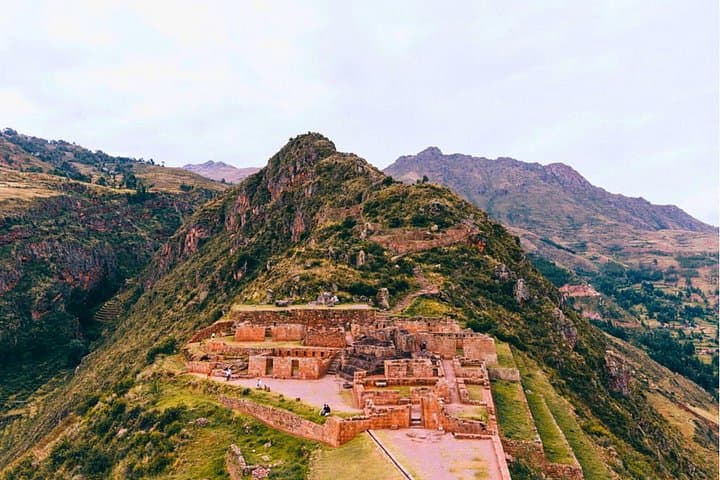
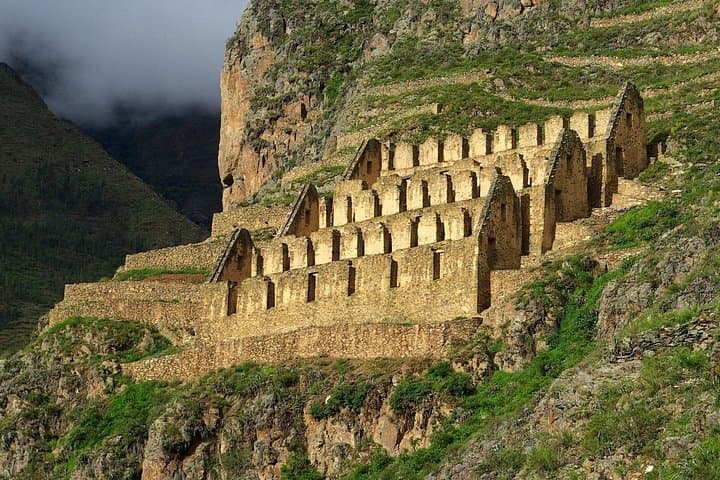
Cusco, once the Inca capital at roughly 3,400 m, is the natural launch point for the Sacred Valley—Pisac’s market and terraces, Ollantaytambo’s living Inca town—and the train ride that follows the Urubamba through narrow gorges to Aguas Calientes. Machu Picchu (≈2,430 m) reveals its stone temples, the Intihuatana sundial and the Sun Gate at first light, exposing Inca masonry and landscape planning that leverage steep geology. The itinerary concludes with the Humantay Lake hike, reaching alpine turquoise at about 4,200 m and offering a compact, high-altitude trek through moraine and puna grass.
Practical guidance: allow 24–48 hours in Cusco to acclimatize, carry layered clothing for temperature swings, and use sun and hydration strategies above 2,500 m. Expect uneven stone paths, stairs and short high-altitude hikes rather than technical climbing. Book Machu Picchu entry and train seats in advance and budget time for market browsing, local lunches and brief rests between sites.
This package balances culture, railway scenery and manageable high-altitude hiking—ideal for travelers with moderate fitness who want a concentrated window into the Andes’ history and landscape.
The itinerary description does not explicitly list Machu Picchu tickets; confirm with the operator and, if not included, purchase timed-entry tickets prior to travel.
It’s a steep, high‑altitude trek of a few kilometers with significant elevation gain to about 4,200 m—short but strenuous; moderate fitness and acclimatization are required.
Yes—symptoms can occur above 2,500 m; hydrate, rest, avoid alcohol on arrival, and consider gradual activity; carry ibuprofen and seek help for severe symptoms.
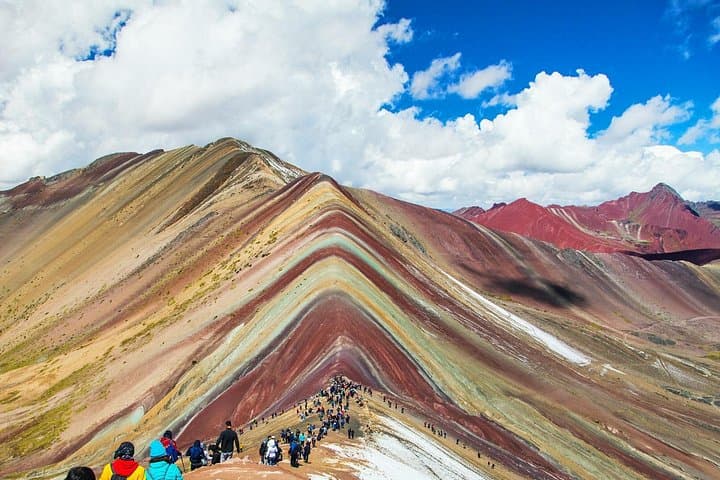
Some operators include Rainbow Mountain transport; this itinerary mentions transportation to Rainbow Mountain in inclusions—verify scheduling and additional permits with the provider.
Salas Travel Peru operates guided outdoor trips and adventures with an emphasis on safety, stewardship, and memorable experiences.
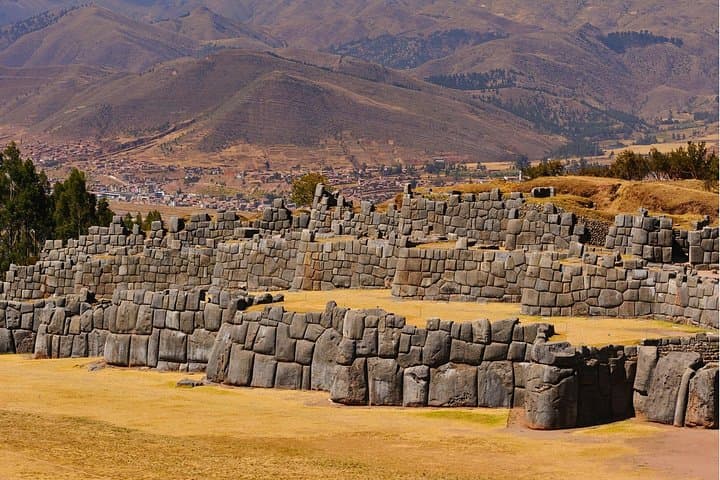
Morning light spills across Cusco’s Plaza de Armas and the city wakes beneath an Andean sky—stone streets, colonial facades, and the distant profile of Sacsayhuamán towering above. Over four days this tour threads urban history with highland geology and ceremonial landscapes: cobbled colonial alleys give way to terraced valleys carved into volcanic slopes, and the Urubamba River dares travelers onward toward Machu Picchu.
Morning light spills across Cusco’s Plaza de Armas and the city wakes beneath an Andean sky—stone streets, colonial facades, and the distant profile of Sacsayhuamán towering above. Over four days this tour threads urban history with highland geology and ceremonial landscapes: cobbled colonial alleys give way to terraced valleys carved into volcanic slopes, and the Urubamba River dares travelers onward toward Machu Picchu.
Cusco, once the Inca capital at roughly 3,400 m, is the natural launch point for the Sacred Valley—Pisac’s market and terraces, Ollantaytambo’s living Inca town—and the train ride that follows the Urubamba through narrow gorges to Aguas Calientes. Machu Picchu (≈2,430 m) reveals its stone temples, the Intihuatana sundial and the Sun Gate at first light, exposing Inca masonry and landscape planning that leverage steep geology. The itinerary concludes with the Humantay Lake hike, reaching alpine turquoise at about 4,200 m and offering a compact, high-altitude trek through moraine and puna grass.
Practical guidance: allow 24–48 hours in Cusco to acclimatize, carry layered clothing for temperature swings, and use sun and hydration strategies above 2,500 m. Expect uneven stone paths, stairs and short high-altitude hikes rather than technical climbing. Book Machu Picchu entry and train seats in advance and budget time for market browsing, local lunches and brief rests between sites.
This package balances culture, railway scenery and manageable high-altitude hiking—ideal for travelers with moderate fitness who want a concentrated window into the Andes’ history and landscape.