THE ADVENTURE COLLECTIVE® · Independent discovery and booking for outdoor travel

Move from colonial Cusco through the Sacred Valley to Machu Picchu in four days, combining guided city archaeology with a dawn visit to the citadel. This compact route handles transport, a night in Aguas Calientes, and expert local interpretation—ideal for travelers short on time.
Move from colonial Cusco through the Sacred Valley to Machu Picchu in four days, combining guided city archaeology with a dawn visit to the citadel. This compact route handles transport, a night in Aguas Calientes, and expert local interpretation—ideal for travelers short on time.
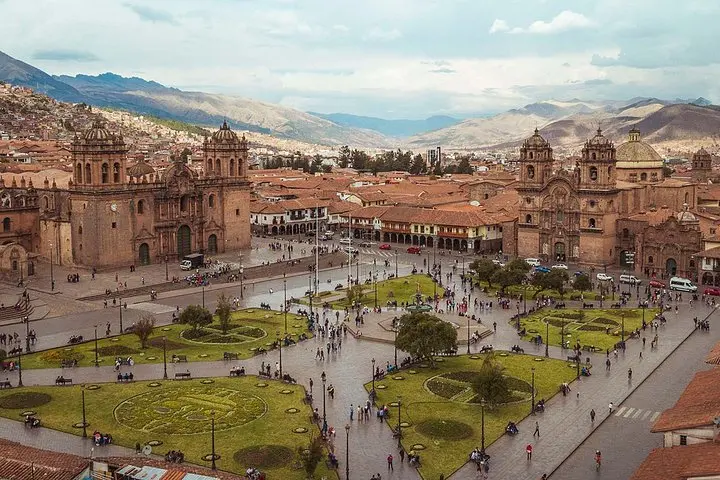
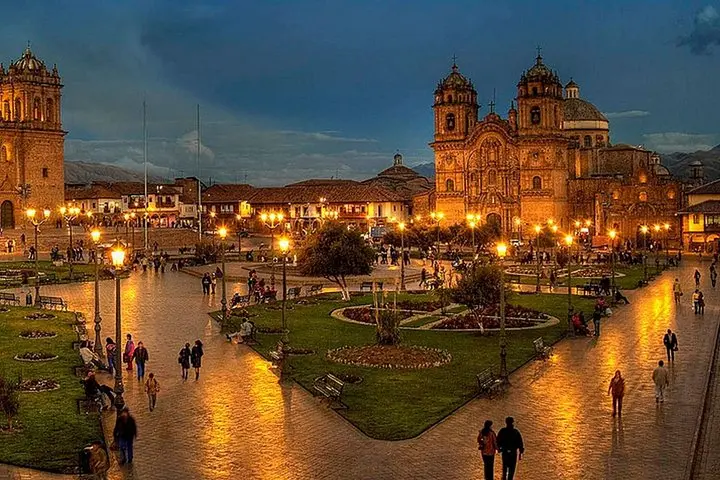
Dawn breaks over Cusco and the air tastes of toasted corn and coca tea. The city’s stone streets slope toward the Plaza de Armas, where Spanish colonial facades rub shoulders with Inca masonry; from there the route slips into the green ribs of the Sacred Valley and the railway that climbs toward Aguas Calientes and Machu Picchu. Travelers arrive on foot, van, and train—moving from high-altitude plazas to cloud-wrapped ridgelines in four purposeful days.
Verified experiences and guided adventures in the surrounding area.
Operated by PERU TRAVEL COMPANY · Cusco, Cusco
Dawn breaks over Cusco and the air tastes of toasted corn and coca tea. The city’s stone streets slope toward the Plaza de Armas, where Spanish colonial facades rub shoulders with Inca masonry; from there the route slips into the green ribs of the Sacred Valley and the railway that climbs toward Aguas Calientes and Machu Picchu. Travelers arrive on foot, van, and train—moving from high-altitude plazas to cloud-wrapped ridgelines in four purposeful days.
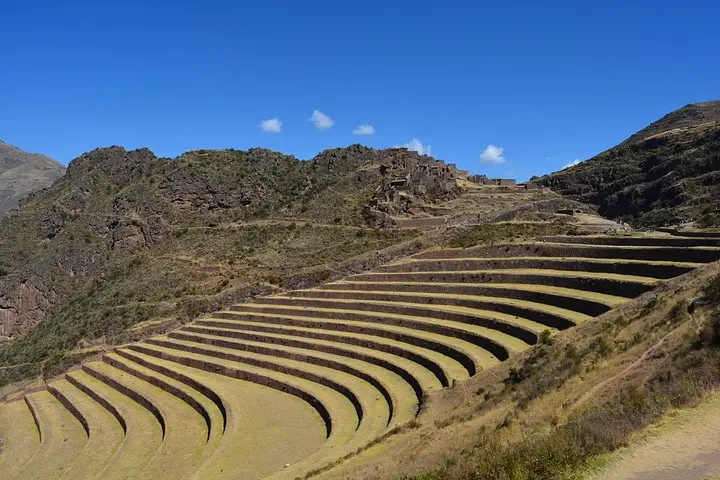
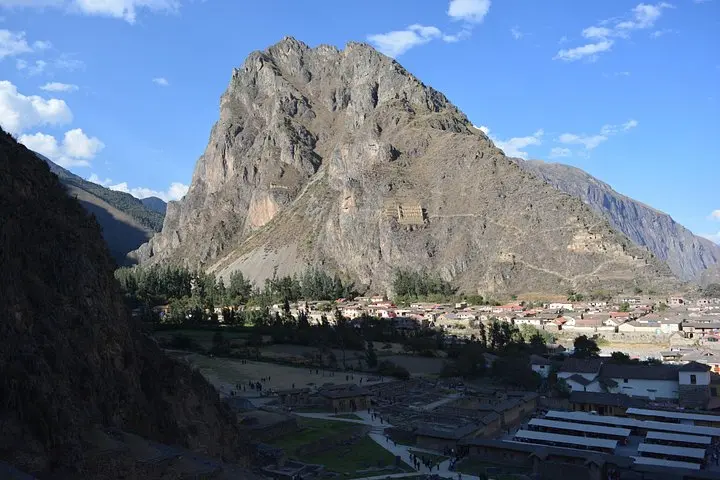
This itinerary threads together Cusco’s main archaeological sites (Koricancha, Sacsayhuamán, Q’enqo), the traditional markets at Pisac, and the fortress town of Ollantaytambo before the train delivers you to the base of the Inca citadel. Geologically the region sits on uplifted Andean strata and river-cut valleys; terraces and stonework reveal how the Incas engineered slopes for farming and defense. Local culture remains vivid: markets hum with Quechua voices, and llamas browse the ruins while guides explain Inca calendars and construction methods.
Practically: plan for altitude adjustment on day one, carry layered clothing for chilly mornings and tropical afternoons, and expect early starts to catch Machu Picchu at its quietest. The guided visit runs about two hours with optional extra time for hikes to Machu Picchu Mountain or Huayna Picchu (book these in advance). Trains and accommodations in Aguas Calientes are included; bring sturdy footwear for uneven stone, water, sunscreen, and a small daypack. This tour is a compact, accessible way to see the emblematic highlights of Cusco and the sacred citadel with local guidance and practical logistics handled.
Yes—permits and timed entries for Huayna Picchu and Machu Picchu Mountain are limited and must be reserved before the trip; tell the operator in advance if you want these hikes.
Cusco sits above 3,300 m. Mild altitude symptoms are common; rest on arrival, hydrate, avoid heavy meals and consider coca tea or speaking with a physician about medication if you have concerns.
This tour includes transfers, the train to Aguas Calientes, bus transfers to Machu Picchu, and one night in a hostel in Aguas Calientes; details are confirmed at booking.
Guided city and archaeological site walks include cobbled streets and stone steps; the Machu Picchu visit typically involves 2 hours of walking with optional longer hikes to surrounding peaks.
PERU TRAVEL COMPANY operates guided outdoor trips and adventures with an emphasis on safety, stewardship, and memorable experiences.
Dawn breaks over Cusco and the air tastes of toasted corn and coca tea. The city’s stone streets slope toward the Plaza de Armas, where Spanish colonial facades rub shoulders with Inca masonry; from there the route slips into the green ribs of the Sacred Valley and the railway that climbs toward Aguas Calientes and Machu Picchu. Travelers arrive on foot, van, and train—moving from high-altitude plazas to cloud-wrapped ridgelines in four purposeful days.
Dawn breaks over Cusco and the air tastes of toasted corn and coca tea. The city’s stone streets slope toward the Plaza de Armas, where Spanish colonial facades rub shoulders with Inca masonry; from there the route slips into the green ribs of the Sacred Valley and the railway that climbs toward Aguas Calientes and Machu Picchu. Travelers arrive on foot, van, and train—moving from high-altitude plazas to cloud-wrapped ridgelines in four purposeful days.
This itinerary threads together Cusco’s main archaeological sites (Koricancha, Sacsayhuamán, Q’enqo), the traditional markets at Pisac, and the fortress town of Ollantaytambo before the train delivers you to the base of the Inca citadel. Geologically the region sits on uplifted Andean strata and river-cut valleys; terraces and stonework reveal how the Incas engineered slopes for farming and defense. Local culture remains vivid: markets hum with Quechua voices, and llamas browse the ruins while guides explain Inca calendars and construction methods.
Practically: plan for altitude adjustment on day one, carry layered clothing for chilly mornings and tropical afternoons, and expect early starts to catch Machu Picchu at its quietest. The guided visit runs about two hours with optional extra time for hikes to Machu Picchu Mountain or Huayna Picchu (book these in advance). Trains and accommodations in Aguas Calientes are included; bring sturdy footwear for uneven stone, water, sunscreen, and a small daypack. This tour is a compact, accessible way to see the emblematic highlights of Cusco and the sacred citadel with local guidance and practical logistics handled.