THE ADVENTURE COLLECTIVE® · Independent discovery and booking for outdoor travel

Four days of highland archaeology and living Andean culture: explore Cusco’s colonial and Inca sites, the Sacred Valley’s terraces and markets, then cross by train to Machu Picchu. Practical logistics, altitude tips and what to expect on each day.
Four days of highland archaeology and living Andean culture: explore Cusco’s colonial and Inca sites, the Sacred Valley’s terraces and markets, then cross by train to Machu Picchu. Practical logistics, altitude tips and what to expect on each day.
Dawn in Cusco arrives thin and bright, the high valley air nudging you awake as the city’s stone streets unfurl toward the Andes. On this four-day loop you move from colonial plazas to highland terraces, the Urubamba River daring you to follow its ribbon down the Sacred Valley and into the cloud-wrapped approach to Machu Picchu.
Verified experiences and guided adventures in the surrounding area.
Operated by Chullos Travel Peru · Cusco, Cusco Region
Dawn in Cusco arrives thin and bright, the high valley air nudging you awake as the city’s stone streets unfurl toward the Andes. On this four-day loop you move from colonial plazas to highland terraces, the Urubamba River daring you to follow its ribbon down the Sacred Valley and into the cloud-wrapped approach to Machu Picchu.
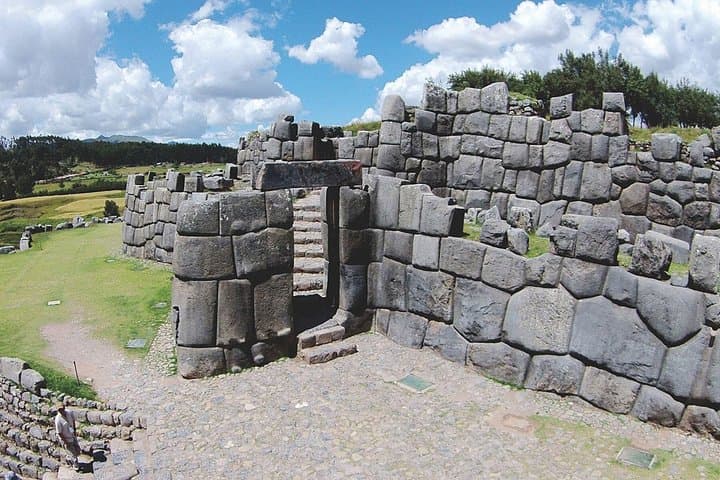
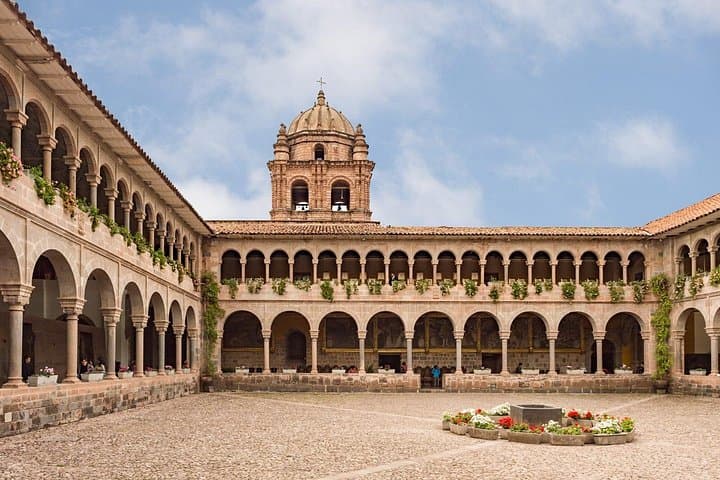
The route threads history and geology: Inca stonework clings to steep terraces carved from glacial-era slopes, while Qorikancha and Sacsayhuamán show the precision that anchored Inca cosmology. Pisac’s ruins and market reveal living Quechua traditions — textiles, chicha and local agriculture — and Ollantaytambo stands as both a fortress and a functioning village on volcanic bedrock. The final day brings Machu Picchu, the citadel perched on a granite spur where morning mist moves like a slow tide.
Practically, expect early departures, a train leg from Ollantaytambo to Aguas Calientes, and controlled-entry tickets for Machu Picchu (purchased per Ministry of Culture windows). Altitude shapes the experience: pace your walking, hydrate, and plan buffer time for acclimatization in Cusco.
Bring layered clothing for sharp temperature swings, sturdy footwear for uneven terraces and cobblestones, and a compact daypack for water and snacks. Guides handle logistics — transfers, site access and transport — but independent stamina and respect for fragile archaeological sites make this trip smoother. In short: cultural immersion, a sequence of highland landscapes, and one of the world’s most compelling archaeological finales, tempered by altitude and ticket windows.
Yes—entry tickets are controlled by Peru’s Ministry of Culture and sold by circuit (commonly circuits 1 or 2); availability varies so tickets are purchased according to current openings.
The tour includes uneven paths and manystone steps; while some sites can be viewed with limited walking, full participation requires moderate mobility.
Acclimatize in Cusco, hydrate, eat lightly, avoid alcohol on arrival and consider acetazolamide after consulting a physician; descend if symptoms worsen.
Guides typically speak Spanish and English; confirm language needs at booking for other languages.
Chullos Travel Peru operates guided outdoor trips and adventures with an emphasis on safety, stewardship, and memorable experiences.

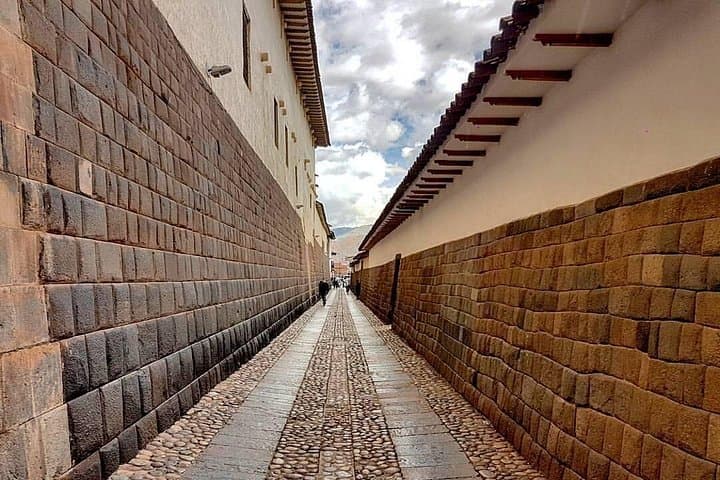
Dawn in Cusco arrives thin and bright, the high valley air nudging you awake as the city’s stone streets unfurl toward the Andes. On this four-day loop you move from colonial plazas to highland terraces, the Urubamba River daring you to follow its ribbon down the Sacred Valley and into the cloud-wrapped approach to Machu Picchu.
Dawn in Cusco arrives thin and bright, the high valley air nudging you awake as the city’s stone streets unfurl toward the Andes. On this four-day loop you move from colonial plazas to highland terraces, the Urubamba River daring you to follow its ribbon down the Sacred Valley and into the cloud-wrapped approach to Machu Picchu.
The route threads history and geology: Inca stonework clings to steep terraces carved from glacial-era slopes, while Qorikancha and Sacsayhuamán show the precision that anchored Inca cosmology. Pisac’s ruins and market reveal living Quechua traditions — textiles, chicha and local agriculture — and Ollantaytambo stands as both a fortress and a functioning village on volcanic bedrock. The final day brings Machu Picchu, the citadel perched on a granite spur where morning mist moves like a slow tide.
Practically, expect early departures, a train leg from Ollantaytambo to Aguas Calientes, and controlled-entry tickets for Machu Picchu (purchased per Ministry of Culture windows). Altitude shapes the experience: pace your walking, hydrate, and plan buffer time for acclimatization in Cusco.
Bring layered clothing for sharp temperature swings, sturdy footwear for uneven terraces and cobblestones, and a compact daypack for water and snacks. Guides handle logistics — transfers, site access and transport — but independent stamina and respect for fragile archaeological sites make this trip smoother. In short: cultural immersion, a sequence of highland landscapes, and one of the world’s most compelling archaeological finales, tempered by altitude and ticket windows.