THE ADVENTURE COLLECTIVE® · Independent discovery and booking for outdoor travel

A compact, four-day itinerary that moves from Cusco through the Sacred Valley to Machu Picchu with transport, most entrances and a guide included. Ideal for travelers who want a structured, high-altitude introduction to Inca sites.
A compact, four-day itinerary that moves from Cusco through the Sacred Valley to Machu Picchu with transport, most entrances and a guide included. Ideal for travelers who want a structured, high-altitude introduction to Inca sites.
Morning light cuts across Cusco’s red-tiled roofs as a guide meets the group and the city—at nearly 11,000 feet—breathes into the day. The first afternoon wanders stone plazas and the Temple of the Sun, then the tour slips into the high valleys where terraced fields stack like green steps into the Andes.
Verified experiences and guided adventures in the surrounding area.
Operated by MachuPicchu Journey · Cusco, Cusco Region
Morning light cuts across Cusco’s red-tiled roofs as a guide meets the group and the city—at nearly 11,000 feet—breathes into the day. The first afternoon wanders stone plazas and the Temple of the Sun, then the tour slips into the high valleys where terraced fields stack like green steps into the Andes.
Over four days travelers move from colonial Cusco through the Sacred Valley’s archaeological sites—Pisaq’s cliffside terraces, the living fortress of Ollantaytambo—and on to Aguas Calientes before the slow reveal of Machu Picchu at sunrise. The geology shifts from volcanic-formed Andean highlands into cloud-forested canyon carved by the Urubamba River; terraces and finely cut stone walls speak to Inca engineering and agricultural practice.
Local culture is present in markets, traditional Andean foods, and Quechua place names; guides translate stories about Intihuatana stones and water-cult sites. Practicalities matter: altitude is constant company, trains and buses structure the days, and entry windows at Machu Picchu control flow to protect the site.
Expect moderate walking on uneven stone surfaces, short guided hikes inside the citadel, and two lunches provided. Pack layers for cool mornings and humid afternoons, hydrate to manage altitude, and keep time for the quiet views when the tour pauses—those moments reveal why the Incas chose these ridgelines.
This itinerary suits travelers who want a curated, accessible encounter with Peru’s most iconic ruins without route-finding—bring sensible footwear and a patient curiosity.
Yes—Cusco and the Sacred Valley sit high (Cusco ~3,400 m). Take it easy on arrival, hydrate, avoid heavy meals/alcohol, and inform your guide of any symptoms.
This tour includes train tickets to Aguas Calientes and entrance tickets for listed days, though Machu Picchu entry is subject to availability and time slots.
Expect 2–3 hours of guided walking on uneven stone surfaces, plus additional free time to explore; stairs and steep sections are present.
Guides commonly speak Spanish and English; check with the operator if you require another language or private guiding options.
MachuPicchu Journey operates guided outdoor trips and adventures with an emphasis on safety, stewardship, and memorable experiences.


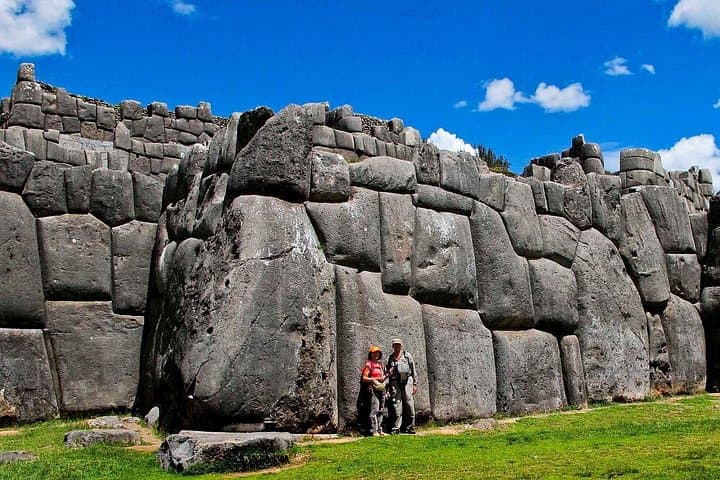
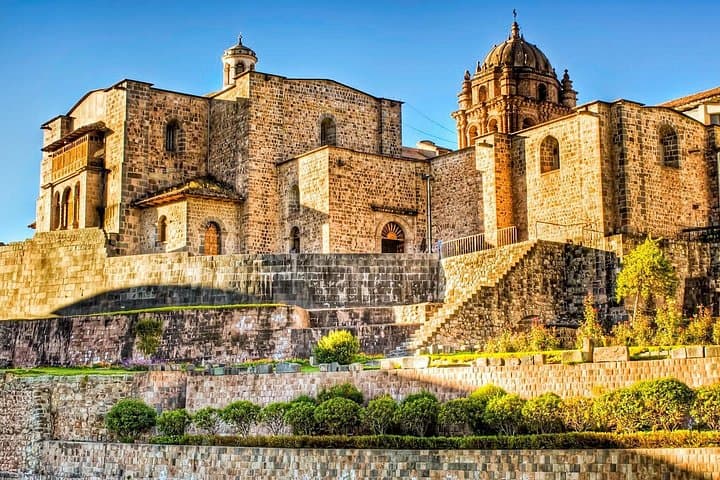
Morning light cuts across Cusco’s red-tiled roofs as a guide meets the group and the city—at nearly 11,000 feet—breathes into the day. The first afternoon wanders stone plazas and the Temple of the Sun, then the tour slips into the high valleys where terraced fields stack like green steps into the Andes.
Morning light cuts across Cusco’s red-tiled roofs as a guide meets the group and the city—at nearly 11,000 feet—breathes into the day. The first afternoon wanders stone plazas and the Temple of the Sun, then the tour slips into the high valleys where terraced fields stack like green steps into the Andes.
Over four days travelers move from colonial Cusco through the Sacred Valley’s archaeological sites—Pisaq’s cliffside terraces, the living fortress of Ollantaytambo—and on to Aguas Calientes before the slow reveal of Machu Picchu at sunrise. The geology shifts from volcanic-formed Andean highlands into cloud-forested canyon carved by the Urubamba River; terraces and finely cut stone walls speak to Inca engineering and agricultural practice.
Local culture is present in markets, traditional Andean foods, and Quechua place names; guides translate stories about Intihuatana stones and water-cult sites. Practicalities matter: altitude is constant company, trains and buses structure the days, and entry windows at Machu Picchu control flow to protect the site.
Expect moderate walking on uneven stone surfaces, short guided hikes inside the citadel, and two lunches provided. Pack layers for cool mornings and humid afternoons, hydrate to manage altitude, and keep time for the quiet views when the tour pauses—those moments reveal why the Incas chose these ridgelines.
This itinerary suits travelers who want a curated, accessible encounter with Peru’s most iconic ruins without route-finding—bring sensible footwear and a patient curiosity.