THE ADVENTURE COLLECTIVE® · Independent discovery and booking for outdoor travel

Move from Cusco’s Inca stones to Machu Picchu’s cloud-wreathed citadel and the mineral bands of Rainbow Mountain in four organized days. Expect early starts, high elevations, and comprehensive transfers and guides.
Move from Cusco’s Inca stones to Machu Picchu’s cloud-wreathed citadel and the mineral bands of Rainbow Mountain in four organized days. Expect early starts, high elevations, and comprehensive transfers and guides.
Dawn arrives thin and bright over Cusco as your transfer threads through narrow colonial streets toward the highlands. The city exhales history: stone walls of Koricancha catch the first light, and Sacsayhuamán towers like a carved memory above the plaza. Over four days you move from urban Inca architecture to the cloud-wrapped terraces of Machu Picchu and the chromatic ridgeline of Vinicunca (Rainbow Mountain).
Verified experiences and guided adventures in the surrounding area.
Operated by MachuPicchu Journey · Cusco, Cusco Region
Dawn arrives thin and bright over Cusco as your transfer threads through narrow colonial streets toward the highlands. The city exhales history: stone walls of Koricancha catch the first light, and Sacsayhuamán towers like a carved memory above the plaza. Over four days you move from urban Inca architecture to the cloud-wrapped terraces of Machu Picchu and the chromatic ridgeline of Vinicunca (Rainbow Mountain).
Cusco sits at 3,400 m and was the administrative heart of the Inca empire; its masonry and ceremonial sites hint at the labor and cosmology that shaped the Andes. Machu Picchu, built in the 15th century on a dramatic ridge above the Urubamba River, showcases precision-cut stonework and steep agricultural terraces. Geologically the region is a mosaic of uplifted volcanic and sedimentary layers — rain and glacial action have carved the deep valleys you travel through. Vinicunca’s stripes are oxidized mineral deposits revealed where wind and erosion stripped the topsoil.
Practical guidance is straightforward: acclimatize in Cusco for at least a day, plan for chilly mornings and strong sun, and expect full days with early departures. The itinerary includes hotel transfers, train tickets from Ollantaytambo to Aguas Calientes, bus access to Machu Picchu, and guided tours. Rainbow Mountain requires a short but steep hike (roughly 4–6 km round trip with 400–600 m gain depending on start point) at high elevation — pace yourself and carry water and layers. Trains and park entrances are time-sensitive; keep documentation handy. With reasonable fitness and altitude awareness, this route delivers landmark archaeology, highland scenery, and intense mountain color in a compact, well-supported package.
Yes — spend at least one full day in Cusco to acclimatize; symptoms of altitude sickness can affect anyone regardless of fitness.
The tour lists entrance and train tickets as included but Machu Picchu slots are capacity-limited; confirm availability at booking and carry your ticket and passport.
Expect a 4–6 km round trip with roughly 400–600 m elevation gain depending on the trailhead; short, steep climbs at >5,000 m require steady pacing and frequent rests.
Trains allow moderate-sized luggage; larger bags may need to be checked—pack an overnight or daypack with essentials for Machu Picchu day visits.
MachuPicchu Journey operates guided outdoor trips and adventures with an emphasis on safety, stewardship, and memorable experiences.
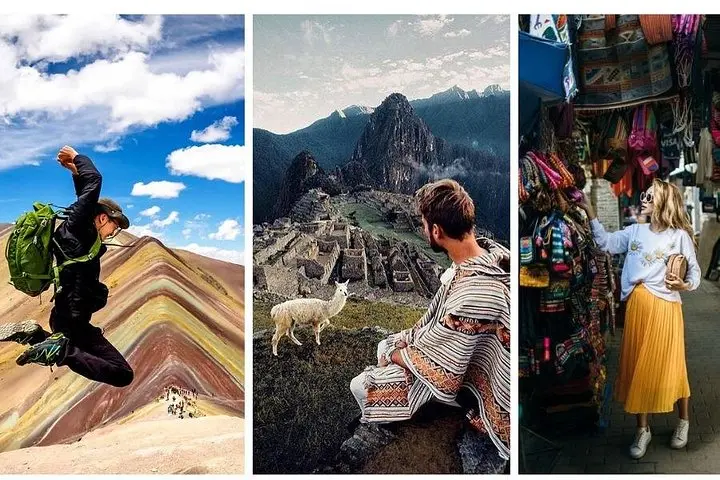
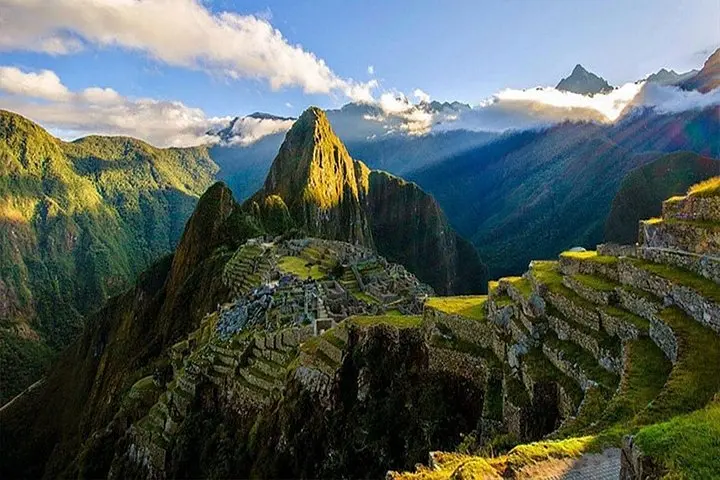
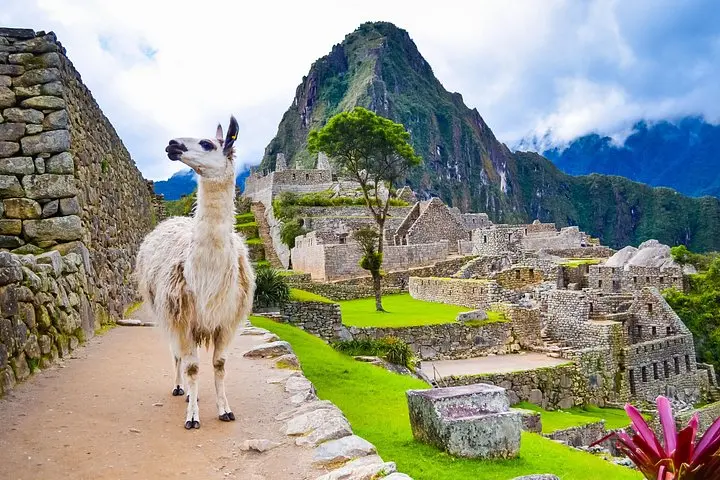
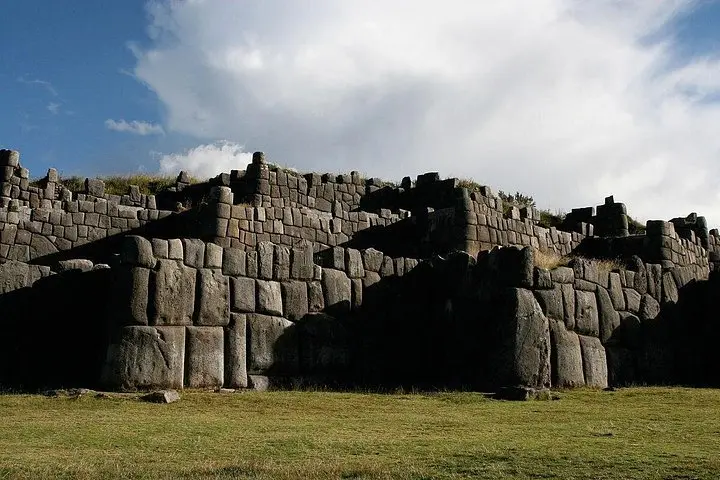
Dawn arrives thin and bright over Cusco as your transfer threads through narrow colonial streets toward the highlands. The city exhales history: stone walls of Koricancha catch the first light, and Sacsayhuamán towers like a carved memory above the plaza. Over four days you move from urban Inca architecture to the cloud-wrapped terraces of Machu Picchu and the chromatic ridgeline of Vinicunca (Rainbow Mountain).
Dawn arrives thin and bright over Cusco as your transfer threads through narrow colonial streets toward the highlands. The city exhales history: stone walls of Koricancha catch the first light, and Sacsayhuamán towers like a carved memory above the plaza. Over four days you move from urban Inca architecture to the cloud-wrapped terraces of Machu Picchu and the chromatic ridgeline of Vinicunca (Rainbow Mountain).
Cusco sits at 3,400 m and was the administrative heart of the Inca empire; its masonry and ceremonial sites hint at the labor and cosmology that shaped the Andes. Machu Picchu, built in the 15th century on a dramatic ridge above the Urubamba River, showcases precision-cut stonework and steep agricultural terraces. Geologically the region is a mosaic of uplifted volcanic and sedimentary layers — rain and glacial action have carved the deep valleys you travel through. Vinicunca’s stripes are oxidized mineral deposits revealed where wind and erosion stripped the topsoil.
Practical guidance is straightforward: acclimatize in Cusco for at least a day, plan for chilly mornings and strong sun, and expect full days with early departures. The itinerary includes hotel transfers, train tickets from Ollantaytambo to Aguas Calientes, bus access to Machu Picchu, and guided tours. Rainbow Mountain requires a short but steep hike (roughly 4–6 km round trip with 400–600 m gain depending on start point) at high elevation — pace yourself and carry water and layers. Trains and park entrances are time-sensitive; keep documentation handy. With reasonable fitness and altitude awareness, this route delivers landmark archaeology, highland scenery, and intense mountain color in a compact, well-supported package.