THE ADVENTURE COLLECTIVE® · Independent discovery and booking for outdoor travel

Cross the High Atlas and sleep under the stars on this four-day overland route from Fes to Marrakech. Ride camels across Erg Chebbi, explore Todra Gorge, and visit the striking ksar of Ait Ben Haddou.
Cross the High Atlas and sleep under the stars on this four-day overland route from Fes to Marrakech. Ride camels across Erg Chebbi, explore Todra Gorge, and visit the striking ksar of Ait Ben Haddou.
You step out of the air-conditioned van into a corridor of gold: Erg Chebbi’s dunes rise and shift, a living landscape that keeps changing with every gust. Late afternoon light sharpens each crest; camels stand patient like old guides while camp tents wait behind a line of wind-sculpted sand.
Verified experiences and guided adventures in the surrounding area.
Operated by Morocco Customized Tours · Merzouga, Errachidia Province
You step out of the air-conditioned van into a corridor of gold: Erg Chebbi’s dunes rise and shift, a living landscape that keeps changing with every gust. Late afternoon light sharpens each crest; camels stand patient like old guides while camp tents wait behind a line of wind-sculpted sand.
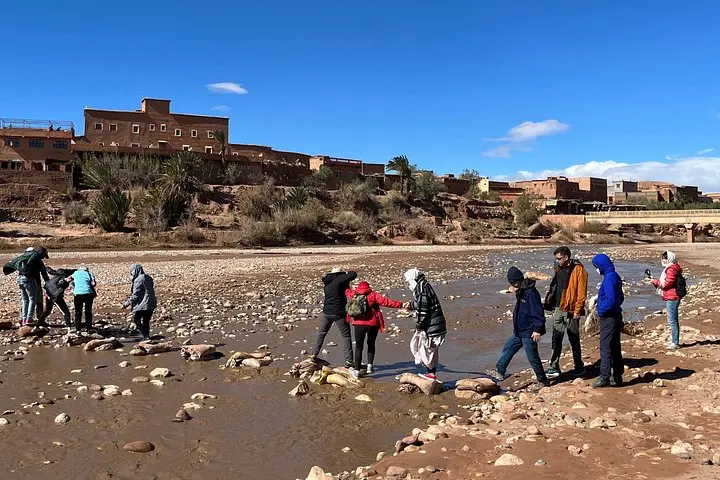
This four-day route threads Morocco’s geological and cultural seams — cedar forests and volcanic ridgelines near Ifrane, the fertile Ziz Valley carved by an ancient river, the orange-hued Todra Gorge cut into limestone, and the earthen, UNESCO-listed ksar of Ait Ben Haddou that still recalls caravan traffic and film crews. The High Atlas pushes south here, folding climate and culture: Berber villages cling to terraces, Bedouin life continues at oasis edges, and Gnawa rhythms carry Mali’s Sahel across dunes.
Expect practical rhythms: long driving stretches broken by short walks, photo stops, and a 40–60 minute camel trek at sunset. Nights alternate between riad comforts and private luxury tents with showers at camp; mornings can be still and cold before the sun wakes the sand.
Plan for shifting temperatures and sand that gets into everything. Hydrate early, wear sturdy shoes for loose sand and canyon floors, and time your Sahara hours for sunrise or sunset when the light and temperature are both kind. Bring cash for small villages, a lightweight layer for desert nights, and patience for the slow, deliberate pace of a journey that is at once scenic and rooted in local life.
Camel rides are short (about 40–60 minutes) and guided; sandboarding is optional and typically brief — neither requires special fitness, just basic mobility.
Yes — this tour uses luxury desert camps with private tents and toilets/showers, plus riads and hotels in towns for added comfort.
Signal is limited around Merzouga and in deep dunes; expect intermittent coverage and plan for offline maps and cash payments.
The tour is family-friendly but involves camel mounting, loose sand and some walking; travelers with severe mobility limitations should discuss needs with the operator before booking.
Morocco Customized Tours operates guided outdoor trips and adventures with an emphasis on safety, stewardship, and memorable experiences.
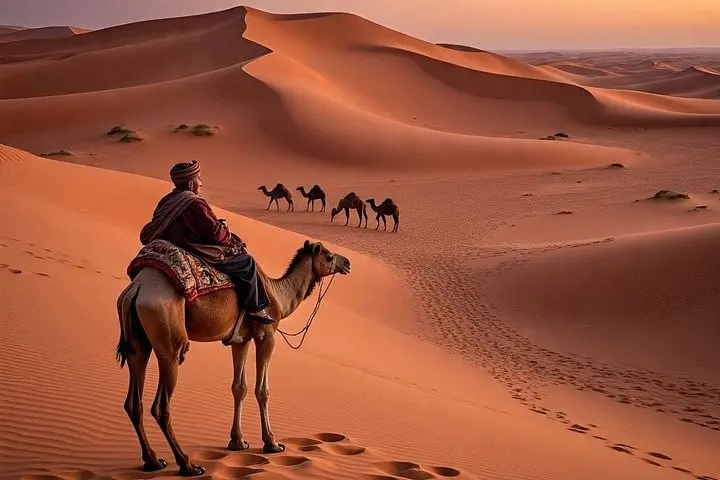
You step out of the air-conditioned van into a corridor of gold: Erg Chebbi’s dunes rise and shift, a living landscape that keeps changing with every gust. Late afternoon light sharpens each crest; camels stand patient like old guides while camp tents wait behind a line of wind-sculpted sand.
You step out of the air-conditioned van into a corridor of gold: Erg Chebbi’s dunes rise and shift, a living landscape that keeps changing with every gust. Late afternoon light sharpens each crest; camels stand patient like old guides while camp tents wait behind a line of wind-sculpted sand.
This four-day route threads Morocco’s geological and cultural seams — cedar forests and volcanic ridgelines near Ifrane, the fertile Ziz Valley carved by an ancient river, the orange-hued Todra Gorge cut into limestone, and the earthen, UNESCO-listed ksar of Ait Ben Haddou that still recalls caravan traffic and film crews. The High Atlas pushes south here, folding climate and culture: Berber villages cling to terraces, Bedouin life continues at oasis edges, and Gnawa rhythms carry Mali’s Sahel across dunes.
Expect practical rhythms: long driving stretches broken by short walks, photo stops, and a 40–60 minute camel trek at sunset. Nights alternate between riad comforts and private luxury tents with showers at camp; mornings can be still and cold before the sun wakes the sand.
Plan for shifting temperatures and sand that gets into everything. Hydrate early, wear sturdy shoes for loose sand and canyon floors, and time your Sahara hours for sunrise or sunset when the light and temperature are both kind. Bring cash for small villages, a lightweight layer for desert nights, and patience for the slow, deliberate pace of a journey that is at once scenic and rooted in local life.