THE ADVENTURE COLLECTIVE® · Independent discovery and booking for outdoor travel

Four days that pair Cairo’s pyramids and the Egyptian Museum with Luxor’s temples and Valley of the Kings. Private transfers, internal flights and an Egyptologist guide let you focus on walking the stones and watching the Nile at dusk.
Four days that pair Cairo’s pyramids and the Egyptian Museum with Luxor’s temples and Valley of the Kings. Private transfers, internal flights and an Egyptologist guide let you focus on walking the stones and watching the Nile at dusk.
You step out of the airport into Cairo’s heat and the city swallows you in a rush of horns, limestone dust and the distant rise of pyramids against the bright sky.
Verified experiences and guided adventures in the surrounding area.
Operated by Bastet Travel · Cairo, Cairo Governorate
You step out of the airport into Cairo’s heat and the city swallows you in a rush of horns, limestone dust and the distant rise of pyramids against the bright sky.
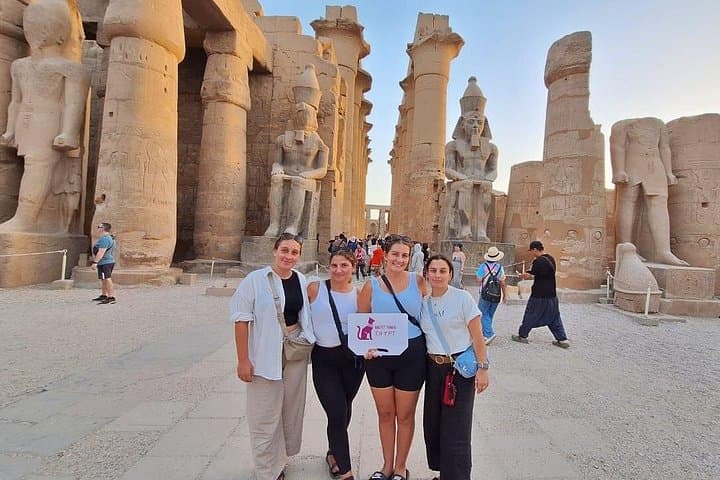
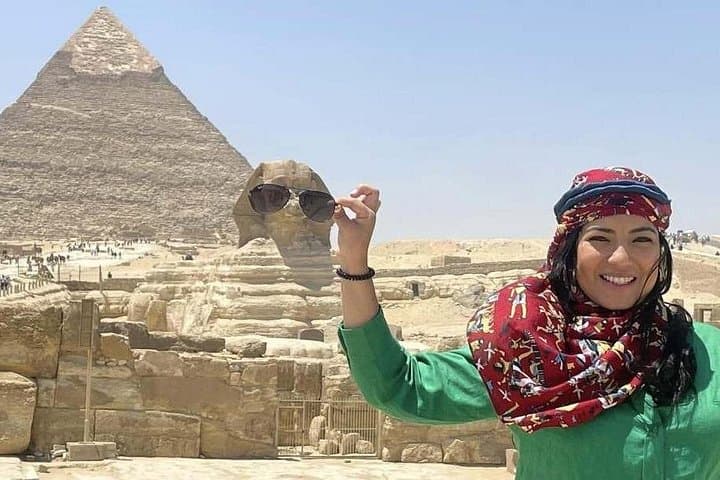
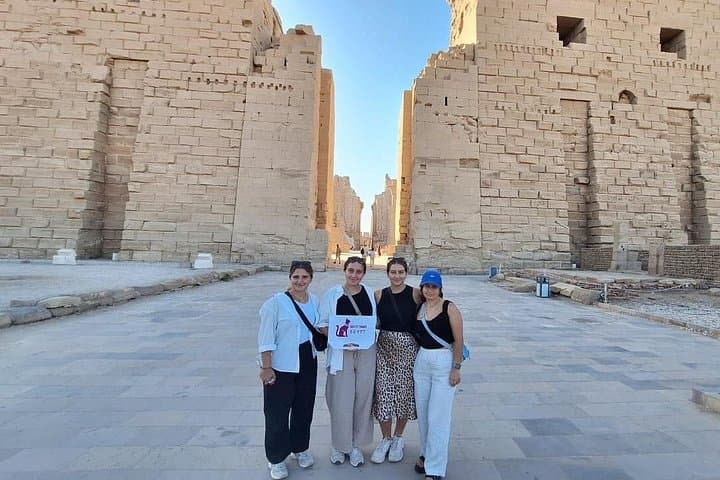
This four-day private itinerary stitches modern Cairo with millennia-old Thebes: the Giza Pyramid Complex and Sphinx on the Nile’s floodplain, the Egyptian Museum’s gilded caches of Tutankhamun, then a short flight to Luxor where the Valley of the Kings and Karnak lay like an open-air record of pharaonic power. Geology here is simple and revealing — the Nile carved a corridor of alluvial soil between desert limestone cliffs, and pharaohs used local sandstone and limestone to raise monuments meant to outlast weather and empire.
Culture is immediate; an Egyptologist guide translates hieroglyphs into stories of gods, kings and daily life, and the Nile itself feels like a living artery daring you to trace the city’s pulse by boat at sunset.
Practical guidance: pack light breathable clothing that covers shoulders and knees for temple respect, and bring a refillable water bottle — potable water is typically provided in hotels but daytime walking can be dehydrating. Expect moderate walking on uneven stone floors and loose sand; good walking shoes and a sun hat make long visits comfortable. Start major sites early to avoid heat and crowds, and leave time to negotiate markets or the quieter corners of Luxor Museum.
The trip balances high-impact sights with managed logistics: internal flights, entrance fees and private transfers are included, so you spend energy on exploration rather than transport planning.
Yes — return flights between Cairo and Luxor are included in the package itinerary.
All listed entrance fees and an Egyptology guide are included as stated in the itinerary.
The operator lists wheelchair-accessible options and transfers, but many archaeological sites have uneven terrain; contact the provider in advance to confirm specific accessibility assistance.
Egyptian pounds are used locally; small US dollars are also accepted in tourist areas. Tipping (baksheesh) is customary — budget modest amounts for guides, drivers and local staff.
Bastet Travel operates guided outdoor trips and adventures with an emphasis on safety, stewardship, and memorable experiences.

You step out of the airport into Cairo’s heat and the city swallows you in a rush of horns, limestone dust and the distant rise of pyramids against the bright sky.
You step out of the airport into Cairo’s heat and the city swallows you in a rush of horns, limestone dust and the distant rise of pyramids against the bright sky.
This four-day private itinerary stitches modern Cairo with millennia-old Thebes: the Giza Pyramid Complex and Sphinx on the Nile’s floodplain, the Egyptian Museum’s gilded caches of Tutankhamun, then a short flight to Luxor where the Valley of the Kings and Karnak lay like an open-air record of pharaonic power. Geology here is simple and revealing — the Nile carved a corridor of alluvial soil between desert limestone cliffs, and pharaohs used local sandstone and limestone to raise monuments meant to outlast weather and empire.
Culture is immediate; an Egyptologist guide translates hieroglyphs into stories of gods, kings and daily life, and the Nile itself feels like a living artery daring you to trace the city’s pulse by boat at sunset.
Practical guidance: pack light breathable clothing that covers shoulders and knees for temple respect, and bring a refillable water bottle — potable water is typically provided in hotels but daytime walking can be dehydrating. Expect moderate walking on uneven stone floors and loose sand; good walking shoes and a sun hat make long visits comfortable. Start major sites early to avoid heat and crowds, and leave time to negotiate markets or the quieter corners of Luxor Museum.
The trip balances high-impact sights with managed logistics: internal flights, entrance fees and private transfers are included, so you spend energy on exploration rather than transport planning.