THE ADVENTURE COLLECTIVE® · Independent discovery and booking for outdoor travel

A compact 4-day loop between Santa Cruz and Isabela that pairs snorkeling around Tintoreras with land visits to the Charles Darwin Research Station and highland tortoise habitats. Expect short hikes, boat transfers and frequent wildlife sightings.
A compact 4-day loop between Santa Cruz and Isabela that pairs snorkeling around Tintoreras with land visits to the Charles Darwin Research Station and highland tortoise habitats. Expect short hikes, boat transfers and frequent wildlife sightings.
Morning light breaks over Puerto Ayora and the harbor hums with outboard motors and the low calls of sea lions. On this compact four-day circuit, travelers move between two of the archipelago’s most active islands—Santa Cruz and Isabela—tracing lava-rock shorelines, short walking trails and shallow reefs where curious wildlife meets the human visitor.
Verified experiences and guided adventures in the surrounding area.
Operated by Perfect Destiny · Puerto Ayora, Galápagos
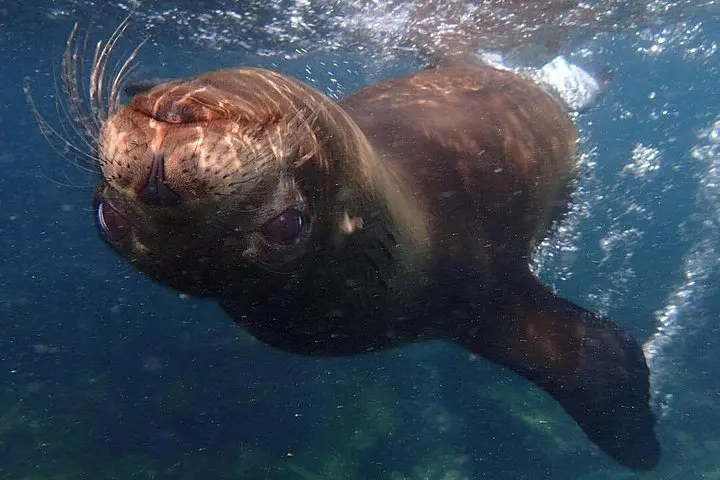
Morning light breaks over Puerto Ayora and the harbor hums with outboard motors and the low calls of sea lions. On this compact four-day circuit, travelers move between two of the archipelago’s most active islands—Santa Cruz and Isabela—tracing lava-rock shorelines, short walking trails and shallow reefs where curious wildlife meets the human visitor.
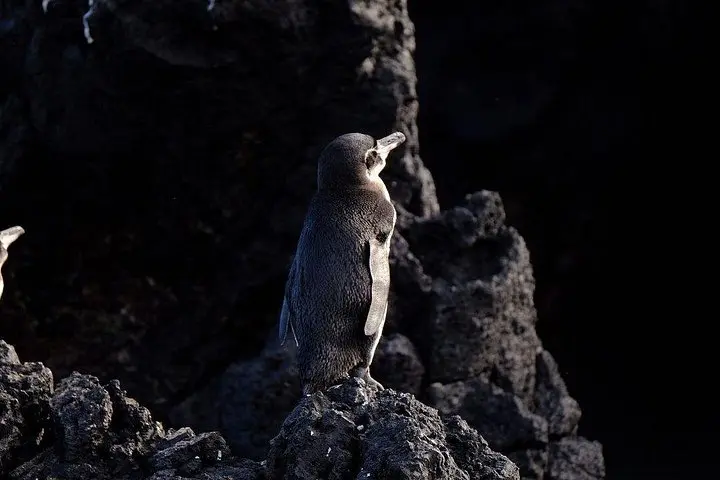
The itinerary balances natural history and geology: Santa Cruz’s highlands hold volcanic soils, freshwater seeps and the Charles Darwin Research Station’s tortoise breeding programs, while Isabela’s young, basaltic landscape and the Tintoreras islets showcase lava flows, marine channels and colonies of penguins and reef sharks. The islands’ human history is sparse but colorful—whalers, settlers and scientific expeditions have left small ports and interpretive sites around the bays.
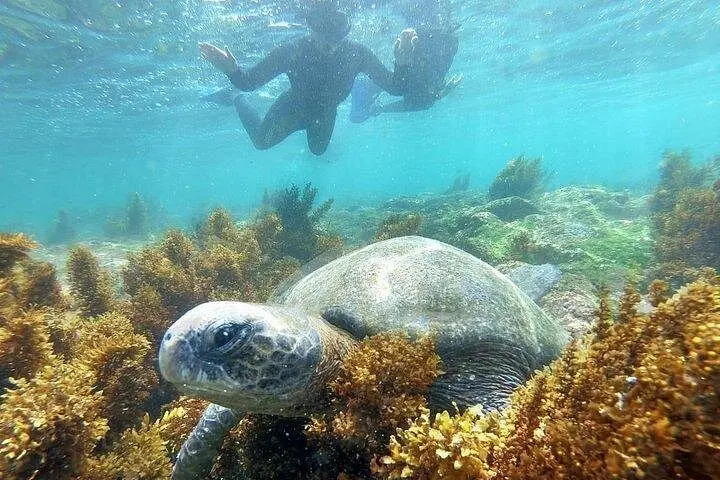
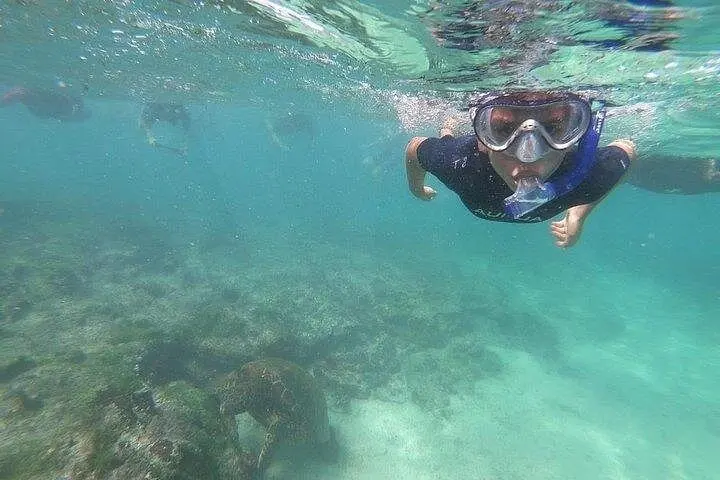
Expect guided short hikes, panga rides, two snorkeling sessions on select days and boat transfers (2-hour ferry crossings between islands). Wildlife encounters are frequent—marine iguanas, giant tortoises, sea turtles, blue-footed boobies and Galapagos penguins—but always regulated by park rules.
Practically: bring reef-safe sunscreen, a light waterproof layer for early-morning crossings, and footwear that doubles as snorkeling shoes. Mask and fins are noted in the program, but wetsuits are not provided (rent locally if you’re cold-sensitive). Park entrance fees, transit by ferry and any park or sea taxi taxes are paid separately.
With short activity windows and bilingual guides, this loop is ideal for travelers wanting concentrated wildlife viewing and snorkeling without committing to a live-aboard—efficient, landscape-rich and rooted in practical on-the-ground logistics.
Wetsuits are not included in the program; water temps vary—rent a suit locally if you feel cold or if traveling June–November when the water is cooler.
Park entrance fees and any local transit taxes are paid by travelers in person and are not included in the tour price.
Walking is short to moderate: interpretive trails and short hikes (30–90 minutes) on uneven volcanic terrain; good mobility and steady footing are sufficient.
Children can join with adult supervision; non-swimmers can still enjoy land components and wildlife viewing from boats but should avoid snorkeling without flotation or guided options.
Perfect Destiny operates guided outdoor trips and adventures with an emphasis on safety, stewardship, and memorable experiences.
Morning light breaks over Puerto Ayora and the harbor hums with outboard motors and the low calls of sea lions. On this compact four-day circuit, travelers move between two of the archipelago’s most active islands—Santa Cruz and Isabela—tracing lava-rock shorelines, short walking trails and shallow reefs where curious wildlife meets the human visitor.
Morning light breaks over Puerto Ayora and the harbor hums with outboard motors and the low calls of sea lions. On this compact four-day circuit, travelers move between two of the archipelago’s most active islands—Santa Cruz and Isabela—tracing lava-rock shorelines, short walking trails and shallow reefs where curious wildlife meets the human visitor.
The itinerary balances natural history and geology: Santa Cruz’s highlands hold volcanic soils, freshwater seeps and the Charles Darwin Research Station’s tortoise breeding programs, while Isabela’s young, basaltic landscape and the Tintoreras islets showcase lava flows, marine channels and colonies of penguins and reef sharks. The islands’ human history is sparse but colorful—whalers, settlers and scientific expeditions have left small ports and interpretive sites around the bays.
Expect guided short hikes, panga rides, two snorkeling sessions on select days and boat transfers (2-hour ferry crossings between islands). Wildlife encounters are frequent—marine iguanas, giant tortoises, sea turtles, blue-footed boobies and Galapagos penguins—but always regulated by park rules.
Practically: bring reef-safe sunscreen, a light waterproof layer for early-morning crossings, and footwear that doubles as snorkeling shoes. Mask and fins are noted in the program, but wetsuits are not provided (rent locally if you’re cold-sensitive). Park entrance fees, transit by ferry and any park or sea taxi taxes are paid separately.
With short activity windows and bilingual guides, this loop is ideal for travelers wanting concentrated wildlife viewing and snorkeling without committing to a live-aboard—efficient, landscape-rich and rooted in practical on-the-ground logistics.