THE ADVENTURE COLLECTIVE® · Independent discovery and booking for outdoor travel

A brisk, culture-rich four-day loop through Bhutan’s western valleys—Thimphu’s dzongs and markets, Paro’s painted temples, and the cliffside pilgrimage to Taktsang (Tiger’s Nest). Ideal for travelers with limited time who still want a meaningful Himalayan experience.
A brisk, culture-rich four-day loop through Bhutan’s western valleys—Thimphu’s dzongs and markets, Paro’s painted temples, and the cliffside pilgrimage to Taktsang (Tiger’s Nest). Ideal for travelers with limited time who still want a meaningful Himalayan experience.
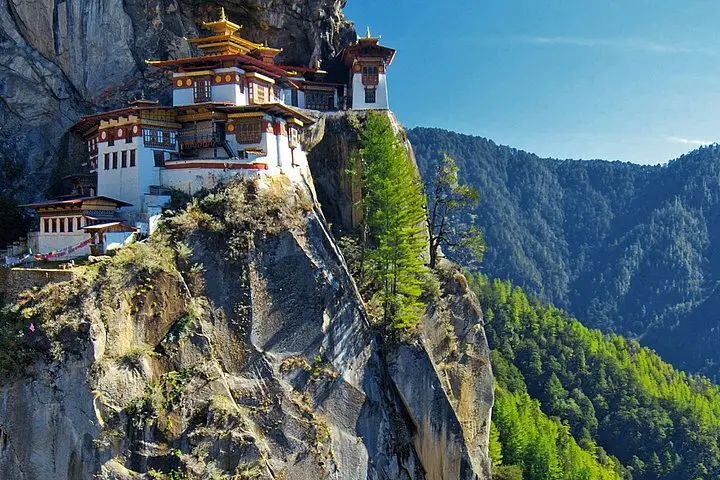
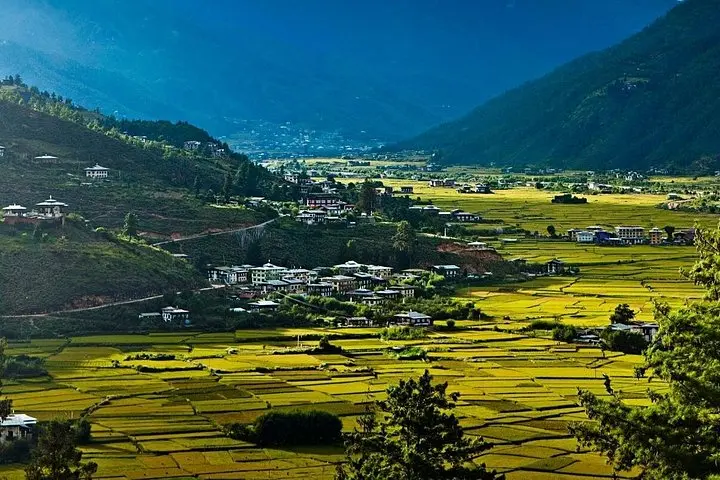
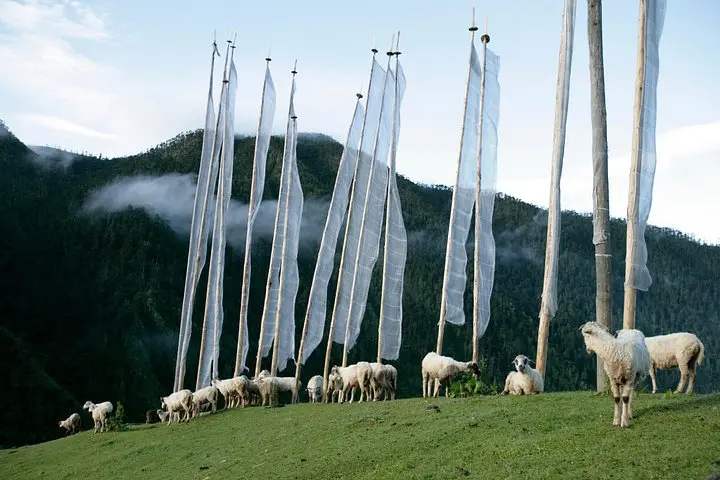
A thin mist lifts off the Paro valley as the minibus threads mountain roads—prayer flags flicking like small flags of encouragement. On day one the capital opens up in terraces, whitewashed chortens and the large seated Buddha above Thimphu; by day three the trail narrows and the cliff face that holds Taktsang Monastery appears, improbably clinging to rock 900 m above the valley.
Verified experiences and guided adventures in the surrounding area.
Operated by WORLD TOUR PLAN · Paro, Paro District
A thin mist lifts off the Paro valley as the minibus threads mountain roads—prayer flags flicking like small flags of encouragement. On day one the capital opens up in terraces, whitewashed chortens and the large seated Buddha above Thimphu; by day three the trail narrows and the cliff face that holds Taktsang Monastery appears, improbably clinging to rock 900 m above the valley.
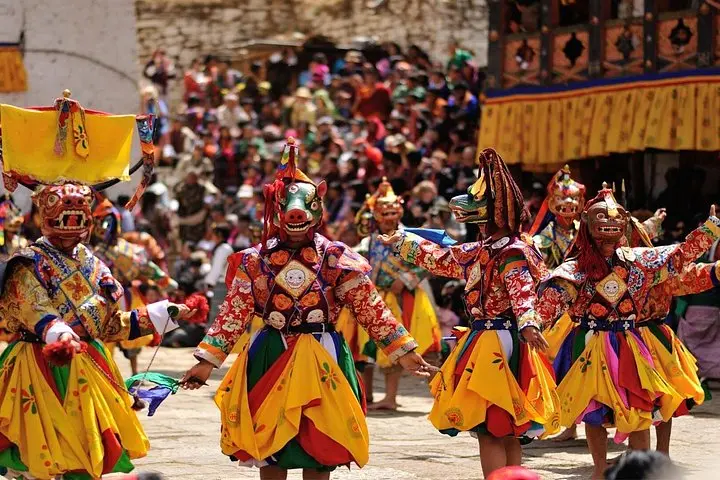
This compact itinerary stitches together Bhutan’s living history: medieval dzongs (fortress-monasteries) that double as administrative centers, 17th-century murals, and temples founded during the spread of Vajrayana Buddhism. Geologically the western valleys are carved by glacial and river erosion, giving steep flanks, mixed conifer forests and fertile river terraces that sustain farming communities. Culturally the country’s modern identity grew around the Wangchuck monarchy and the preservation of religious practice; visitors should expect respectful restraint—long sleeves, covered legs, and quiet reverence inside temples.
Practically, the highlight is the Taktsang hike. Expect a steep, well-trod path to a viewpoint (about 1.5 hours) and another hour if you press on to the monastery area—round-trip effort roughly 4–5 km on uneven stone and dirt with several stair sections. Altitude varies between Thimphu (~2,300 m) and Paro (~2,200 m), and the monastery overlooks a significant drop. Stay hydrated, pace the climb, and wear ankle-supporting footwear; photography is restricted inside shrines and modest dress is required. Logistics: Bhutan requires pre-arranged visas and the Sustainable Development Fee is included in most packaged visits. For a four-day window this tour balances cultural immersion with manageable hiking—ideal for travelers who want an intense introduction to Bhutan’s sacred western valleys.
Yes — visas are arranged before arrival through your tour operator and the Sustainable Development Fee (SDF) is normally included in packaged tours.
The trail is steep with stone steps and uneven sections; the viewpoint is roughly 1.5 hours up for a fit walker, with another hour to reach the monastery area if you continue.
This private multi-day tour includes a local guide, ground transport between sites, and hotel pick-up/drop-off as described in the itinerary.
Dress modestly: long sleeves and long pants or skirts are expected; remove hats inside sacred spaces and ask before photographing interiors.
WORLD TOUR PLAN operates guided outdoor trips and adventures with an emphasis on safety, stewardship, and memorable experiences.
A thin mist lifts off the Paro valley as the minibus threads mountain roads—prayer flags flicking like small flags of encouragement. On day one the capital opens up in terraces, whitewashed chortens and the large seated Buddha above Thimphu; by day three the trail narrows and the cliff face that holds Taktsang Monastery appears, improbably clinging to rock 900 m above the valley.
A thin mist lifts off the Paro valley as the minibus threads mountain roads—prayer flags flicking like small flags of encouragement. On day one the capital opens up in terraces, whitewashed chortens and the large seated Buddha above Thimphu; by day three the trail narrows and the cliff face that holds Taktsang Monastery appears, improbably clinging to rock 900 m above the valley.
This compact itinerary stitches together Bhutan’s living history: medieval dzongs (fortress-monasteries) that double as administrative centers, 17th-century murals, and temples founded during the spread of Vajrayana Buddhism. Geologically the western valleys are carved by glacial and river erosion, giving steep flanks, mixed conifer forests and fertile river terraces that sustain farming communities. Culturally the country’s modern identity grew around the Wangchuck monarchy and the preservation of religious practice; visitors should expect respectful restraint—long sleeves, covered legs, and quiet reverence inside temples.
Practically, the highlight is the Taktsang hike. Expect a steep, well-trod path to a viewpoint (about 1.5 hours) and another hour if you press on to the monastery area—round-trip effort roughly 4–5 km on uneven stone and dirt with several stair sections. Altitude varies between Thimphu (~2,300 m) and Paro (~2,200 m), and the monastery overlooks a significant drop. Stay hydrated, pace the climb, and wear ankle-supporting footwear; photography is restricted inside shrines and modest dress is required. Logistics: Bhutan requires pre-arranged visas and the Sustainable Development Fee is included in most packaged visits. For a four-day window this tour balances cultural immersion with manageable hiking—ideal for travelers who want an intense introduction to Bhutan’s sacred western valleys.