THE ADVENTURE COLLECTIVE® · Independent discovery and booking for outdoor travel

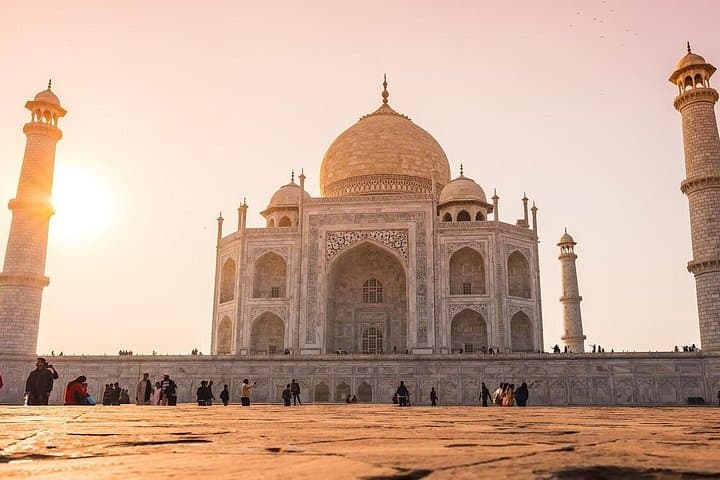
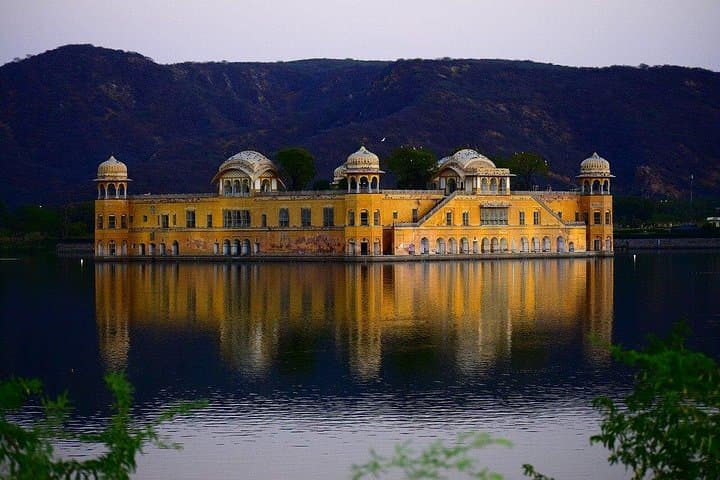
Experience India’s Golden Triangle in four compact days: Jaipur’s forts and observatory, the stepwells and Fatehpur Sikri en route, sunrise at the Taj Mahal, then onward to Delhi. This private tour pairs efficient transfers with guided cultural stops for travelers short on time.
Experience India’s Golden Triangle in four compact days: Jaipur’s forts and observatory, the stepwells and Fatehpur Sikri en route, sunrise at the Taj Mahal, then onward to Delhi. This private tour pairs efficient transfers with guided cultural stops for travelers short on time.
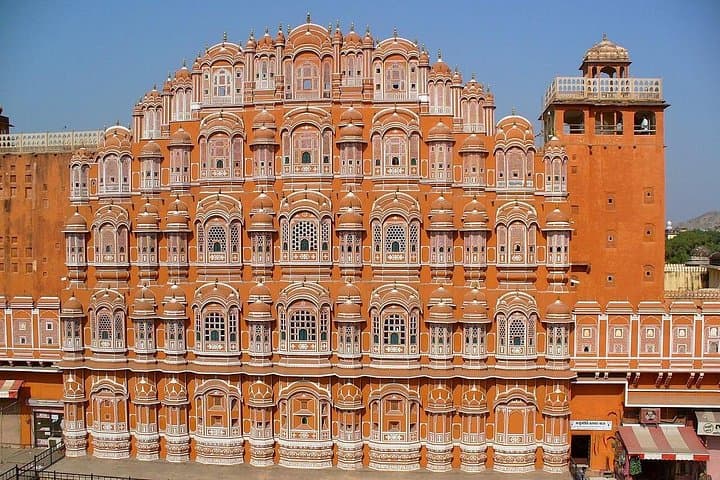
You step out of the car and the Aravalli hills press a warm, dry breeze across the road—Jaipur’s pink sandstone facades glow as the city wakes. Over four days the itinerary moves like a measured tide: ancient observatories in Jaipur, the deserts’ stepwells and courtyards en route, the marble hush of the Taj, then the layered chaos of Delhi’s streets.
Verified experiences and guided adventures in the surrounding area.
Operated by Jaipur Tour Travels · Jaipur, Rajasthan
You step out of the car and the Aravalli hills press a warm, dry breeze across the road—Jaipur’s pink sandstone facades glow as the city wakes. Over four days the itinerary moves like a measured tide: ancient observatories in Jaipur, the deserts’ stepwells and courtyards en route, the marble hush of the Taj, then the layered chaos of Delhi’s streets.
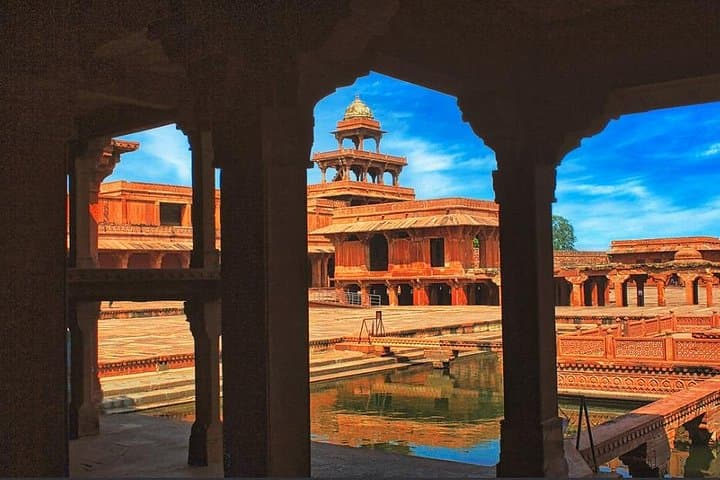
This corridor traces the Mughal and Rajput epochs: Jaipur’s City Palace and Jantar Mantar speak to princely court life and astronomical curiosity; Fatehpur Sikri captures a short-lived imperial ambition; Agra’s Taj Mahal records grief carved in white marble. Geologically the route follows the Aravalli escarpment into the Indo-Gangetic plains—hills giving way to flat riverine alluvium where the Yamuna once tempered the city’s edge.
You’ll feel history in public squares and market lanes: craftsmen in Jaipur still cut glass and inlaid marble workshops near Agra keep centuries-old skills alive. Local rhythms—temple bells, roadside chai, and early-morning mosque calls—shape each day.
Practical guidance: plan early arrivals at major sites (Taj sunrise slots are busiest), wear comfortable, closed shoes for forts and uneven stone steps, and carry a refillable water bottle—temperatures swing widely. Respect dress norms at religious sites: shoulders and knees covered, and leave large bags at hotels where possible.
Logistics are straightforward: private A/C transfers connect the three cities, with short walking tours each day. Expect long but manageable drives (Jaipur–Agra ~4–5 hours). Pack light layers, sun protection, and an appetite for dense historic detail—this is concentrated India, fast and unforgettable.
Expect several hours of driving on transfer days—Jaipur to Agra is about 4–5 hours; most days include shorter drives between sites within each city.
This private itinerary typically includes guide services and transport; check the booking detail for site entry—many operators exclude national monument fees which are paid on arrival.
Yes—operators commonly offer itinerary adjustments, including start point (Delhi) or time spent at each city; request changes when booking.
Carry ID, small camera (tripods usually prohibited), and minimal belongings; large bags may be restricted and scanners are in use at the gate.
Jaipur Tour Travels operates guided outdoor trips and adventures with an emphasis on safety, stewardship, and memorable experiences.
You step out of the car and the Aravalli hills press a warm, dry breeze across the road—Jaipur’s pink sandstone facades glow as the city wakes. Over four days the itinerary moves like a measured tide: ancient observatories in Jaipur, the deserts’ stepwells and courtyards en route, the marble hush of the Taj, then the layered chaos of Delhi’s streets.
You step out of the car and the Aravalli hills press a warm, dry breeze across the road—Jaipur’s pink sandstone facades glow as the city wakes. Over four days the itinerary moves like a measured tide: ancient observatories in Jaipur, the deserts’ stepwells and courtyards en route, the marble hush of the Taj, then the layered chaos of Delhi’s streets.
This corridor traces the Mughal and Rajput epochs: Jaipur’s City Palace and Jantar Mantar speak to princely court life and astronomical curiosity; Fatehpur Sikri captures a short-lived imperial ambition; Agra’s Taj Mahal records grief carved in white marble. Geologically the route follows the Aravalli escarpment into the Indo-Gangetic plains—hills giving way to flat riverine alluvium where the Yamuna once tempered the city’s edge.
You’ll feel history in public squares and market lanes: craftsmen in Jaipur still cut glass and inlaid marble workshops near Agra keep centuries-old skills alive. Local rhythms—temple bells, roadside chai, and early-morning mosque calls—shape each day.
Practical guidance: plan early arrivals at major sites (Taj sunrise slots are busiest), wear comfortable, closed shoes for forts and uneven stone steps, and carry a refillable water bottle—temperatures swing widely. Respect dress norms at religious sites: shoulders and knees covered, and leave large bags at hotels where possible.
Logistics are straightforward: private A/C transfers connect the three cities, with short walking tours each day. Expect long but manageable drives (Jaipur–Agra ~4–5 hours). Pack light layers, sun protection, and an appetite for dense historic detail—this is concentrated India, fast and unforgettable.