THE ADVENTURE COLLECTIVE® · Independent discovery and booking for outdoor travel

Trace India’s imperial past on a focused four-day loop from New Delhi to the Taj Mahal and Jaipur’s palaces. This private tour combines sunrise views, guided monuments, and local transport across manageable drives.
Trace India’s imperial past on a focused four-day loop from New Delhi to the Taj Mahal and Jaipur’s palaces. This private tour combines sunrise views, guided monuments, and local transport across manageable drives.
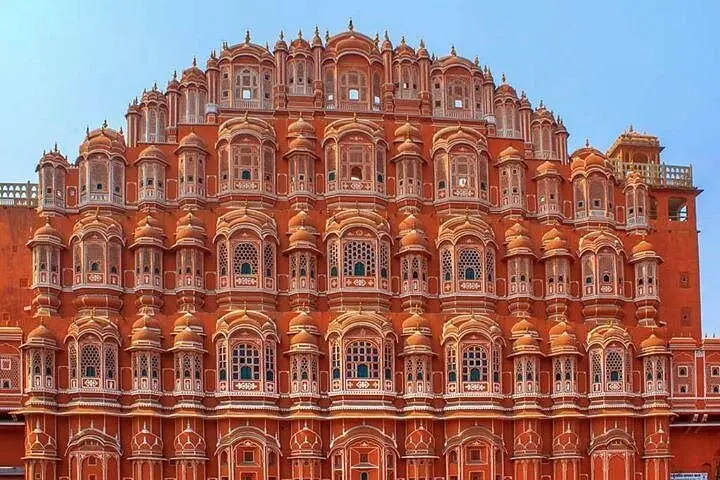
Early morning in Old Delhi feels immediate: bicycle rickshaws thread through alleys still steaming from chai stalls, and the first light picks out the pale domes of Jama Masjid. Over four days travelers move from the chaotic arteries of New Delhi to the marble hush of Agra and the rose-colored walls of Jaipur, sampling a living history of Mughal and Rajput power.
Verified experiences and guided adventures in the surrounding area.
Operated by Vivek Handa, Tour Guide Delhi-Agra-Jaipur · New Delhi, Delhi
Early morning in Old Delhi feels immediate: bicycle rickshaws thread through alleys still steaming from chai stalls, and the first light picks out the pale domes of Jama Masjid. Over four days travelers move from the chaotic arteries of New Delhi to the marble hush of Agra and the rose-colored walls of Jaipur, sampling a living history of Mughal and Rajput power.
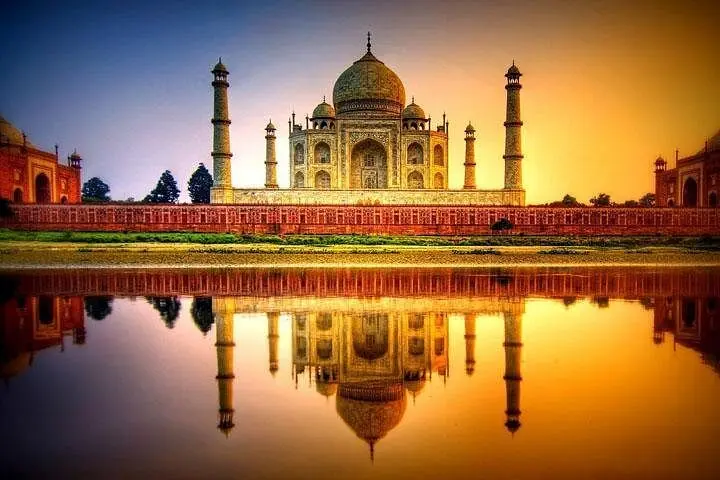
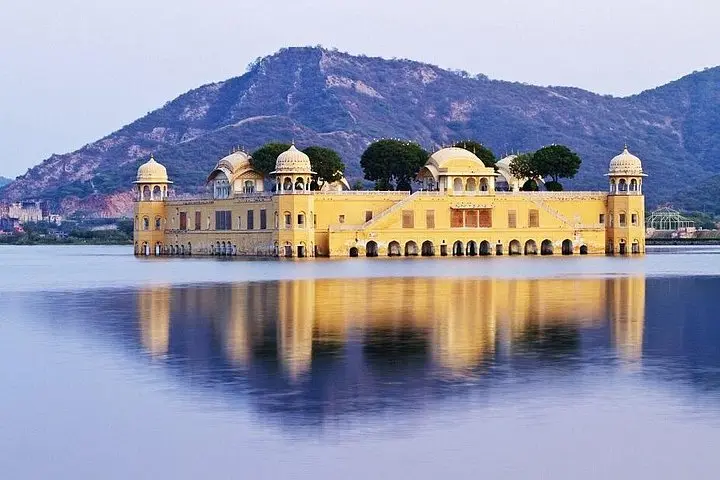
The route follows the flat Indo-Gangetic plain — easy drives of a few hours link monuments that span the 16th–18th centuries: Shah Jahan’s Taj Mahal on the Yamuna, the red sandstone ramparts of Agra Fort, the deserted courtyards of Fatehpur Sikri, and Jaipur’s planned grid and palace complexes built beginning in 1727 by Maharaja Sawai Jai Singh II.
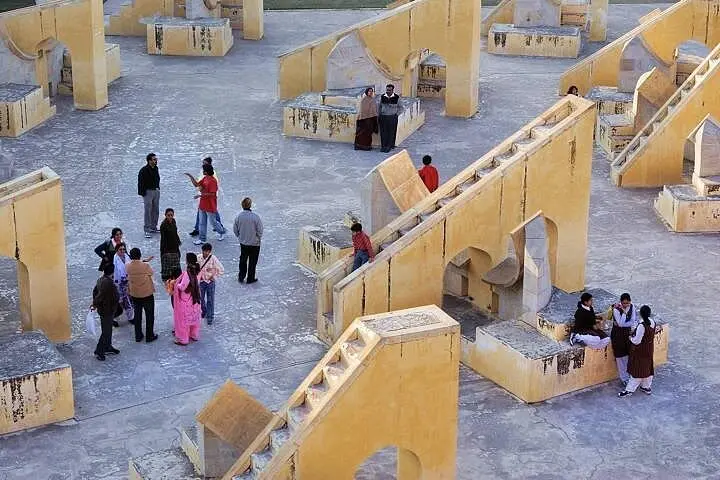
Cultural rhythms matter: sunrise at the Taj, a rickshaw ride through Chandni Chowk, and the measured courtyards of Jantar Mantar. Guides explain carved stone inlay, Mughal funerary piety, and Jaipur’s architectural experiments.
Practical edge: expect multiple short walks on uneven stone, early starts for sunrise viewing, and vehicle transfers of 3–5 hours between cities (New Delhi–Agra ~3–4 hr; Agra–Jaipur ~4–5 hr; Jaipur–Delhi ~5 hr, ~270 km). Carry water, sun protection, and a lightweight daypack; modest dress is required at religious sites.
Timing your visit for cooler months (October–March) improves comfort and visibility. Respect restricted areas, avoid single-use plastic near monuments, and book a government-licensed guide for the richest interpretive experience.
Most foreign nationals need an India visa obtained before travel; check your country’s e-visa eligibility and apply well in advance.
The Taj has set opening hours and is closed on Fridays; sunrise visits are possible but require timed entry tickets—book early.
The tour notes wheelchair-accessible transport, but many historic sites have steps and uneven terrain; accessibility varies by site—confirm specific needs when booking.
Breakfasts are included (three), but lunches and dinners are generally the traveler’s responsibility unless otherwise selected in accommodation options.
Vivek Handa, Tour Guide Delhi-Agra-Jaipur operates guided outdoor trips and adventures with an emphasis on safety, stewardship, and memorable experiences.
Early morning in Old Delhi feels immediate: bicycle rickshaws thread through alleys still steaming from chai stalls, and the first light picks out the pale domes of Jama Masjid. Over four days travelers move from the chaotic arteries of New Delhi to the marble hush of Agra and the rose-colored walls of Jaipur, sampling a living history of Mughal and Rajput power.
Early morning in Old Delhi feels immediate: bicycle rickshaws thread through alleys still steaming from chai stalls, and the first light picks out the pale domes of Jama Masjid. Over four days travelers move from the chaotic arteries of New Delhi to the marble hush of Agra and the rose-colored walls of Jaipur, sampling a living history of Mughal and Rajput power.
The route follows the flat Indo-Gangetic plain — easy drives of a few hours link monuments that span the 16th–18th centuries: Shah Jahan’s Taj Mahal on the Yamuna, the red sandstone ramparts of Agra Fort, the deserted courtyards of Fatehpur Sikri, and Jaipur’s planned grid and palace complexes built beginning in 1727 by Maharaja Sawai Jai Singh II.
Cultural rhythms matter: sunrise at the Taj, a rickshaw ride through Chandni Chowk, and the measured courtyards of Jantar Mantar. Guides explain carved stone inlay, Mughal funerary piety, and Jaipur’s architectural experiments.
Practical edge: expect multiple short walks on uneven stone, early starts for sunrise viewing, and vehicle transfers of 3–5 hours between cities (New Delhi–Agra ~3–4 hr; Agra–Jaipur ~4–5 hr; Jaipur–Delhi ~5 hr, ~270 km). Carry water, sun protection, and a lightweight daypack; modest dress is required at religious sites.
Timing your visit for cooler months (October–March) improves comfort and visibility. Respect restricted areas, avoid single-use plastic near monuments, and book a government-licensed guide for the richest interpretive experience.