THE ADVENTURE COLLECTIVE® · Independent discovery and booking for outdoor travel

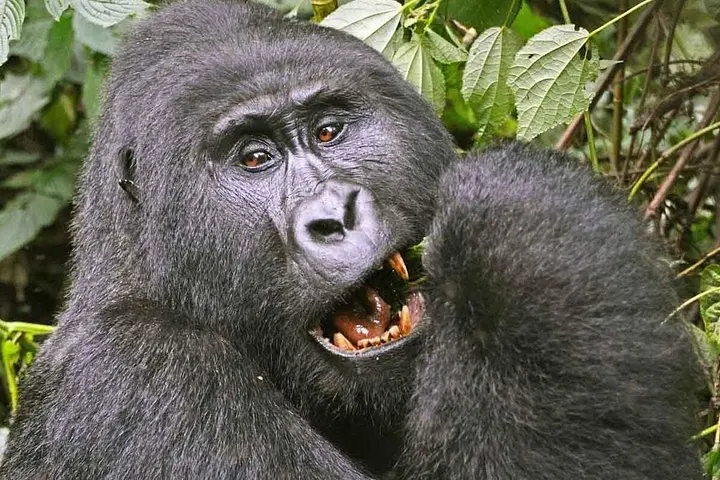
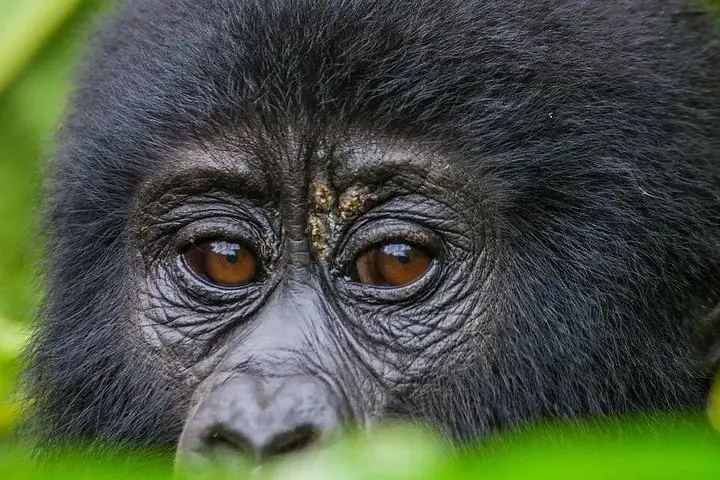
Track endangered mountain gorillas in Bwindi Impenetrable National Park on a four-day safari that combines regional travel from Kampala with an immersive day of trekking. Expect steep, muddy trails, regulated one-hour gorilla encounters, and cultural visits to nearby Batwa communities.
Track endangered mountain gorillas in Bwindi Impenetrable National Park on a four-day safari that combines regional travel from Kampala with an immersive day of trekking. Expect steep, muddy trails, regulated one-hour gorilla encounters, and cultural visits to nearby Batwa communities.
Fog lifts from the rainforest like a slow exhale as the first group gathers at Bwindi headquarters. Damp earth gives under hiking boots and the forest seems to lean in, the vines and strangler figs daring you forward. Guides check permits and staff hand out walking sticks; the day’s rhythm is set by the gorillas’ movements rather than a timetable.
Verified experiences and guided adventures in the surrounding area.
Operated by GoExplore Safaris · Kisoro, Western Region
Fog lifts from the rainforest like a slow exhale as the first group gathers at Bwindi headquarters. Damp earth gives under hiking boots and the forest seems to lean in, the vines and strangler figs daring you forward. Guides check permits and staff hand out walking sticks; the day’s rhythm is set by the gorillas’ movements rather than a timetable.
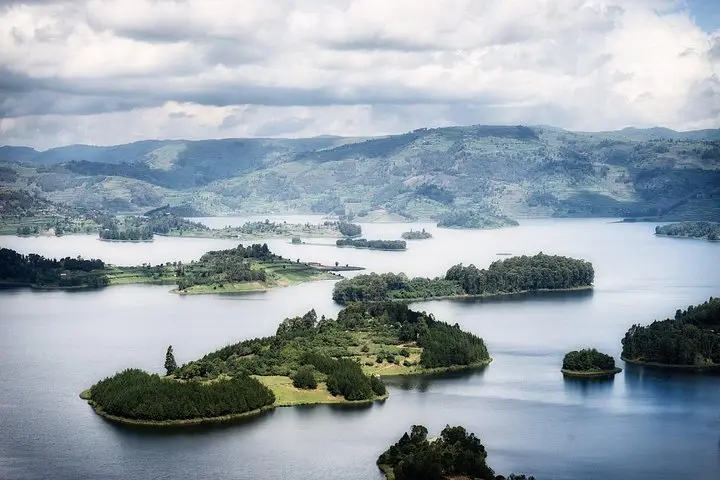
Bwindi Impenetrable National Park is older than the rail lines and roads that bring visitors here — remnants of ancient Albertine Rift forest, sculpted by elevation and persistent rainfall. The park became a UNESCO World Heritage Site for its concentration of endangered mountain gorillas and distinctive highland biodiversity. Local Batwa communities add cultural depth: short guided visits offer perspectives on traditional forest livelihoods alongside stories of recent conservation partnerships.
Expect a full-day of variable hiking: trails can be steep, muddy and braided with tree roots; treks to locating gorilla families commonly take between two and eight hours. When gorillas appear, the encounter is regulated — one hour of close observation while keeping distance and silence so the animals guide the interaction.
Practical notes: travel typically begins in Kampala with a short regional flight to Kisoro or drive through rolling farmland; lodges around Bwindi serve as basecamps. Bring waterproof boots, layered clothing, a sturdy walking stick, and a camera without flash. Hydrate, move deliberately on steep slopes, and follow your guide’s directions — the forest is alive and exacting, and respectful behavior keeps the experience safe and sustainable.
Yes — a park permit is required for gorilla trekking and is typically included in organized safari packages; permits are limited and should be secured in advance.
Once a gorilla group is found, visitors are allowed up to one hour of observation under park regulations while maintaining a safe distance.
Difficulty varies by gorilla family location — treks can be short and gentle or long and steep; expect 2–8 hours of walking on uneven, often muddy terrain.
Dry months (roughly June–August and December–February) offer firmer trails, though gorilla sightings occur year-round; rainier periods mean muddier conditions and more leeches.
GoExplore Safaris operates guided outdoor trips and adventures with an emphasis on safety, stewardship, and memorable experiences.
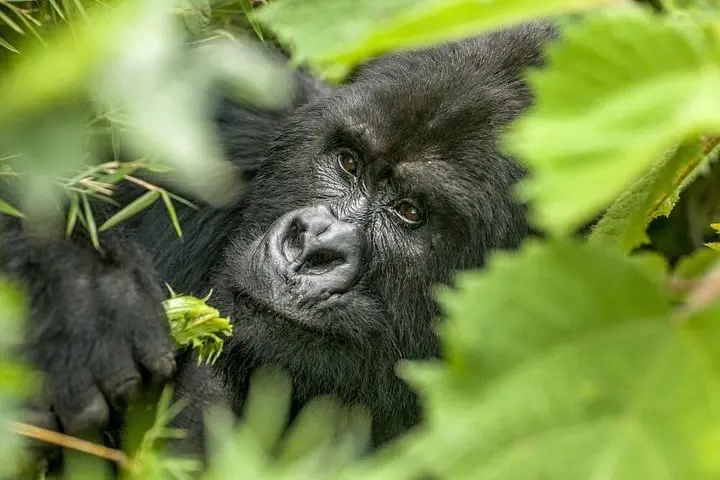
Fog lifts from the rainforest like a slow exhale as the first group gathers at Bwindi headquarters. Damp earth gives under hiking boots and the forest seems to lean in, the vines and strangler figs daring you forward. Guides check permits and staff hand out walking sticks; the day’s rhythm is set by the gorillas’ movements rather than a timetable.
Fog lifts from the rainforest like a slow exhale as the first group gathers at Bwindi headquarters. Damp earth gives under hiking boots and the forest seems to lean in, the vines and strangler figs daring you forward. Guides check permits and staff hand out walking sticks; the day’s rhythm is set by the gorillas’ movements rather than a timetable.
Bwindi Impenetrable National Park is older than the rail lines and roads that bring visitors here — remnants of ancient Albertine Rift forest, sculpted by elevation and persistent rainfall. The park became a UNESCO World Heritage Site for its concentration of endangered mountain gorillas and distinctive highland biodiversity. Local Batwa communities add cultural depth: short guided visits offer perspectives on traditional forest livelihoods alongside stories of recent conservation partnerships.
Expect a full-day of variable hiking: trails can be steep, muddy and braided with tree roots; treks to locating gorilla families commonly take between two and eight hours. When gorillas appear, the encounter is regulated — one hour of close observation while keeping distance and silence so the animals guide the interaction.
Practical notes: travel typically begins in Kampala with a short regional flight to Kisoro or drive through rolling farmland; lodges around Bwindi serve as basecamps. Bring waterproof boots, layered clothing, a sturdy walking stick, and a camera without flash. Hydrate, move deliberately on steep slopes, and follow your guide’s directions — the forest is alive and exacting, and respectful behavior keeps the experience safe and sustainable.