THE ADVENTURE COLLECTIVE® · Independent discovery and booking for outdoor travel

Spend four days tracking mountain gorillas in Bwindi and golden monkeys in Mgahinga with guided treks, lodge nights at Lake Mutanda and Rushaga, and a cultural stop at the equator on the return. This realistic, field-first itinerary balances close wildlife encounters with practical tips for trekking the steep, wet trails.
Spend four days tracking mountain gorillas in Bwindi and golden monkeys in Mgahinga with guided treks, lodge nights at Lake Mutanda and Rushaga, and a cultural stop at the equator on the return. This realistic, field-first itinerary balances close wildlife encounters with practical tips for trekking the steep, wet trails.
Dawn unfurls over steep ridgelines as your driver winds down from the cool highlands toward Rushaga’s forest edge. Moist air clings to your jacket; the forest ahead breathes and shifts, and guides with radio-worn experience sort permits and patch together the day’s route. Within an hour of the briefing the trail narrows, roots and buttress trees demanding attention, and every distant rustle could be a troop of golden monkeys or the soft thump of a silverback.
Verified experiences and guided adventures in the surrounding area.
Operated by Ngoni Safaris Uganda · Kisoro, Kisoro District
Dawn unfurls over steep ridgelines as your driver winds down from the cool highlands toward Rushaga’s forest edge. Moist air clings to your jacket; the forest ahead breathes and shifts, and guides with radio-worn experience sort permits and patch together the day’s route. Within an hour of the briefing the trail narrows, roots and buttress trees demanding attention, and every distant rustle could be a troop of golden monkeys or the soft thump of a silverback.
These forests are ancient—remnants of the Albertine Rift’s montane ecosystem—and carry a deep human history: local Bakiga and Batwa communities have long coexisted with these woodlands, and colonial-era boundaries later made the park a refuge for species found nowhere else. The volcanic soils around Mgahinga and the folded terraces of Bwindi give steep, wet slopes that feed clear mountain streams and the lakes below.
Practically, expect single-day treks that range from a gentle two-hour walk to a demanding all-day climb in muddy conditions. Permits are required and strictly time-limited; local guides lead every hike. Bring waterproof layers, steady boots, and a camera with a good zoom but no flash—close encounters are governed by rules to protect gorilla health.
Overnight stays in Rushaga or at Lake Mutanda place you close to the action and allow for acclimatization; travel time from Entebbe is substantial, so plan the first day as a transit and rest day. Hydrate, pack snacks, and leave electronics in protective cases—the forest is alive, curious, and uncompromising.
Yes. A government-issued gorilla permit is required for each trek and must be obtained before arrival—your operator typically arranges this.
Guidelines allow up to one hour with the group at a safe distance determined by guides (usually several meters); no touching and no flash photography.
Dry months (June–August and December–February) offer easier trail conditions and clearer skies, but trekking is possible year-round with proper gear.
Treks vary; some are short and family-friendly while others require sustained hiking—discuss abilities with your guide and consider hiring porters where available.
Ngoni Safaris Uganda operates guided outdoor trips and adventures with an emphasis on safety, stewardship, and memorable experiences.
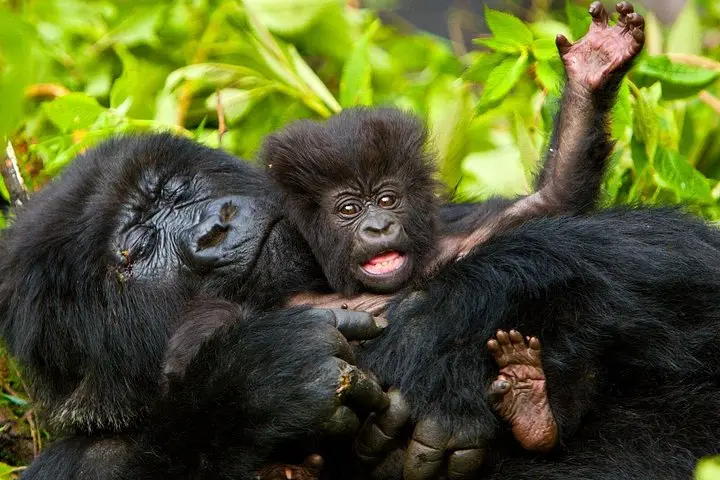
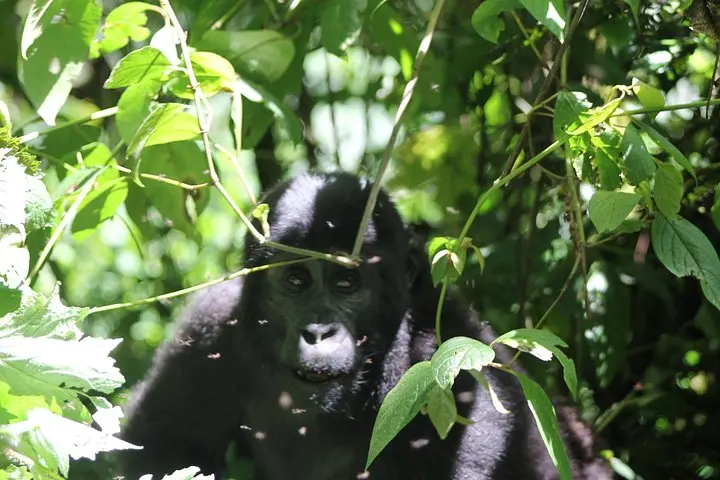
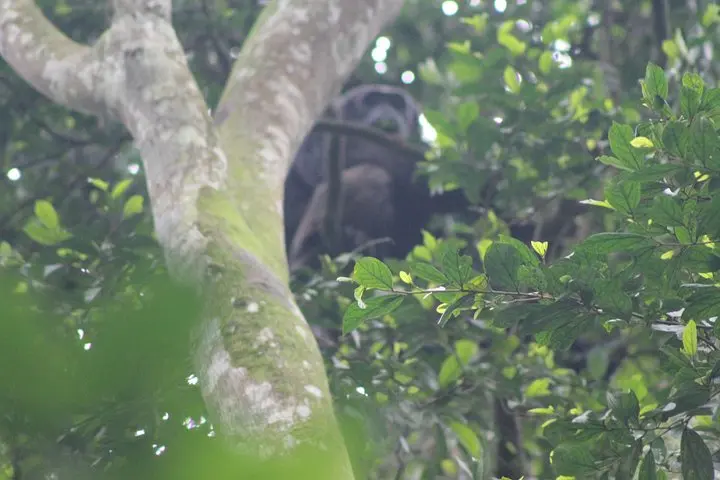
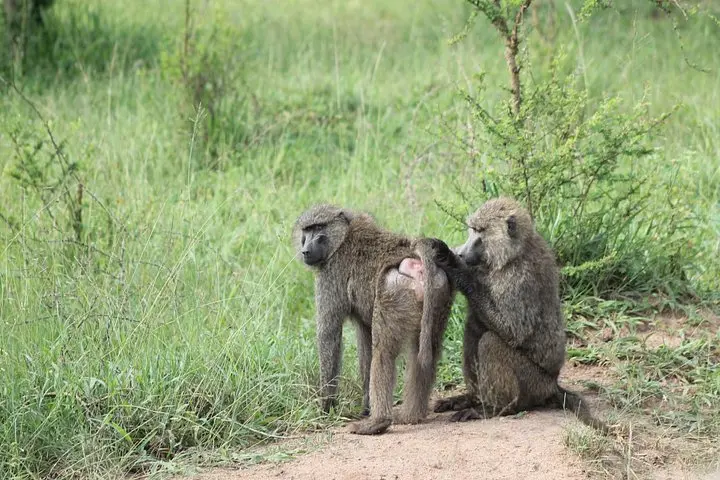
Dawn unfurls over steep ridgelines as your driver winds down from the cool highlands toward Rushaga’s forest edge. Moist air clings to your jacket; the forest ahead breathes and shifts, and guides with radio-worn experience sort permits and patch together the day’s route. Within an hour of the briefing the trail narrows, roots and buttress trees demanding attention, and every distant rustle could be a troop of golden monkeys or the soft thump of a silverback.
Dawn unfurls over steep ridgelines as your driver winds down from the cool highlands toward Rushaga’s forest edge. Moist air clings to your jacket; the forest ahead breathes and shifts, and guides with radio-worn experience sort permits and patch together the day’s route. Within an hour of the briefing the trail narrows, roots and buttress trees demanding attention, and every distant rustle could be a troop of golden monkeys or the soft thump of a silverback.
These forests are ancient—remnants of the Albertine Rift’s montane ecosystem—and carry a deep human history: local Bakiga and Batwa communities have long coexisted with these woodlands, and colonial-era boundaries later made the park a refuge for species found nowhere else. The volcanic soils around Mgahinga and the folded terraces of Bwindi give steep, wet slopes that feed clear mountain streams and the lakes below.
Practically, expect single-day treks that range from a gentle two-hour walk to a demanding all-day climb in muddy conditions. Permits are required and strictly time-limited; local guides lead every hike. Bring waterproof layers, steady boots, and a camera with a good zoom but no flash—close encounters are governed by rules to protect gorilla health.
Overnight stays in Rushaga or at Lake Mutanda place you close to the action and allow for acclimatization; travel time from Entebbe is substantial, so plan the first day as a transit and rest day. Hydrate, pack snacks, and leave electronics in protective cases—the forest is alive, curious, and uncompromising.