THE ADVENTURE COLLECTIVE® · Independent discovery and booking for outdoor travel

A compact four‑day circuit from Guiyang linking Moutai distilleries, bamboo groves, Danxia red cliffs and the ridge-top Hailongtun Castle. Expect moderate walks, multi-hour drives, and concentrated local culture in old towns.
A compact four‑day circuit from Guiyang linking Moutai distilleries, bamboo groves, Danxia red cliffs and the ridge-top Hailongtun Castle. Expect moderate walks, multi-hour drives, and concentrated local culture in old towns.
You arrive in Guiyang before dawn and the coach eases onto a provincial highway; hills of red sandstone and bamboo rise and fall like pages turned by wind. The first full day unspools in Renhuai, where the scent of fermenting sorghum hangs near the Moutai distilleries and a guided visit traces centuries of liquor-making craft.
Verified experiences and guided adventures in the surrounding area.
Operated by Discovery Tours to Guizhou Province of China · Guiyang, Guizhou
You arrive in Guiyang before dawn and the coach eases onto a provincial highway; hills of red sandstone and bamboo rise and fall like pages turned by wind. The first full day unspools in Renhuai, where the scent of fermenting sorghum hangs near the Moutai distilleries and a guided visit traces centuries of liquor-making craft.
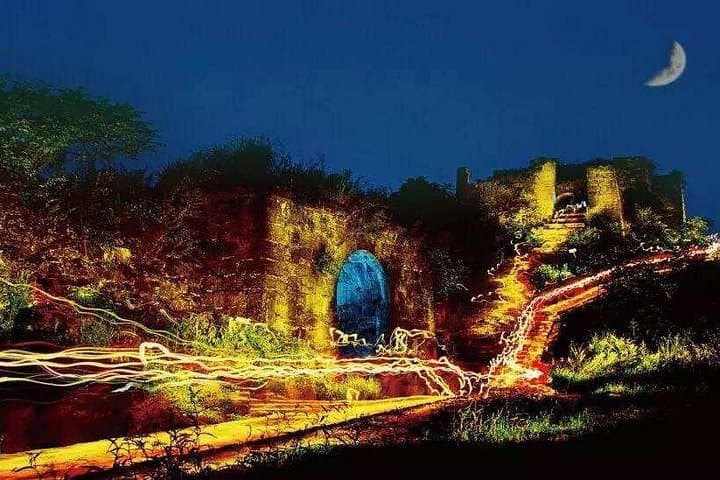
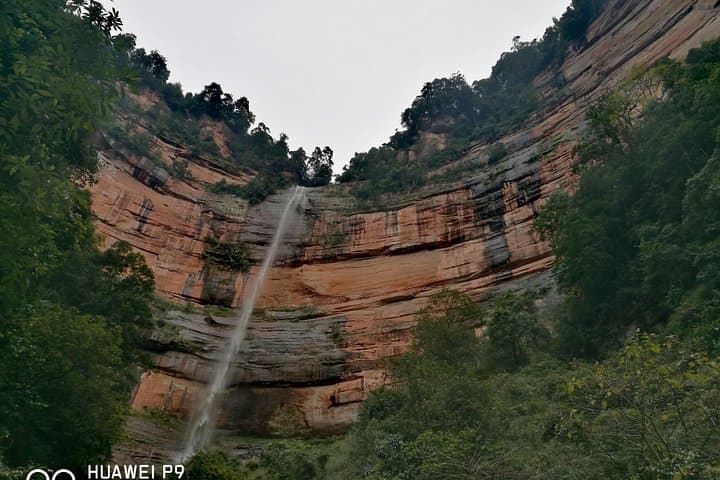
The itinerary threads natural drama and human history: bamboo forests that whisper on morning walks, the exposed red cliffs of Danxia (Foguangyan) where strata tilt and bleed color, and Sidonggou’s falls that insist you slow down. Hailongtun Castle crowns a ridge — a 13th‑century Tusi stronghold turned World Cultural Heritage site — its stone walls once a last defense against regional rivals. The geology here is dominated by red sandstone and conglomerates shaped by uplift and erosion; the result is steep valleys, narrow gorges, and stair-steep castle approaches.
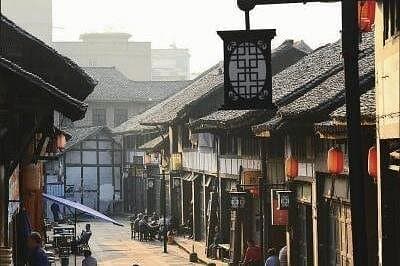
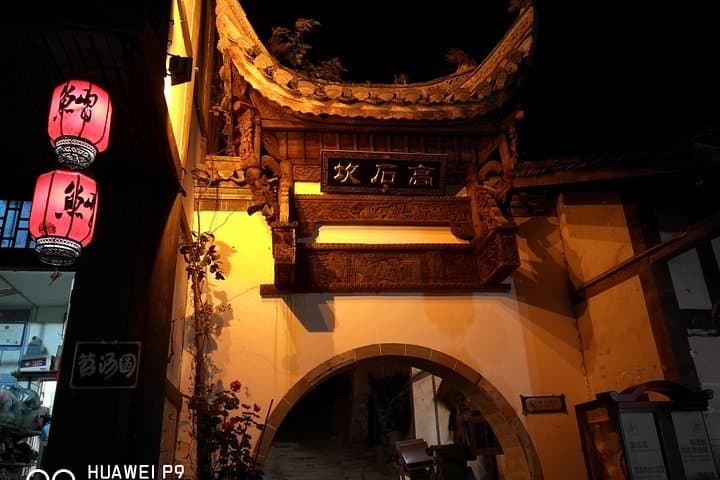
Culturally, expect small-town hospitality, simple guesthouses in old towns, and markets selling local snacks and Moutai souvenirs. Practicalities matter: expect several drives of 1.5–3.5 hours between stops, walking windows of 1.5–2.5 hours in parks, and a roughly two‑hour climb at Hailongtun with uneven steps.
Pack sturdy walking shoes, a light rain shell, and cash for village stalls. Hydrate on travel days, move at the pace of the trail, and follow your guide on distillery visits—tastings are optional and often paid locally. With moderate fitness and sensible gear, this four‑day loop delivers geology, history, and the peculiar pleasure of China’s most famous liquor paired with raw, red-land panoramas.
Tastings at the Chinese Liquor Cultural Museum or distillery are usually optional and paid locally—your guide will explain costs and rules.
Expect short to moderate walks: 1.5 hours in bamboo forest, 2–2.5 hours at Danxia sites, 1.5 hours at the waterfall valley, and about a two‑hour climb at Hailongtun.
The itinerary uses local guesthouses in old towns—simple, clean, and convenient for evening exploration, not luxury hotels.
Children can join but must be accompanied; a moderate fitness level is recommended for older adults due to stairs and uneven terrain.
Discovery Tours to Guizhou Province of China operates guided outdoor trips and adventures with an emphasis on safety, stewardship, and memorable experiences.
You arrive in Guiyang before dawn and the coach eases onto a provincial highway; hills of red sandstone and bamboo rise and fall like pages turned by wind. The first full day unspools in Renhuai, where the scent of fermenting sorghum hangs near the Moutai distilleries and a guided visit traces centuries of liquor-making craft.
You arrive in Guiyang before dawn and the coach eases onto a provincial highway; hills of red sandstone and bamboo rise and fall like pages turned by wind. The first full day unspools in Renhuai, where the scent of fermenting sorghum hangs near the Moutai distilleries and a guided visit traces centuries of liquor-making craft.
The itinerary threads natural drama and human history: bamboo forests that whisper on morning walks, the exposed red cliffs of Danxia (Foguangyan) where strata tilt and bleed color, and Sidonggou’s falls that insist you slow down. Hailongtun Castle crowns a ridge — a 13th‑century Tusi stronghold turned World Cultural Heritage site — its stone walls once a last defense against regional rivals. The geology here is dominated by red sandstone and conglomerates shaped by uplift and erosion; the result is steep valleys, narrow gorges, and stair-steep castle approaches.
Culturally, expect small-town hospitality, simple guesthouses in old towns, and markets selling local snacks and Moutai souvenirs. Practicalities matter: expect several drives of 1.5–3.5 hours between stops, walking windows of 1.5–2.5 hours in parks, and a roughly two‑hour climb at Hailongtun with uneven steps.
Pack sturdy walking shoes, a light rain shell, and cash for village stalls. Hydrate on travel days, move at the pace of the trail, and follow your guide on distillery visits—tastings are optional and often paid locally. With moderate fitness and sensible gear, this four‑day loop delivers geology, history, and the peculiar pleasure of China’s most famous liquor paired with raw, red-land panoramas.