THE ADVENTURE COLLECTIVE® · Independent discovery and booking for outdoor travel

Ride the high passes and river gorges of Ha Giang on a four-day motorbike loop that links Quan Ba, Dong Van and the Ma Pi Leng panorama. Expect winding roads, ethnic villages, and remote viewpoints with minimal cell coverage.
Ride the high passes and river gorges of Ha Giang on a four-day motorbike loop that links Quan Ba, Dong Van and the Ma Pi Leng panorama. Expect winding roads, ethnic villages, and remote viewpoints with minimal cell coverage.
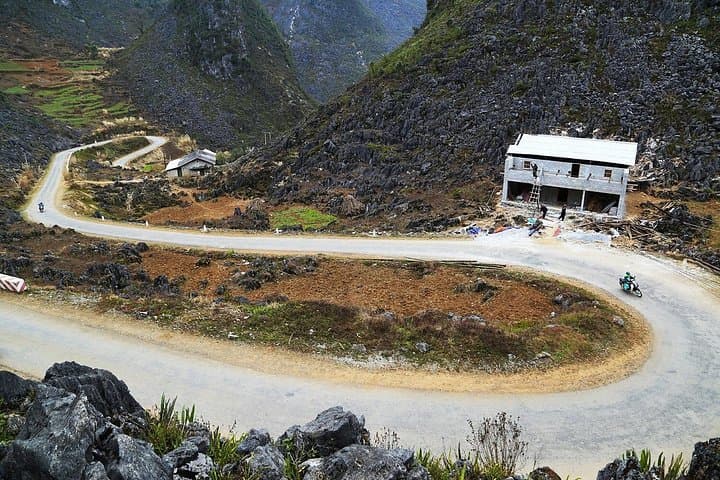
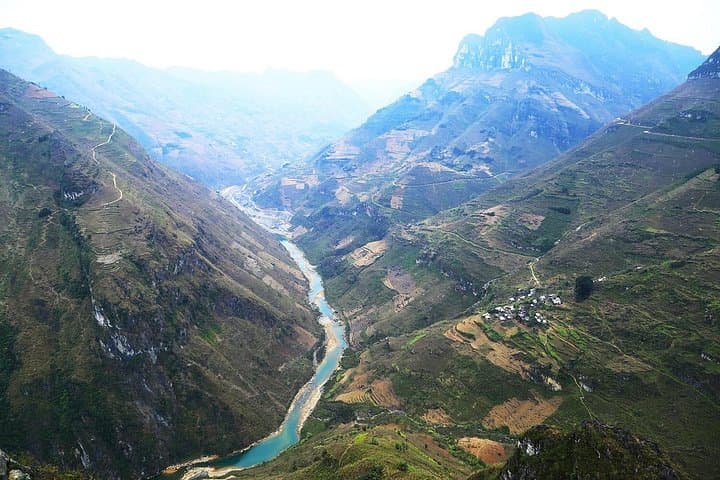
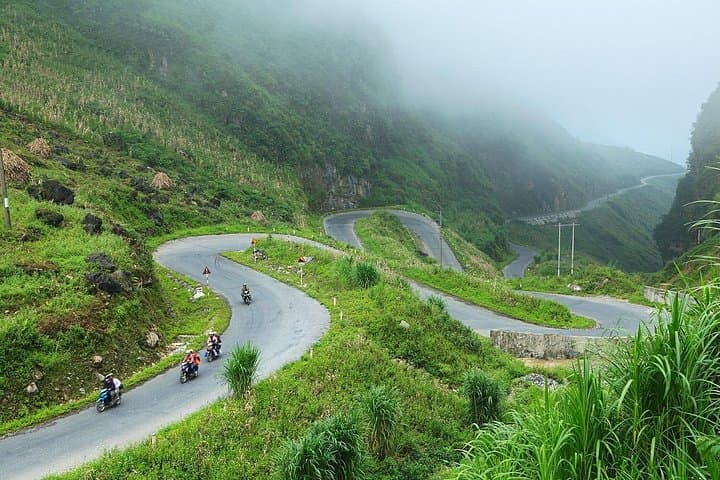
The road opens like a map unrolling: hairpin after hairpin, limestone crests catching morning light, and a cool wind that pushes through open jackets and lifts the dust from roadside terraces. Riders on this four-day loop move from the sleeper-bus drop in Ha Giang city into high passes—Quan Ba Heaven Gate, Tham Ma, and the vertiginous Ma Pi Leng—where the Nho Que River cuts a turquoise ribbon through karst cliffs.
Verified experiences and guided adventures in the surrounding area.
Operated by Asia Group Tour · Ha Giang City, Ha Giang
The road opens like a map unrolling: hairpin after hairpin, limestone crests catching morning light, and a cool wind that pushes through open jackets and lifts the dust from roadside terraces. Riders on this four-day loop move from the sleeper-bus drop in Ha Giang city into high passes—Quan Ba Heaven Gate, Tham Ma, and the vertiginous Ma Pi Leng—where the Nho Que River cuts a turquoise ribbon through karst cliffs.
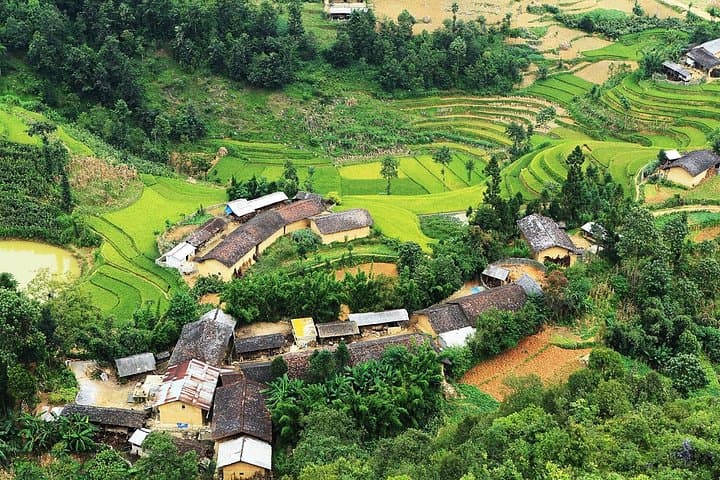
This region’s story is written in rock and people. The Dong Van Karst Plateau formed over millions of years, its exposed limestone sculpted into sharp ridges and plateaus. H'mong, Tay, Lô Lô and other ethnic groups have farmed stepped rice fields and built stilt houses here for generations; sites like Vuong’s Palace and Lung Cam village offer cultural context to the landscapes you pass.
Expect mostly paved but narrow mountain roads, frequent steep grades (passes approach 1,400–2,000 m), and sections where loose gravel or rain-softened shoulders reduce traction. Fuel stops are available in towns but can be sparse on remote stretches; mobile signal is intermittent.
Practical guidance: ride conservatively on blind corners, carry layered clothing for rapid temperature swings, and bring a charged power bank and offline maps. Tours commonly supply a motorbike and driver, local breakfasts and homestays; travel insurance that covers motorcycle travel is strongly recommended. Time your visit for clear weather—visibility makes these dizzying viewpoints worth the effort—and leave extra time to enjoy village markets and the riverbanks below Ma Pi Leng.
Many foreign riders lack a valid Vietnamese motorcycle license; the tour commonly provides a motorbike with a local driver for safety and legal compliance.
Passes reach roughly 1,400–2,000 m; most travelers do not experience severe altitude sickness but may notice shortness of breath if moving quickly—pacing and hydration help.
Signal is intermittent in gorges and high passes; major towns like Ha Giang, Dong Van and Yen Minh have coverage—download maps and save key contacts offline.
Nights alternate between simple hotels and homestays offering local meals; expect basic facilities and communal atmospheres in remote villages.
Asia Group Tour operates guided outdoor trips and adventures with an emphasis on safety, stewardship, and memorable experiences.
The road opens like a map unrolling: hairpin after hairpin, limestone crests catching morning light, and a cool wind that pushes through open jackets and lifts the dust from roadside terraces. Riders on this four-day loop move from the sleeper-bus drop in Ha Giang city into high passes—Quan Ba Heaven Gate, Tham Ma, and the vertiginous Ma Pi Leng—where the Nho Que River cuts a turquoise ribbon through karst cliffs.
The road opens like a map unrolling: hairpin after hairpin, limestone crests catching morning light, and a cool wind that pushes through open jackets and lifts the dust from roadside terraces. Riders on this four-day loop move from the sleeper-bus drop in Ha Giang city into high passes—Quan Ba Heaven Gate, Tham Ma, and the vertiginous Ma Pi Leng—where the Nho Que River cuts a turquoise ribbon through karst cliffs.
This region’s story is written in rock and people. The Dong Van Karst Plateau formed over millions of years, its exposed limestone sculpted into sharp ridges and plateaus. H'mong, Tay, Lô Lô and other ethnic groups have farmed stepped rice fields and built stilt houses here for generations; sites like Vuong’s Palace and Lung Cam village offer cultural context to the landscapes you pass.
Expect mostly paved but narrow mountain roads, frequent steep grades (passes approach 1,400–2,000 m), and sections where loose gravel or rain-softened shoulders reduce traction. Fuel stops are available in towns but can be sparse on remote stretches; mobile signal is intermittent.
Practical guidance: ride conservatively on blind corners, carry layered clothing for rapid temperature swings, and bring a charged power bank and offline maps. Tours commonly supply a motorbike and driver, local breakfasts and homestays; travel insurance that covers motorcycle travel is strongly recommended. Time your visit for clear weather—visibility makes these dizzying viewpoints worth the effort—and leave extra time to enjoy village markets and the riverbanks below Ma Pi Leng.