THE ADVENTURE COLLECTIVE® · Independent discovery and booking for outdoor travel

See Ethiopia’s imperial chapters in four days: Gondar’s castles, Lalibela’s monolithic churches, and Axum’s ancient stelae. This compact itinerary pairs short flights with walking tours across UNESCO-listed sites for a deep cultural primer.
See Ethiopia’s imperial chapters in four days: Gondar’s castles, Lalibela’s monolithic churches, and Axum’s ancient stelae. This compact itinerary pairs short flights with walking tours across UNESCO-listed sites for a deep cultural primer.
You arrive by regional flight as the highland air lifts away and the crenellated roofs of Gondar slide into view — stone walls that have watched centuries of coronations and Timkat processions. Walk through the Royal Enclosure where 17th-century castles sit solid against the skyline, then feel the cool hush of Debre Birhan Selassie’s painted ceiling watching over you.
Verified experiences and guided adventures in the surrounding area.
Operated by Golan Tours Ethiopia · Gondar, Amhara Region
You arrive by regional flight as the highland air lifts away and the crenellated roofs of Gondar slide into view — stone walls that have watched centuries of coronations and Timkat processions. Walk through the Royal Enclosure where 17th-century castles sit solid against the skyline, then feel the cool hush of Debre Birhan Selassie’s painted ceiling watching over you.
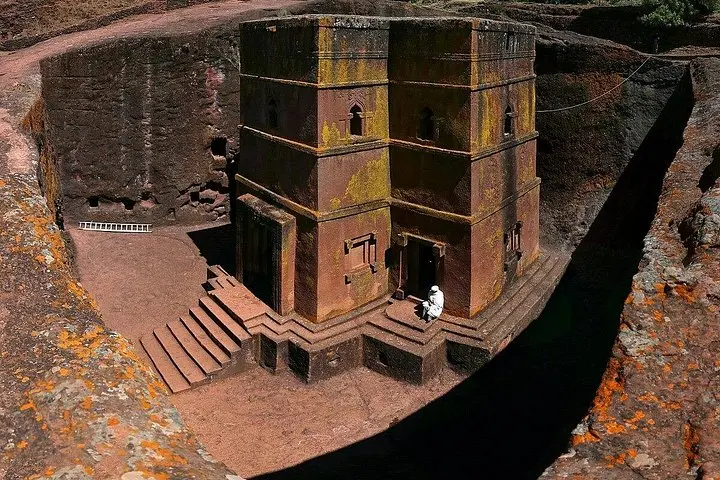
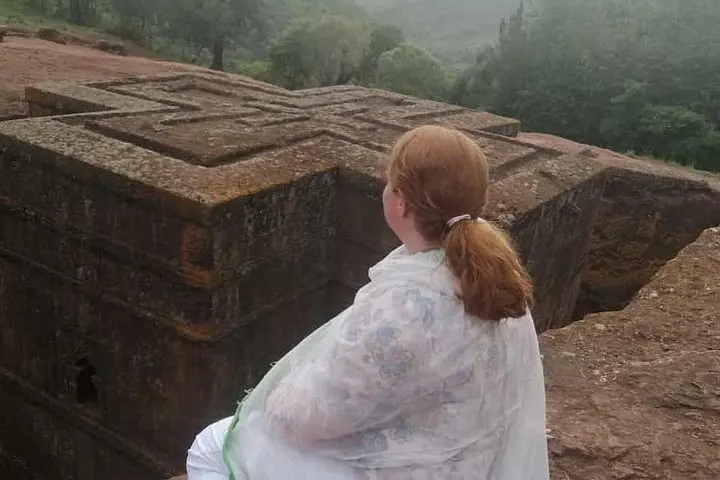
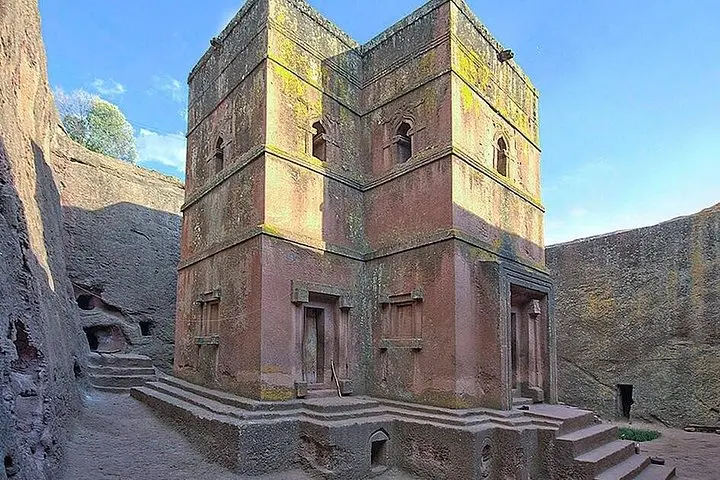
Move next to Lalibela, where churches are carved downward from the earth rather than built up — Bete Medhane Alem and the cross-shaped Bete Giorgis cut into volcanic tuff that remembers millennia of weathering. These structures reflect medieval Ethiopian engineering and a living Orthodox culture that still chants and fasts beneath the rock.
Axum opens on broad plains dotted with towering stelae and the traces of an empire that once controlled Red Sea trade. Stone inscriptions and the chapel of St. Mary of Zion trace conversion to Christianity and a lineage of kings and pilgrims.
Practical guidance: this is a compact, multi-modal itinerary — short flights and hotel transfers with moderate walking on uneven stone and carved stairways. Expect lots of steps at Lalibela and dusty paths around Axum’s stelae field. Carry a daypack with water, sun protection, and modest clothing for churches. Mornings are coolest for site visits and light is best for photography; afternoons work well for relaxed meals and market strolling. Respect local customs at religious sites — cover shoulders, remove hats in churches, and ask before photographing worshippers. With basic acclimation to altitude, this four-day loop delivers concentrated history, striking geology, and direct encounters with Ethiopia’s vibrant traditions.
Most international visitors require a visa—check Ethiopia’s e-visa system or embassy requirements well before travel and confirm passport validity.
This itinerary is rated easy: it involves short flights and walking at archaeological sites, with uneven surfaces and steps but no technical trekking.
According to the itinerary, entrance fees and twin/double accommodation in local 3–4 star hotels are included, along with breakfasts and some transfers.
Modest clothing that covers shoulders and knees is expected; men and women should avoid revealing garments and remove hats inside holy spaces.
Golan Tours Ethiopia operates guided outdoor trips and adventures with an emphasis on safety, stewardship, and memorable experiences.
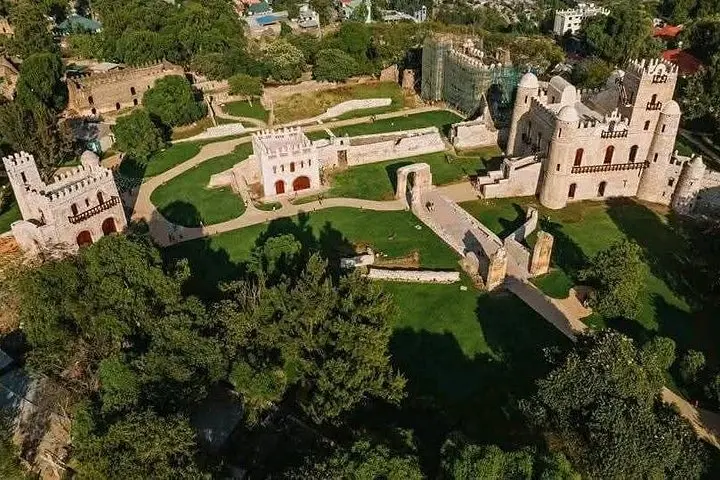
You arrive by regional flight as the highland air lifts away and the crenellated roofs of Gondar slide into view — stone walls that have watched centuries of coronations and Timkat processions. Walk through the Royal Enclosure where 17th-century castles sit solid against the skyline, then feel the cool hush of Debre Birhan Selassie’s painted ceiling watching over you.
You arrive by regional flight as the highland air lifts away and the crenellated roofs of Gondar slide into view — stone walls that have watched centuries of coronations and Timkat processions. Walk through the Royal Enclosure where 17th-century castles sit solid against the skyline, then feel the cool hush of Debre Birhan Selassie’s painted ceiling watching over you.
Move next to Lalibela, where churches are carved downward from the earth rather than built up — Bete Medhane Alem and the cross-shaped Bete Giorgis cut into volcanic tuff that remembers millennia of weathering. These structures reflect medieval Ethiopian engineering and a living Orthodox culture that still chants and fasts beneath the rock.
Axum opens on broad plains dotted with towering stelae and the traces of an empire that once controlled Red Sea trade. Stone inscriptions and the chapel of St. Mary of Zion trace conversion to Christianity and a lineage of kings and pilgrims.
Practical guidance: this is a compact, multi-modal itinerary — short flights and hotel transfers with moderate walking on uneven stone and carved stairways. Expect lots of steps at Lalibela and dusty paths around Axum’s stelae field. Carry a daypack with water, sun protection, and modest clothing for churches. Mornings are coolest for site visits and light is best for photography; afternoons work well for relaxed meals and market strolling. Respect local customs at religious sites — cover shoulders, remove hats in churches, and ask before photographing worshippers. With basic acclimation to altitude, this four-day loop delivers concentrated history, striking geology, and direct encounters with Ethiopia’s vibrant traditions.