THE ADVENTURE COLLECTIVE® · Independent discovery and booking for outdoor travel

A four-day soft trek through Hoang Su Phi’s famed terraced fields, combining 5–7 hours of daily walking with homestays among Black Hmong and Red Dao communities. Ideal for travelers seeking cultural immersion and dramatic rice-field vistas within a manageable, guided itinerary.
A four-day soft trek through Hoang Su Phi’s famed terraced fields, combining 5–7 hours of daily walking with homestays among Black Hmong and Red Dao communities. Ideal for travelers seeking cultural immersion and dramatic rice-field vistas within a manageable, guided itinerary.
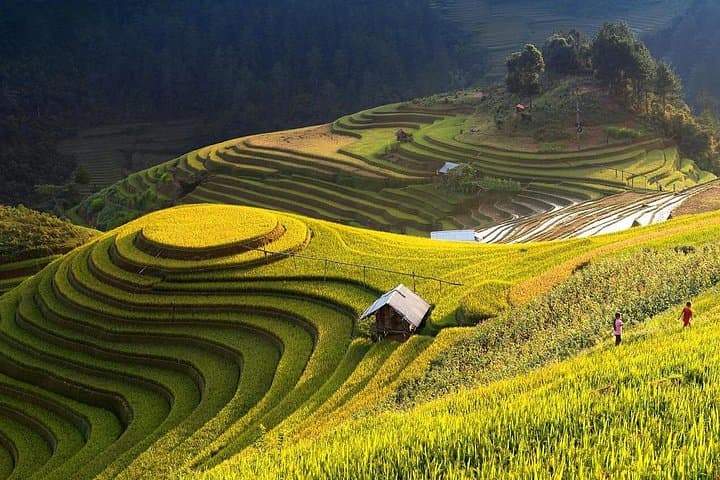
Dawn breaks over serried layers of rice terraces; mist slides down the valley like a slow river, and the trail forward climbs into a living map of agriculture and culture. On this four-day trek through Hoang Su Phi, hikers follow narrow mule paths between steep slopes, pass small hamlets of woven houses, and sleep in family-run homestays where wood smoke and herbal tea mark the evening.
Verified experiences and guided adventures in the surrounding area.
Operated by BCFamilyTour.com · Hoang Su Phi, Ha Giang Province
Dawn breaks over serried layers of rice terraces; mist slides down the valley like a slow river, and the trail forward climbs into a living map of agriculture and culture. On this four-day trek through Hoang Su Phi, hikers follow narrow mule paths between steep slopes, pass small hamlets of woven houses, and sleep in family-run homestays where wood smoke and herbal tea mark the evening.
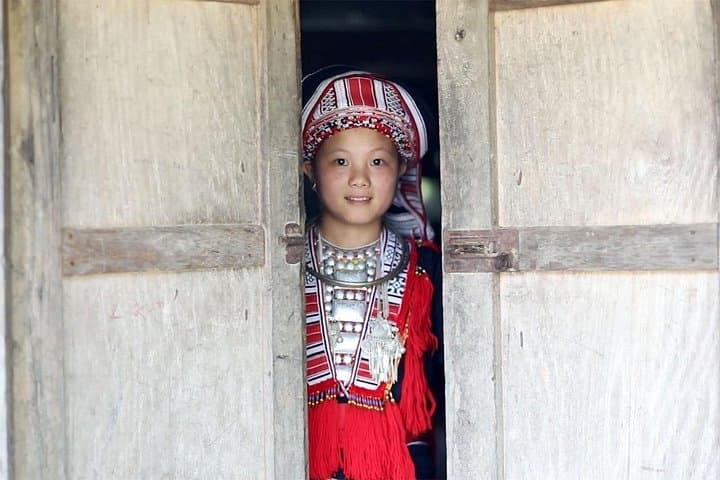
Geology here is simple and stark: folded limestone and terraced slopes carved into the mountain flanks, shaped by centuries of hand-built paddies. The area’s fields—most famously on the slopes near Nam Hong—are the product of the Black Hmong, Red Dao and other upland communities whose farming practices define the landscape.
Culturally the trip is intimate: mornings are given to walking and observing farming routines, afternoons to visiting village crafts and sipping local herbal brews, and nights to communal meals in dorm-style homestays.
Practical guidance: expect 5–7 hours of walking daily (10–18 km), with gradients commonly around 8% but occasionally steep (up to ~30%). Trails are uneven, often muddy after rain; good boots and trekking poles matter. Weather can swing from warm sun to cold fog within hours—layering is essential. Water is supplied on transport but carry a refillable bottle for hikes. Respect private plots—stay on established tracks—and ask before photographing people.
Logistics: pickup from Hanoi, private guide and vehicle transfers included, and three nights in homestays. The route balances authentic cultural exchange with manageable walking for fit travelers ready to trade comfort for connection to place.
You should be comfortable hiking 5–7 hours a day over uneven terrain and short steep sections; regular walkers and moderately fit travelers will manage well.
Accommodations are family-run homestays, usually dorm-style rooms with basic bedding and shared facilities—meals are local and communal.
Elevations average around 700–800 m—altitude sickness is uncommon, but cold nights and rapid weather shifts are typical, so pack warm layers.
Guides and homestays can often accommodate common dietary needs if informed in advance—note restrictions when booking.
BCFamilyTour.com operates guided outdoor trips and adventures with an emphasis on safety, stewardship, and memorable experiences.
Dawn breaks over serried layers of rice terraces; mist slides down the valley like a slow river, and the trail forward climbs into a living map of agriculture and culture. On this four-day trek through Hoang Su Phi, hikers follow narrow mule paths between steep slopes, pass small hamlets of woven houses, and sleep in family-run homestays where wood smoke and herbal tea mark the evening.
Dawn breaks over serried layers of rice terraces; mist slides down the valley like a slow river, and the trail forward climbs into a living map of agriculture and culture. On this four-day trek through Hoang Su Phi, hikers follow narrow mule paths between steep slopes, pass small hamlets of woven houses, and sleep in family-run homestays where wood smoke and herbal tea mark the evening.
Geology here is simple and stark: folded limestone and terraced slopes carved into the mountain flanks, shaped by centuries of hand-built paddies. The area’s fields—most famously on the slopes near Nam Hong—are the product of the Black Hmong, Red Dao and other upland communities whose farming practices define the landscape.
Culturally the trip is intimate: mornings are given to walking and observing farming routines, afternoons to visiting village crafts and sipping local herbal brews, and nights to communal meals in dorm-style homestays.
Practical guidance: expect 5–7 hours of walking daily (10–18 km), with gradients commonly around 8% but occasionally steep (up to ~30%). Trails are uneven, often muddy after rain; good boots and trekking poles matter. Weather can swing from warm sun to cold fog within hours—layering is essential. Water is supplied on transport but carry a refillable bottle for hikes. Respect private plots—stay on established tracks—and ask before photographing people.
Logistics: pickup from Hanoi, private guide and vehicle transfers included, and three nights in homestays. The route balances authentic cultural exchange with manageable walking for fit travelers ready to trade comfort for connection to place.